The best custodian appreciation gifts are useful to the employee, accessible on the shift they actually work, appropriate to their preferences, and clearly separate from tools or protective equipment the employer should already provide.
Practical options include insulated drinkware, lunch coolers, durable everyday bags, comfortable, employee-selected apparel, portable charging accessories, food or dining options, wellness and home-comfort gifts, and curated, recipient-choice rewards. Pair the gift with specific personal recognition, and ensure day, evening, and overnight employees receive an equivalent experience.
That last point matters. The U.S. Bureau of Labor Statistics notes that janitors and building cleaners spend much of the workday walking, standing, or bending, and that schedules may include evenings, nights, weekends, and holidays. Many office cleaners work in the evening because buildings are cleaned when they are empty.
The goal, therefore, should not be to find the product that looks most “custodial.”
It should be to choose something that improves the recipient’s day or life.
A practical appreciation gift should benefit the employee, not simply make it easier for the organization to get more work from them.
When Is National Custodial Workers Recognition Day?
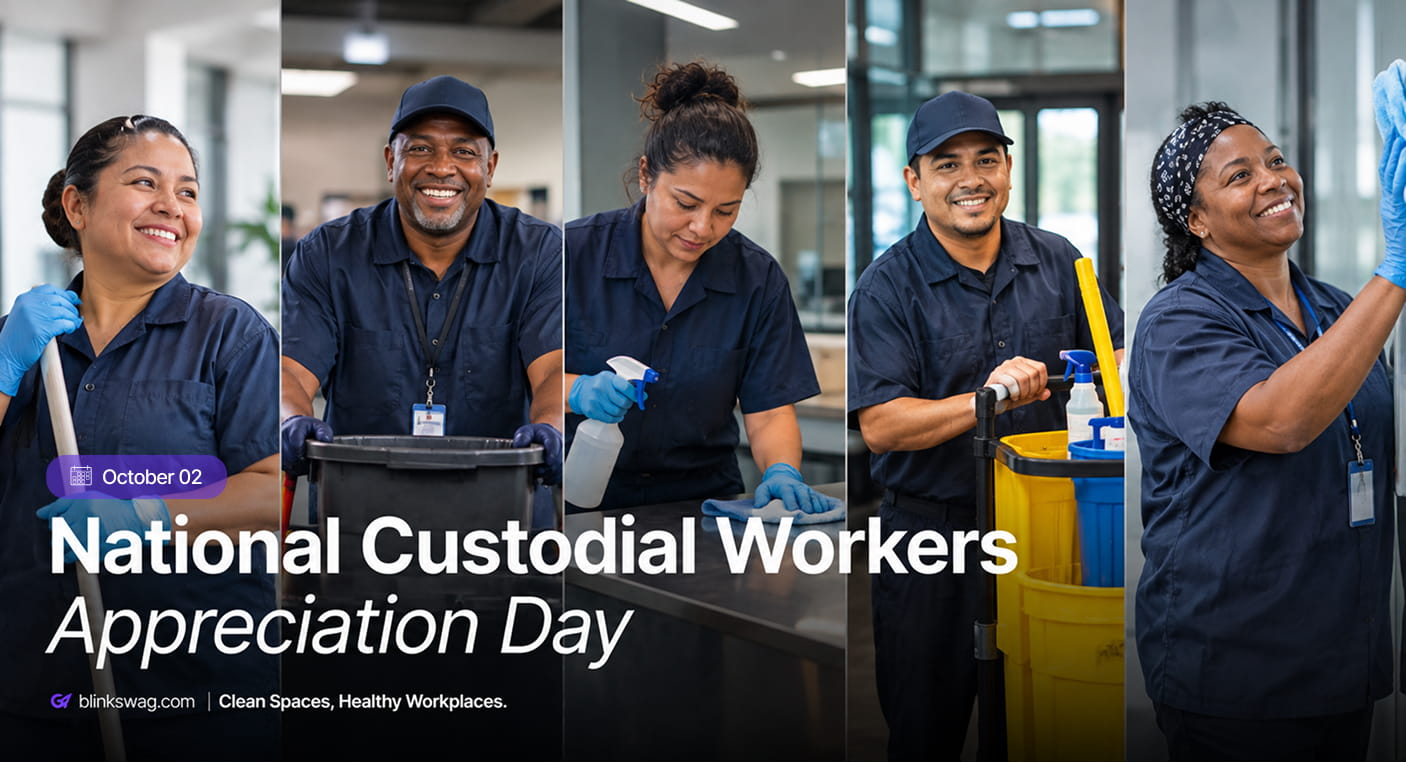
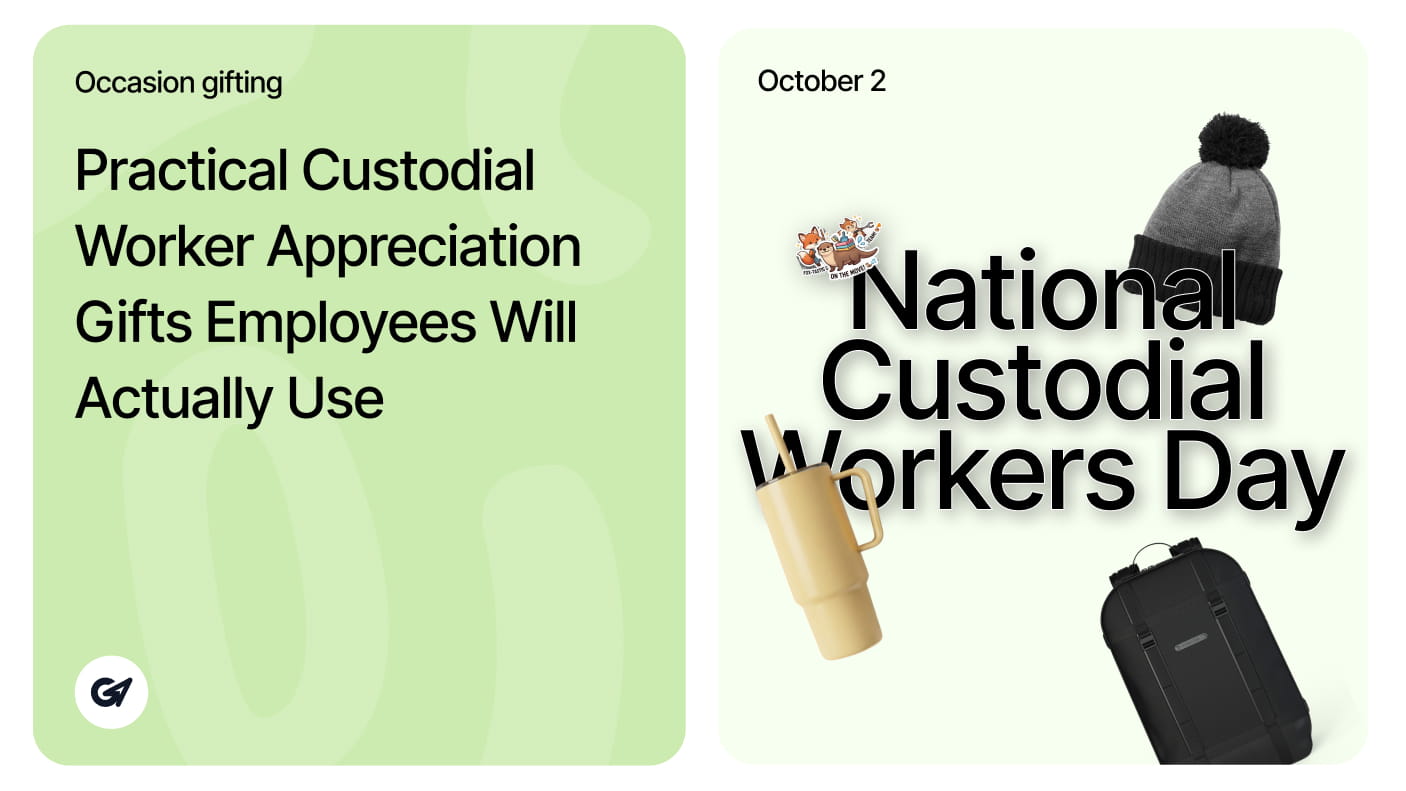
National Custodial Workers Recognition Day is observed on October 2. School districts and education organizations across the United States list the observance on October 2, including for 2026.
The occasion is also commonly referred to informally as Custodian Appreciation Day.
October 2 provides a useful moment for focused recognition, but appreciation need not be limited to a single annual event. The same principles can be used for project completion, service anniversaries, holidays, employee-recognition programs, or a simple thank-you after an unusually demanding period.
What Makes a Good Custodian Appreciation Gift?
A good custodian gift should pass a more demanding test than:
Could someone use this while working?
A cleaning tool can be useful.
Protective equipment can be useful.
A replacement work light can be useful.
But those items may primarily solve an operational need for the organization.
A better appreciation question is:
Would the employee still see value in this if they were not performing custodial work at that moment?
That is why practical categories such as drinkware, lunch gear, bags, apparel, personal technology, food, wellness items, or recipient-selected gifts often make stronger appreciation options than job equipment.
For larger teams, choice becomes increasingly useful because HR, Facilities, or Operations may not know each employee’s clothing size, food preferences, hobbies, commute, household needs, or preferred products.
The Custodian Usefulness Test
Use these five questions before approving a gift.
| Test | Question to ask |
| Personal usefulness | Would the employee reasonably use this beyond the appreciation event itself? |
| Choice fit | Does the gift avoid unnecessary guessing about size, diet, taste, hobbies, or lifestyle? |
| Shift fit | Can employees on day, evening, and overnight shifts receive an equivalent experience? |
| Responsibility fit | Is this truly an appreciation gift rather than equipment or protection that the employer should already supply? |
| Recognition fit | Does the gift feel intentionally selected for the employee rather than like leftover merchandise or a generic promotional giveaway? |
A gift does not need to be expensive to pass this test.
A modest, useful, personally presented, and fairly distributed item can convey more appreciation than a more expensive program that misses half the team.
Do Not Confuse Appreciation Gifts With Required Work Equipment
This is one of the most important distinctions in custodial gifting.
Search results frequently recommend work gloves, tool organizers, safety items, and other equipment because those products appear “practical.”
But practical for the job and appropriate as a gift are not necessarily the same thing.
Required PPE Should Be Evaluated Separately
Under OSHA’s general PPE standard, protective equipment used to comply with the standard generally must be provided by the employer at no cost to employees, subject to specified exceptions. Those exceptions include certain non-specialty safety-toe footwear, qualifying prescription safety eyewear, everyday clothing, and ordinary weather-protection items under defined circumstances.
That means an employer should be cautious about presenting required safety equipment as the employee’s appreciation gift.
If the employee needs an item to perform required work safely, first ask whether it belongs in the safety or operating budget before placing it in the appropriation budget.
Should You Give Work Gloves as a Custodian Appreciation Gift?
Work gloves can be an appreciation gift when they are genuinely optional rather than PPE that the employer is required to provide.
If gloves are needed to protect against workplace hazards or meet applicable safety requirements, address that responsibility separately from recognition.
The broader rule is simple:
Required equipment should not substitute for appreciation.
Work Tool vs. Work-Adjacent Gift vs. Personal Gift
A useful way to think about products is to ask who receives most of the value.
Work Tool
A work tool primarily enables the employee to perform assigned duties.
Examples can include required cleaning equipment, safety items, employer-owned carts, or job-specific supplies.
Replacing inadequate equipment may improve working conditions, and that is worthwhile. But it should not automatically replace personal recognition.
Work-Adjacent Gift
A work-adjacent gift is useful during or around the workday without being necessary to perform the job.
Examples include:
- an insulated bottle;
- a quality lunch cooler;
- an everyday backpack;
- a portable charger;
- comfortable personal apparel.
These products can remain useful during commuting, travel, errands, or personal time.
Personal-Use Gift
A personal-use gift is intended primarily for the recipient rather than for their occupational role.
Examples include:
- food or dining choices;
- home-comfort products;
- personal electronics;
- wellness items;
- apparel chosen by the employee;
- a curated reward chosen by the recipient.
The most job-specific product is therefore not necessarily the most thoughtful gift.
Practical Custodian Appreciation Gifts by Use Case
There is no universal number-one product for every custodian.
The stronger approach is to match the gift type to the recipient’s needs.
Insulated Drinkware for Everyday Use
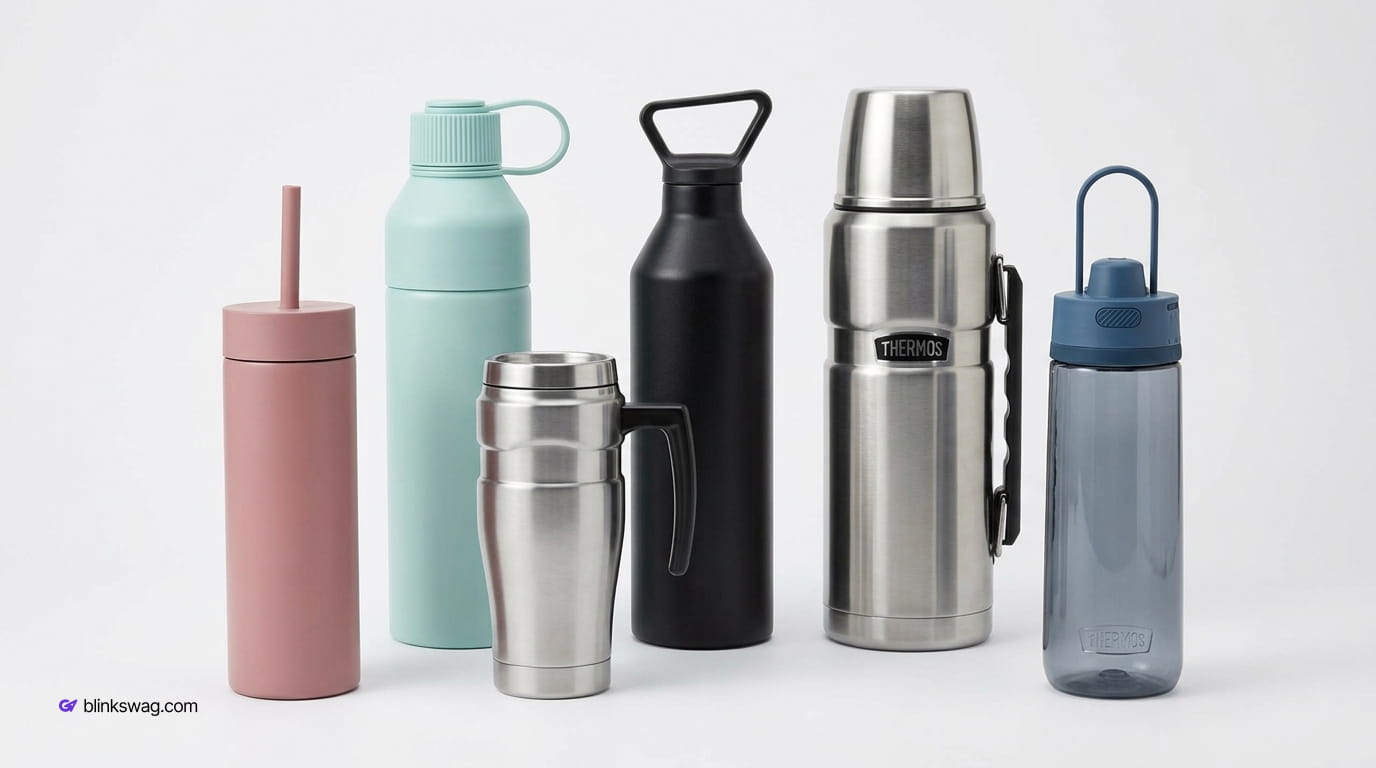
Insulated bottles and tumblers are strong, practical gifts because they can be used at work, during commuting, on errands, or at home.
They also avoid many of the sizing problems associated with apparel.
Useful options can include:
- insulated tumblers;
- handled travel cups;
- stainless-steel bottles;
- larger hydration bottles;
- compact commuter drinkware.
Why it works
It offers everyday utility without implying:
“Here is another item to help you clean.”
What to consider
Not everyone wants the same size, lid, straw, handle, brand, or color.
For a larger team, offering two or three approved options can be more useful than forcing one product on everyone.
Lunch Coolers and Meal Gear
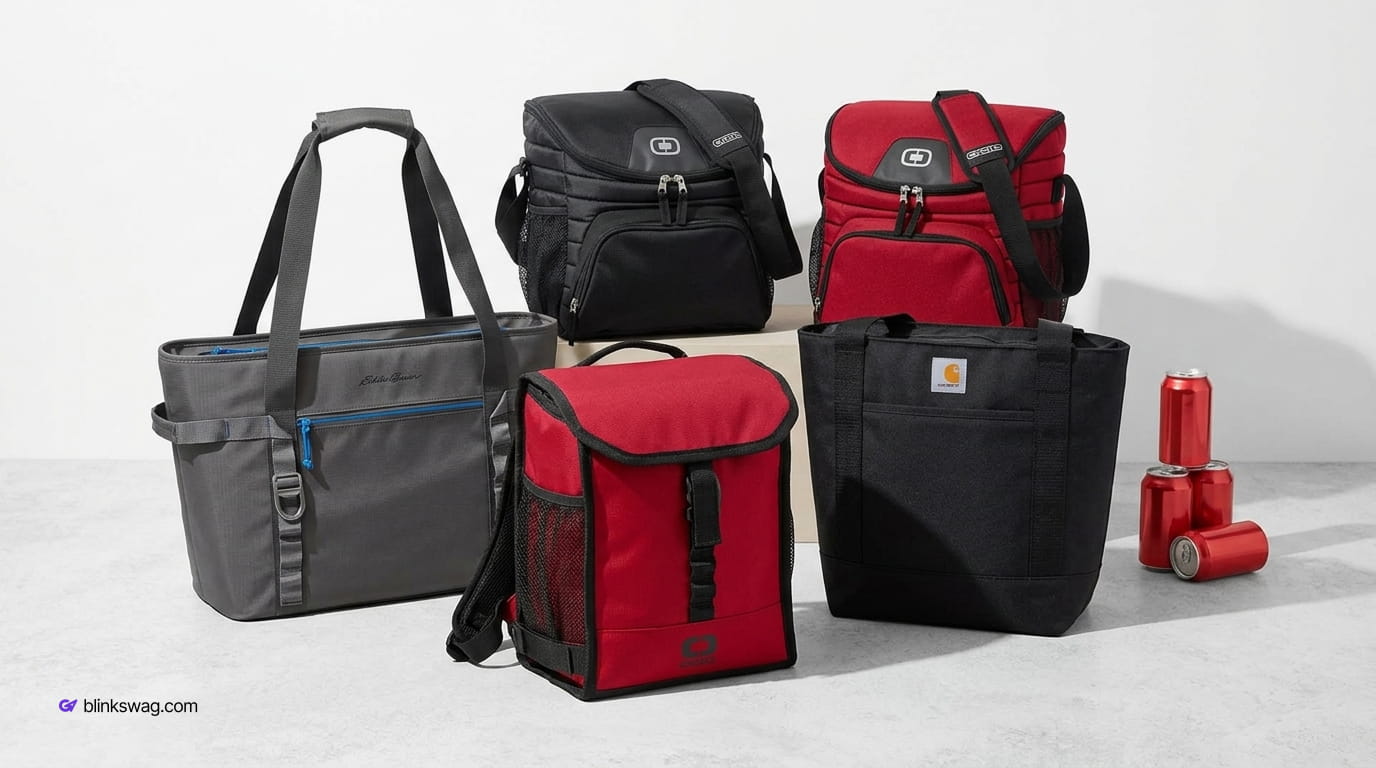
An insulated lunch cooler can be useful for employees who bring food to work, particularly on evening or overnight schedules when normal dining options may be limited.
Potential options include:
- compact lunch coolers;
- insulated lunch totes;
- reusable food containers;
- premium lunch boxes;
- reusable cutlery or drinkware combinations.
Why it works
The product can benefit the employee both at work and outside of work.
What to consider
Do not assume everyone brings lunch from home.
If recipient preferences are unknown, allow a lunch item to be one of several choices across categories.
Durable Everyday Bags
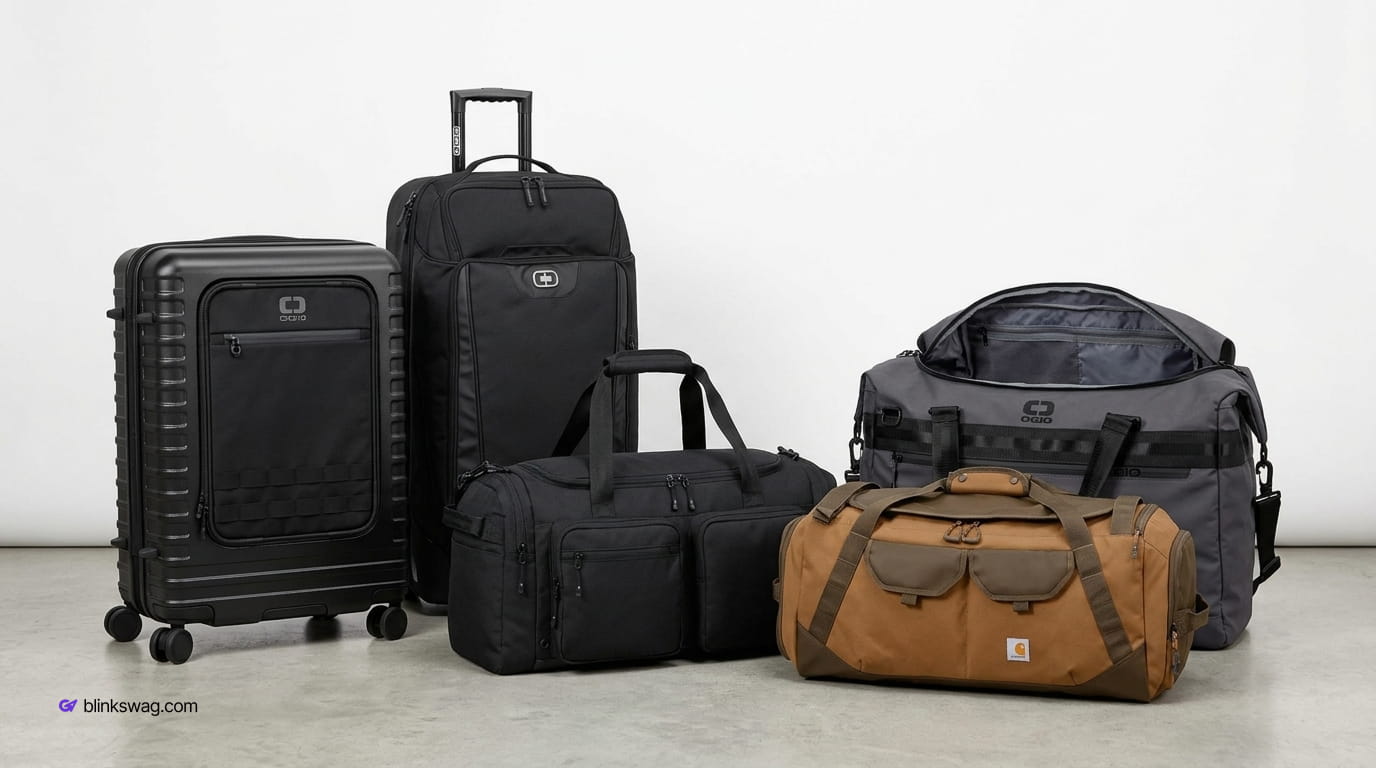
A backpack or useful everyday bag can work well because it is not limited to custodial work.
Employees can use it for:
- commuting;
- errands;
- gym gear;
- personal electronics;
- family activities;
- travel.
Choose durability and practical organization over products designed to look unnecessarily “industrial.”
A custodian does not automatically want a tool bag because of their occupation.
Practical Personal Technology
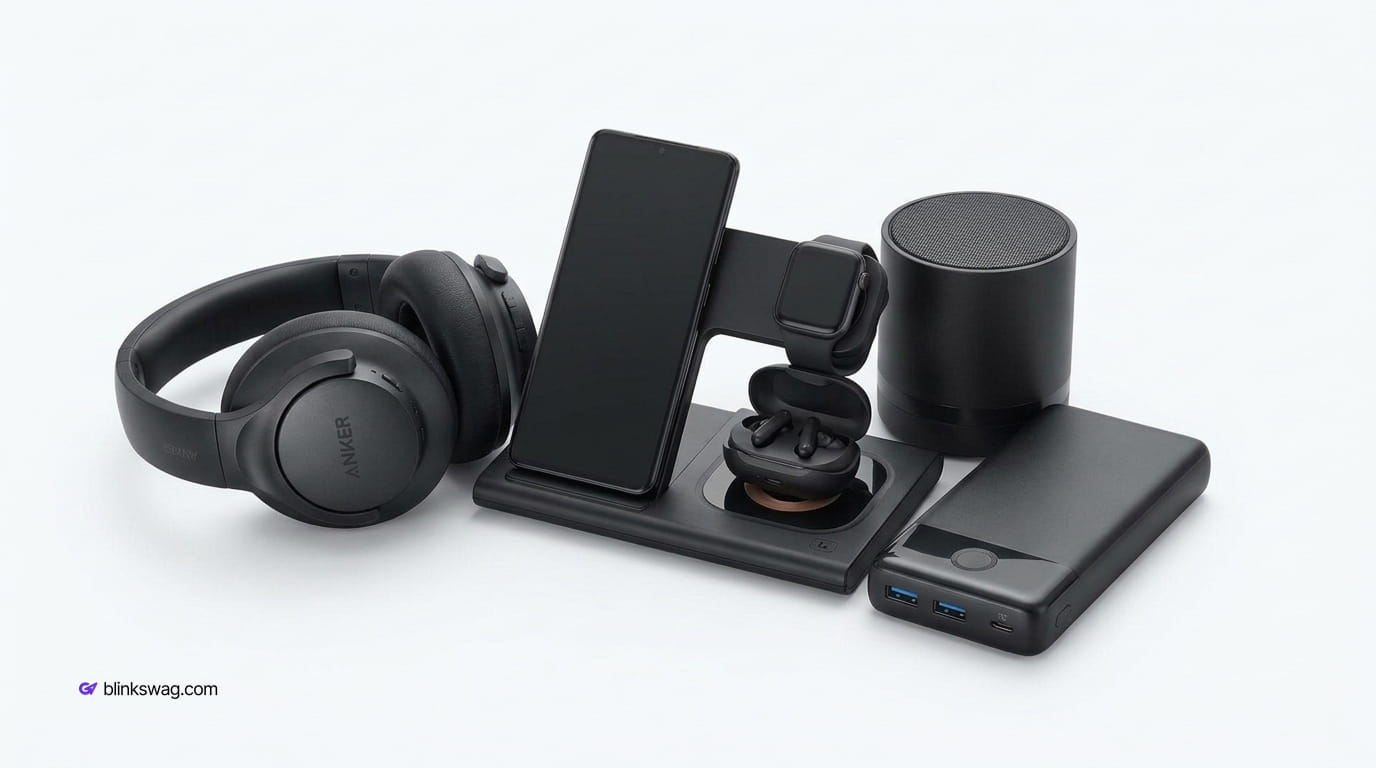
Technology gifts can move an appreciation program away from traditional promotional merchandise while retaining strong everyday utility.
Potential options include:
- power banks;
- charging cables;
- multi-device charging accessories;
- compact speakers;
- earbuds where budget allows.
Why it works
A portable charger is useful because phones need charging, not because the recipient is a custodian.
That is exactly the type of job-independent utility this article recommends.
What to consider
Check the connector and device compatibility before selecting a universal item.
Comfortable Apparel, With Employee-Selected Sizes
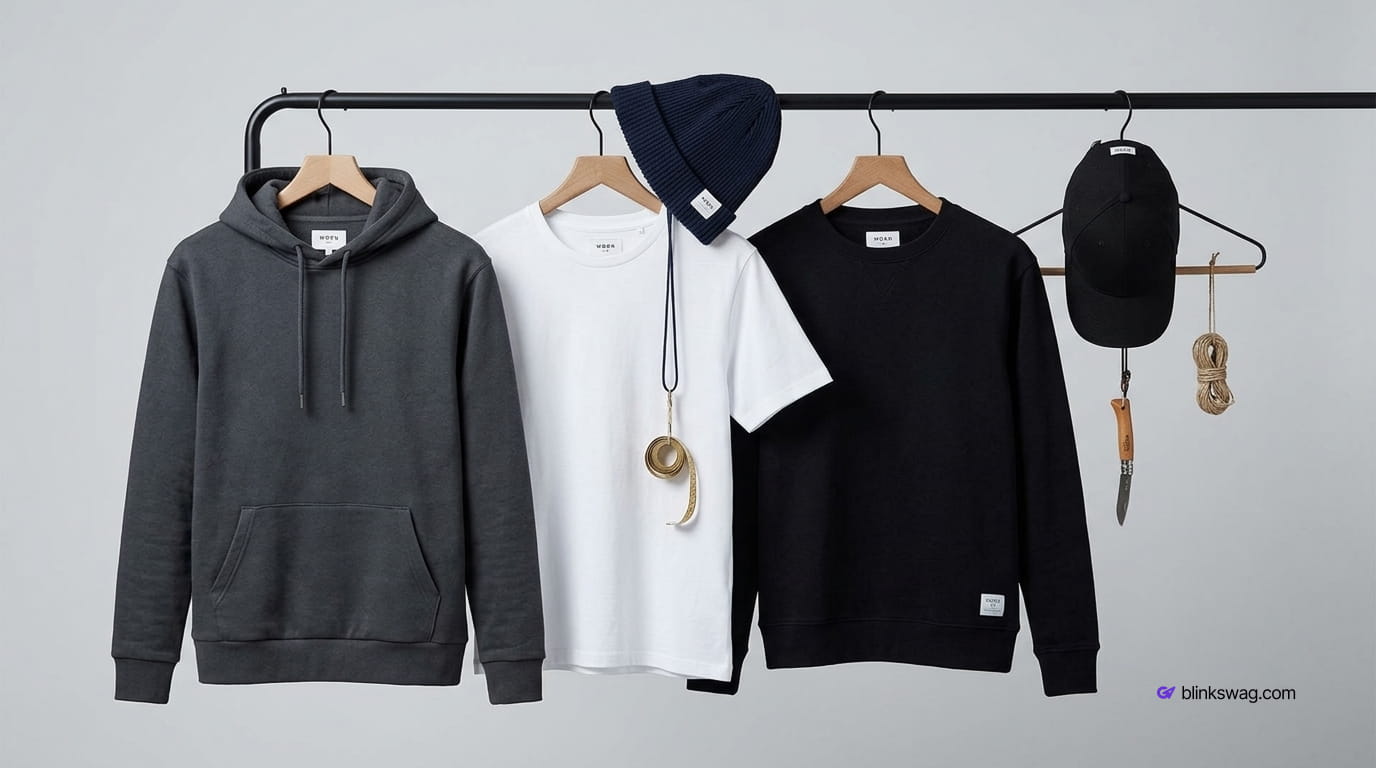
Apparel can be a strong employee gift when the recipient actually wants it.
A quality hoodie, jacket, sweatshirt, polo, or casual outerwear item can be useful well beyond the appreciation event.
The biggest problem is usually not the concept.
It is a guess.
Fit, size, climate, color, fabric, branding, and personal style all affect whether the employee will wear the product.
Better approach
Allow employees to choose:
- approved style;
- size;
- color where appropriate.
This preserves company standards while reducing sizing errors and unwanted inventory.
Comfort and Wellness Gifts for Off-Shift Use
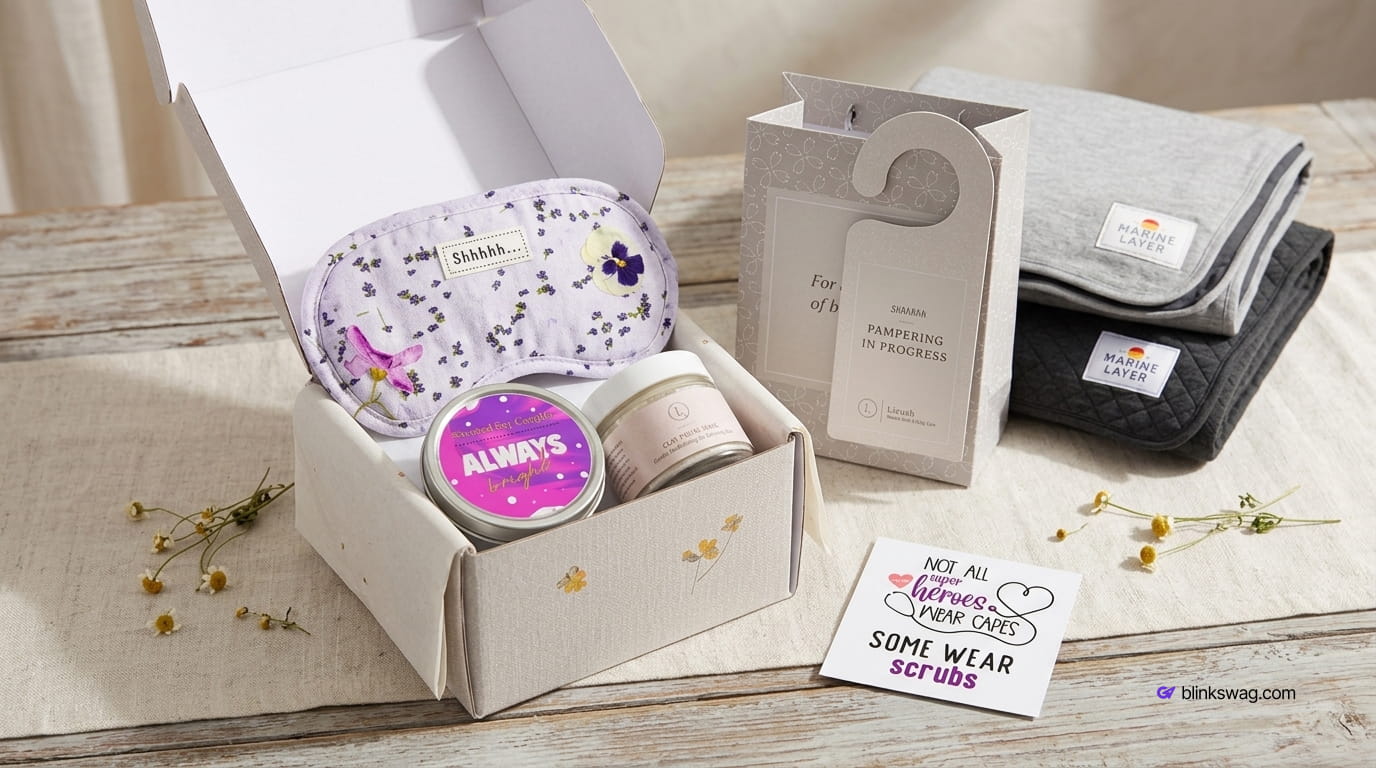
Not every practical gift needs to be useful during a work shift.
In fact, off-shift gifts reinforce an important principle:
Appreciation is for the person, not just the worker.
Depending on recipient preferences and company policy, options can include:
- blankets;
- home-comfort items;
- spa or self-care gifts;
- relaxation-oriented gift boxes;
- premium food and beverage gifts;
- personal lifestyle products.
Avoid making medical claims, such as that a product will treat occupational pain or injuries, unless they are properly substantiated.
BlinkSwag’s current employee-gifting program includes wellness and self-care, gourmet gifting, premium drinkware, apparel, gift cards, branded merchandise, and employee recipient choice.
Explore BlinkSwag Employee Gifting↗
Food and Treats

Food can be a great way to show appreciation when the employer knows the team well enough to select something people can actually enjoy.
Community discussions among custodians mention restaurant cards, snacks, meals, candy, baked goods, coffee, and similar gestures in a positive light. Other comments also highlight food allergies and the frustration of receiving items that do not match personal preferences.
Practical rule
Food works when employees can actually eat it, and every shift has comparable access to it.
Consider:
- dietary restrictions;
- allergies;
- religious dietary practices;
- vegetarian or vegan preferences;
- shift timing;
- refrigeration or storage.
A meal that works perfectly for the day shift may be meaningless to an employee arriving six hours later.
Choice-Based Rewards When Preferences Vary
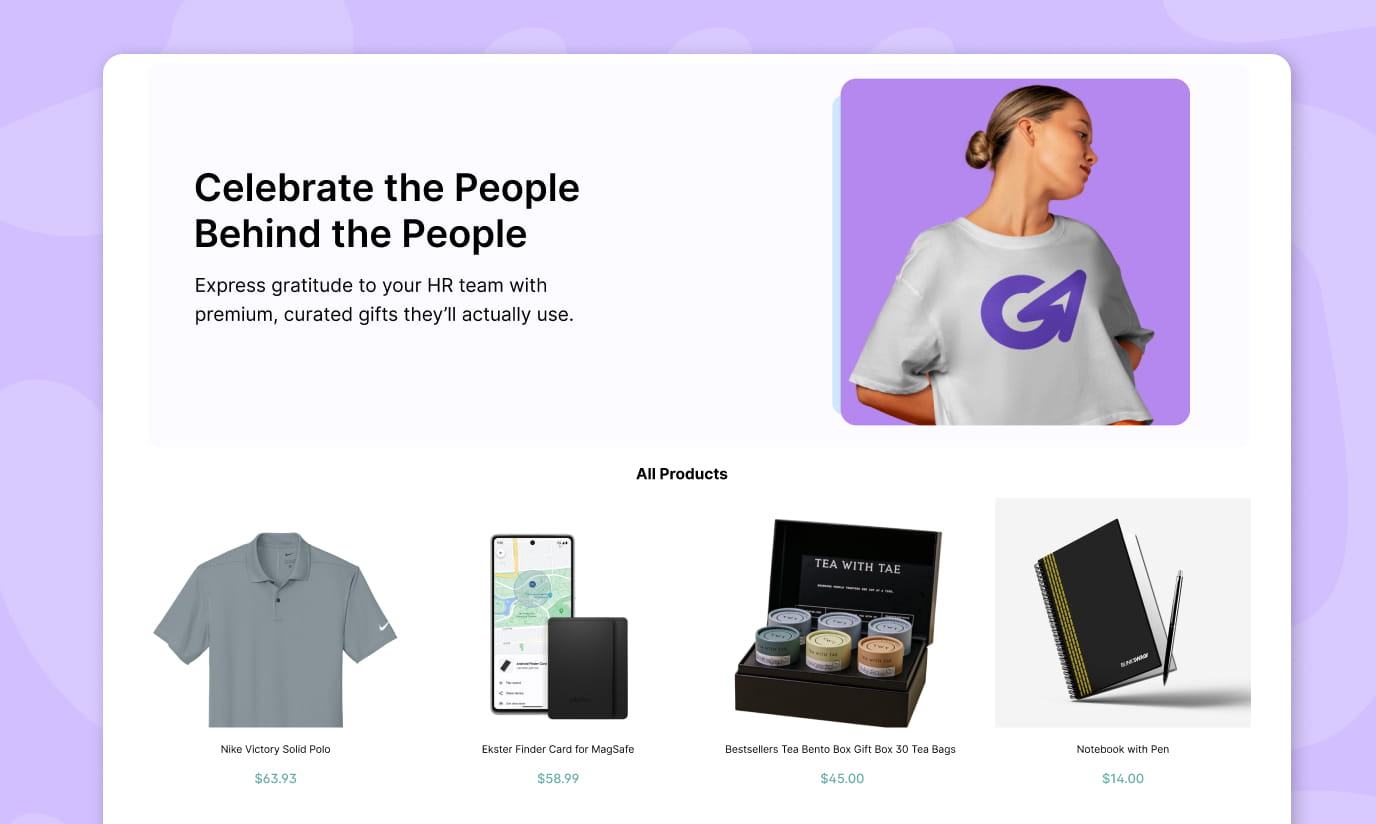
Recipient choice is especially useful when the team differs in:
- apparel size;
- age;
- food preference;
- technology use;
- commute;
- household needs;
- schedule;
- personal style.
The organization can define:
budget + approved assortment
while allowing each employee to choose within those boundaries.
That does not require an unlimited marketplace.
A curated collection can still maintain:
- quality standards;
- branding;
- product appropriateness;
- budget control.
BlinkSwag’s Reward Links allow organizations to create recipient-specific links, establish a budget for each reward, generate links in bulk, customize redemption pages, and offer a curated selection of physical gifts, company products, or gift cards.
What Custodians in Community Discussions Say They Appreciate
Community discussions are not representative of survey research.
They are useful for understanding experiences and preferences that corporate gift guides can miss.
Recent and historical discussions in the custodial community repeatedly mention gift cards, food, handwritten notes, personal acknowledgment, and being included rather than receiving leftovers from another event.
Three themes stand out.
Appreciation Should Feel Intentional
One custodian discussion specifically warns that even a small gift works better when it does not appear to be an afterthought, with users contrasting deliberate gifts against leftover food placed in a staff room.
That gives us a useful rule:
Intentional delivery can matter as much as the product itself.
A modest gift personally presented to an employee can communicate more recognition than expensive merchandise distributed without explanation.
People Value Being Seen
Recent community posts describe how simple recognition, shared food, cards, and personally relevant gifts can create a meaningful response.
This is why a physical product should not carry the entire burden of appreciation.
The message matters too.
Appreciation Should Not Create More Work
Community discussions also contain a recurring custodial joke with a serious point underneath it:
The best appreciation would sometimes be having less unnecessary mess to clean.
That does not mean making a room cleaner should replace recognition.
It means organizations should pair the gift with behavior that demonstrates respect.
If a company hosts a custodian appreciation lunch, for example:
Do not leave the entire event for the custodial team to clean afterward.
Do Not Plan Appreciation Only for the Day Shift
Shift inclusion is one of the strongest ways to distinguish a thoughtful program from a generic one.
The Bureau of Labor Statistics confirms that evening work is common in the occupation and that 24-hour facilities may require night, weekend, and holiday shifts.
Recent custodian discussions also describe second-shift workers missing food, celebrations, and recognition that occurred earlier in the day. One 2026 discussion specifically describes daytime appreciation events that leave second-shift custodians with cleanup rather than participation.
That leads to the Shift Equity Rule:
Recognition is not equally delivered unless every shift can actually receive it.
What Gifts Work for Night-Shift Custodians?

The product does not necessarily need to change.
The distribution model does.
Options can include:
- individually assigned gifts;
- recipient-choice links accessible outside office hours;
- separate meals for each shift;
- packaged food reserved for evening employees;
- Manager presentation during the employee’s actual shift;
- direct shipping where appropriate.
Equal recognition does not require identical logistics.
It requires comparable access, value, and intent.
Should You Give Gift Cards to Custodial Employees?
Gift cards can be an excellent choice when flexibility is the priority, but U.S. employers should account for payroll and tax treatment.
Community feedback supports their practical appeal because recipients can select what they actually need.
The tax treatment is a separate issue.
The IRS’s 2026 Employer’s Tax Guide to Fringe Benefits states that cash and cash-equivalent fringe benefits, including gift cards and gift certificates, are not excludable as de minimis fringe benefits merely because their value is small.
So the recommendation is not:
Avoid gift cards.
It is:
Use gift cards when they solve the recipient-choice problem, but account for the applicable payroll and tax treatment.
Are Physical Gifts Automatically Tax-Free?
No.
Choosing merchandise instead of a gift card does not automatically make a benefit tax-free.
IRS rules contain several fringe-benefit categories and exclusions, with conditions that may depend on the value, frequency, purpose, and type of property. Employers should confirm the appropriate treatment with their payroll, tax, or benefits advisers rather than assuming that every physical appreciation gift is excluded from wages.
This article provides planning guidance, not tax advice.
Gift Card vs. Curated Product Choice
Gift cards are one way to avoid guessing.
They are not the only way.
A company can instead provide:
a fixed budget + an approved merchandise assortment + recipient choice
This can work particularly well when the employer wants more control over:
- brand;
- product quality;
- presentation;
- gift category;
- spending.
For example, an employee could choose among:
a quality tumbler, backpack, hoodie, portable charger, wellness gift, or another approved item.
The company maintains program control without pretending it knows every recipient’s preferences.
Should Custodian Appreciation Gifts Be Branded?
They can be, but branding should remain secondary to product usefulness.
A tasteful company mark on a quality tumbler, jacket, or backpack can work well.
A large logo on a low-quality item can make the same program feel more like marketing inventory than employee recognition.
The correct hierarchy is:
useful product → appropriate recipient fit → tasteful decoration
not:
logo → cheapest available product
Should Custodian Gifts Say “Custodian” on Them?
They can, but they do not have to.
Role-specific language may work well on:
- appreciation cards;
- certificates;
- small keepsakes;
- special-event messaging.
For durable merchandise, employees may prefer a useful product without having their occupation printed prominently across it.
The safer principle is:
Recognize the contribution without turning the employee’s job title into the entire gift.
What Should You Write in a Custodian Appreciation Card?
Use a simple structure:
specific contribution + observed impact + sincere thanks
Instead of:
“Thanks for all you do.”
try:
“Thank you for keeping the west wing ready every morning during our renovation. Your extra effort made a difficult month easier for everyone using the building.”
The message works because it proves that someone noticed something specific.
Community discussions among custodians also show that cards, personal notes, and direct acknowledgment can matter alongside tangible gifts.
What Custodian Appreciation Gifts Should You Avoid?
Several gift ideas appear practical until they are viewed through the Custodian Usefulness Test.
Required PPE Presented as Recognition
If the item is required to protect the employee from workplace hazards, first evaluate the employer’s responsibility under applicable safety rules.
Required protection should not become the entire appreciation program.
Tools the Organization Should Already Supply
Replacing broken or inadequate equipment may improve working conditions.
That is good management.
It is not automatically personal recognition.
Low-Quality Novelty Merchandise
A product does not become meaningful because it says “Best Custodian Ever.”
If it has little practical value and will likely live in a drawer, its low purchase price does not make it an efficient appreciation gift.
Apparel With Guessed Sizes
Incorrect sizing creates waste and awkward exchanges.
If apparel is offered, collect actual sizing or let employees select their own approved item.
Food That Excludes Employees
Be careful with dietary restrictions, allergies, religious requirements, and individual preferences.
Gifts Available Only During Management Hours
A recognition program should work for employees on the schedules the organization actually assigns.
Leftovers From Another Event
Leftovers communicate:
This was not really planned for you.
Recent community discussion from second-shift custodians illustrates how strongly this can undermine recognition.
Excessive Redemption Friction
Recipient choice is not helpful if employees have to navigate a confusing, time-consuming process to receive the gift.
The program controls can be sophisticated behind the scenes.
The employee experience should remain simple.
Is Food Enough for Custodian Appreciation?
It can be part of a meaningful program, but it should not automatically be treated as the complete program.
Food works particularly well when:
- Every shift participates;
- dietary needs are considered;
- The team is personally acknowledged;
- The event does not create extra cleanup for the same people being recognized.
For some organizations, a meal plus a thoughtful card may be entirely appropriate.
Others may pair the meal with a small physical gift or a recipient-choice reward.
The better question is:
Did employees experience the program as intentional recognition?
How Much Should You Spend on Custodian Appreciation Gifts?
There is no reliable, universal benchmark for how much every employer should spend on a custodian appreciation gift.
The appropriate budget depends on:
- number of recipients;
- recognition purpose;
- program frequency;
- available resources;
- product type;
- personalization;
- delivery requirements.
A useful planning model is:
Total Appreciation Program Cost =
Eligible Recipients × Recipient Gift Allocation
+ Personalization
+ Packaging
+ Fulfillment or Shipping
+ Event Costs
The distinction between product price and total program cost matters.
A $40 gift shipped individually to 100 employees is not necessarily a $4,000 program once packaging, personalization, distribution, and other costs are included.
Low-Cost Appreciation
A smaller budget can still work when the execution is intentional.
Options can include:
- personal cards;
- quality snacks;
- useful small accessories;
- modest choice-based rewards;
- simple everyday items.
The mistake is not having a modest budget.
The mistake is spending that budget on something recipients do not want simply because it can carry a logo.
Mid-Range Appreciation
A larger allocation can support:
- insulated drinkware;
- lunch gear;
- everyday bags;
- apparel selected by the employee;
- practical technology;
- curated lifestyle gifts.
At this level, preference matters even more because an unwanted $50 product multiplied across a large team creates significant waste.
Premium Recognition
For service milestones, exceptional contribution, or more substantial employee programs, organizations might consider:
- premium outerwear;
- higher-end drinkware;
- recognized consumer brands;
- electronics;
- premium bags;
- home and wellness products;
- broader recipient-choice collections.
A higher budget should improve recipient value, not merely increase the amount of branding or the number of products inside a box.
How to Recognize an Entire Custodial Team
Team-wide recognition requires more operational planning than gifting one individual.
A facility may include:
- full-time employees;
- part-time employees;
- multiple shifts;
- supervisors;
- temporary employees;
- third-party contractors;
- Employees are assigned across locations.
Start with an accurate recipient roster.
Confirm Who Should Receive the Gift
One overlooked employee can undermine an otherwise successful program.
Before ordering, confirm:
- recipient name;
- location;
- shift;
- employment category;
- preferred delivery method where appropriate.
If a third-party service provider employs custodial workers, confirm who is responsible for recognition distribution, recipient information, payroll, or tax handling, where applicable, and any restrictions in the service agreement before collecting personal data or sending rewards directly.
Give Every Shift an Equivalent Experience
Equivalent recognition does not mean every employee must attend the same event.
The company could provide:
- breakfast for an early team;
- an evening meal for the second shift;
- individually packed gifts for overnight employees;
- Recipient-choice rewards are accessible asynchronously.
Equal recognition does not require identical logistics.
It requires comparable access and intent.
What Can Schools Give Custodians for Appreciation?
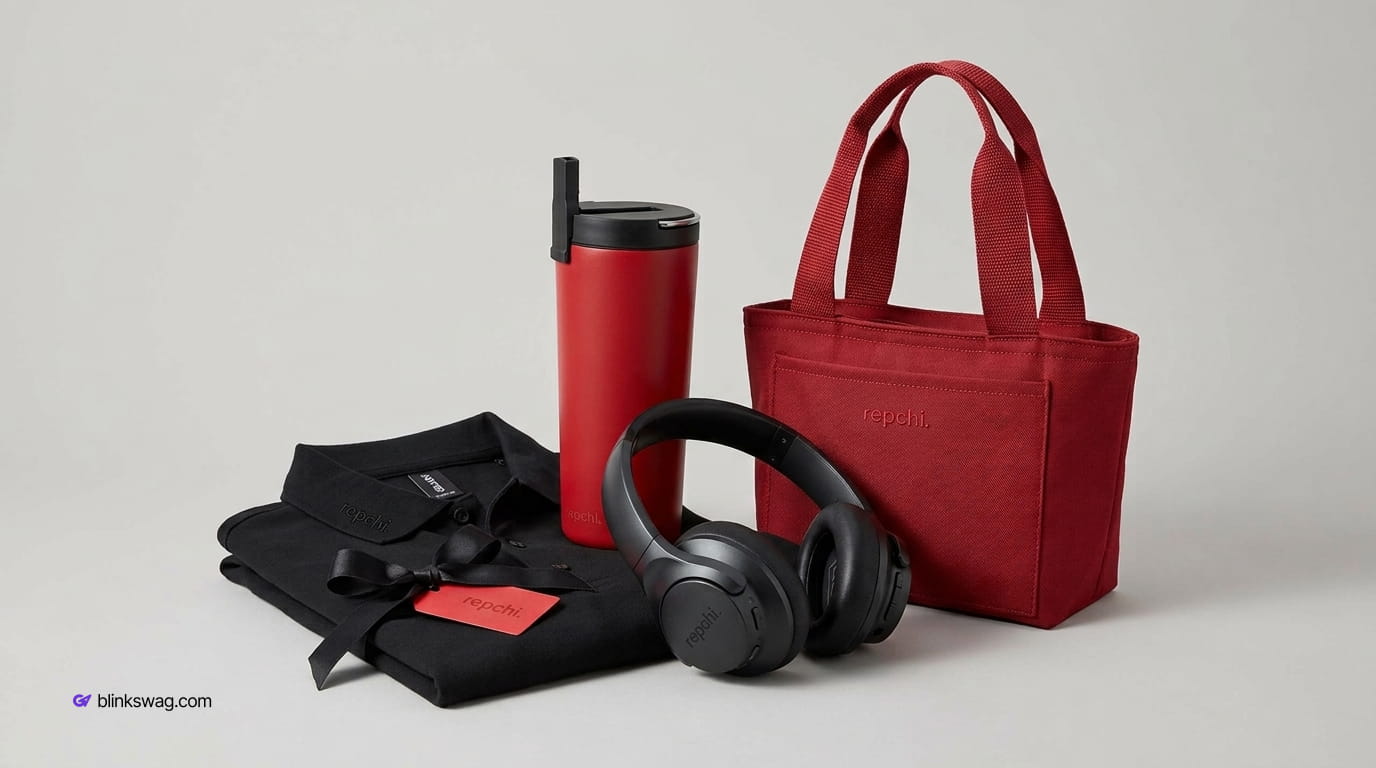
School-focused searches represent an important part of this topic.
Practical options can include:
- insulated drinkware;
- lunch gear;
- durable bags;
- employee-selected apparel;
- personal tech;
- food or dining choices;
- curated recipient-choice gifts;
- handwritten messages from students or staff.
The physical gift can be paired with something only the school community can provide:
Specific recognition of the work the employee performs in that building.
Schools should also avoid turning the appreciation event into another cleaning assignment.
If students or staff organize the celebration, cleaning the room afterward is itself a simple demonstration of respect.
How Do You Recognize Custodians in Hospitals, Offices, and 24-Hour Facilities?
The gifts themselves do not need to change dramatically.
The delivery model does.
Hospitals, hotels, warehouses, manufacturing facilities, campuses, and other 24-hour environments can include multiple teams across the clock.
Asynchronous recognition can therefore work better than one midday event.
Options include:
- separate recognition during each shift;
- individually assigned gifts;
- direct delivery;
- choice-based redemption;
- multiple meal windows.
Design the recognition around the workforce’s schedule rather than asking employees to fit management’s availability.
How BlinkSwag Can Support Custodial Employee Gifting
BlinkSwag’s employee-gifting program supports both a curated gift for everyone and employee-recipient choice, as well as branded merchandise, premium drinkware, apparel, wellness products, gourmet gifting, gift cards, custom kits, individual delivery, and program-level budget controls.
For custodial teams, the most relevant model may be:
define the audience → set the budget → curate useful options → let employees choose where appropriate → fulfill each selection
That is particularly useful when the workforce includes different sizes, preferences, schedules, or locations.
For recipient-specific programs, BlinkSwag Reward Links allow organizations to assign a budget to each recipient while providing a curated redemption experience.
When One Gift for Everyone Still Makes Sense
Recipient choice is useful but not required for every program.
One shared gift can work well when the product has:
- broad utility;
- minimal sizing requirements;
- dependable quality;
- appropriate branding;
- simple distribution.
Drinkware is a good example.
The key is to choose one product that genuinely works for a broad audience, not simply because ordering a single SKU is easier for the buyer.
Frequently Asked Questions
What Is a Good Appreciation Gift for a Custodian?
A good custodian appreciation gift is personally useful, easy to receive on the employee’s actual shift, and separate from required work equipment.
Strong categories include drinkware, lunch gear, bags, apparel in the correct size, practical technology, food or dining options, wellness items, and curated recipient-selected rewards.
What Practical Gifts Do Custodians Use?
There is no single product that every employee will want.
Products with broad personal utility tend to reduce guesswork, including insulated drinkware, bags, lunch gear, comfortable apparel, charging accessories, food choices, wellness gifts, and recipient-selected rewards.
When Is Custodian Appreciation Day?
National Custodial Workers Recognition Day is observed on October 2.
Appreciation can also be given throughout the year for milestones, project completion, holidays, or individual contributions.
Should You Give Work Gloves as a Custodian Appreciation Gift?
Only when the gloves are genuinely optional rather than required protective equipment.
If gloves are needed for workplace safety or compliance, employers should first evaluate applicable PPE requirements and keep required protection separate from employee recognition.
Are Gift Cards Good Custodian Appreciation Gifts?
Yes. They provide strong recipient choice.
For U.S. employee programs, employers should also account for payroll and tax treatment, as cash-equivalent gift cards generally cannot be excluded as de minimis fringe benefits merely because of their small value.
Is a Physical Gift Automatically Tax-Free?
No.
Tax treatment depends on the type of benefit and applicable IRS rules. Employers should confirm treatment with their payroll or tax advisers rather than assuming that merchandise is automatically excluded.
Should Custodian Gifts Have a Company Logo?
They can, but branding should remain secondary to product quality and usefulness.
Tasteful branding can work well on a quality product. Excessive branding can make appreciation feel like promotional merchandise.
What Should You Write in a Custodian Appreciation Card?
Use:
specific contribution + observed impact + sincere thanks
For example:
“Thank you for keeping our building ready each morning during the renovation. Your extra effort made the project easier for everyone working here.”
Is a Pizza Party Enough?
It can be part of a meaningful program if all shifts are included, dietary requirements are considered, and the team receives genuine personal recognition.
Do not leave the custodial team to clean up the appreciation event by themselves.
How Much Should You Spend?
There is no universal custodian-gifting benchmark.
Choose a recipient allocation based on the recognition purpose, team size, available budget, and total delivered program cost.
What Is the Best Option When You Do Not Know Employee Preferences?
A curated recipient-choice program is one of the strongest options.
Define the budget and approved assortment, then allow each employee to select the product that best fits their needs.
The Bottom Line
The strongest custodian appreciation program does not begin with:
What custodian-themed product should we order?
It begins with four questions:
Is it useful to the person?
Is it genuinely a gift rather than required equipment?
Can the employee choose when preferences matter?
Can every shift receive an equivalent quality of recognition?
Keep required safety equipment and basic job tools separate from the rest.
Choose products that employees can use beyond one event.
Offer controlled choice when size, diet, lifestyle, or personal preferences vary.
Design the distribution around employees’ actual work schedules.
And pair the gift with a specific message that shows someone noticed the contribution being recognized.
The best gift does not need to look like a custodian gift.
It needs to make the employee receiving it feel that their work was noticed, their time was respected, and the recognition was genuinely intended for them.