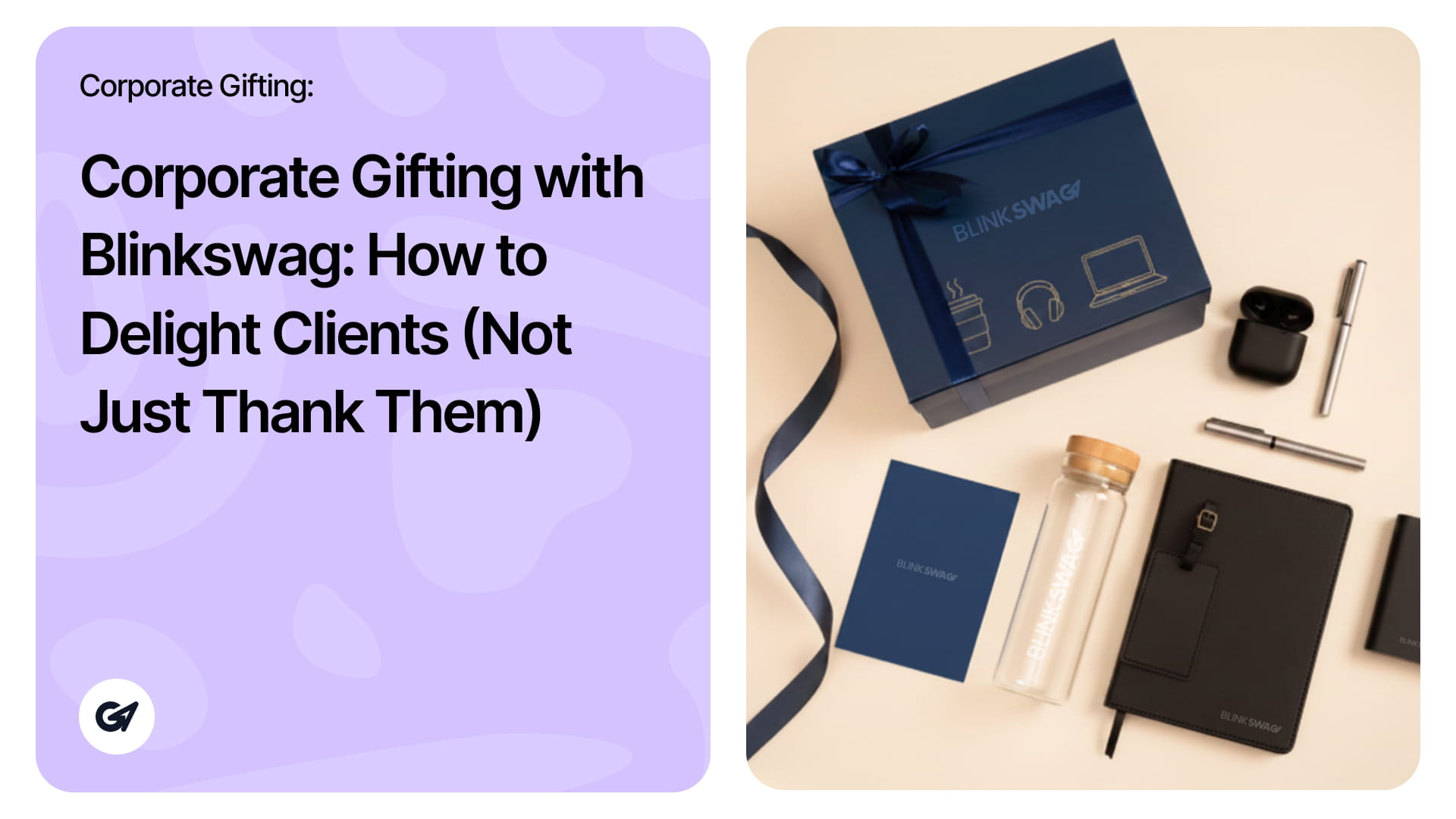
The Problem With Most Corporate Gifting
Your client has just renewed a six-figure contract. You want to celebrate the moment, show genuine appreciation, and stay top of mind for the next expansion.
So you do what everyone does. You send a generic gift basket with your logo printed on everything.
Three weeks later, you hop on a video call, and there it is in the background. Shrink wrapped. Unopened. Sitting on a random shelf.
That is not a relationship-building moment. That is a missed opportunity in a bow.
Most companies do not have a gifting problem. They have a visibility and intention problem:
- Gifts are picked in a rush at the end of the year
- Everyone gets roughly the same thing.
- No one tracks what actually moves the relationship.
- Compliance and gift limits are often an afterthought, so teams tend to stay extra conservative.
Additionally, the timing is predictable. December, holidays, “Season’s greetings”, a box that looks just like ten others they received that week.
You get a polite “Thank you, we appreciate it.”
What you actually need is:
- A client who talks about your team internally
- A relationship that feels human, not transactional
- A reason to renew, expand, or send a referral
This is where strategic gifting comes in. Not “what gift should we send this year”, but:
How do we design a client delight system that supports retention, referrals, and renewals all year?
BlinkSwag sits exactly in that gap. We do not just ship boxes. We help teams build a repeatable way to:
- Hit the right clients
- At the right moments
- With the right level of personalization
- Inside clear budgets and compliance rules
The first step is understanding the impact levels of different types of gifts.
The Client Delight Spectrum: From Expected To Shareable
Not all gifts are equal. Some check a box. Others create stories that clients remember and actually talk about.
We refer to this as the Client Delight Spectrum. It has four levels.
Level 1: Expected (Transactional)
This is where most corporate gifting lives.
Typical examples:
- Generic holiday gift baskets
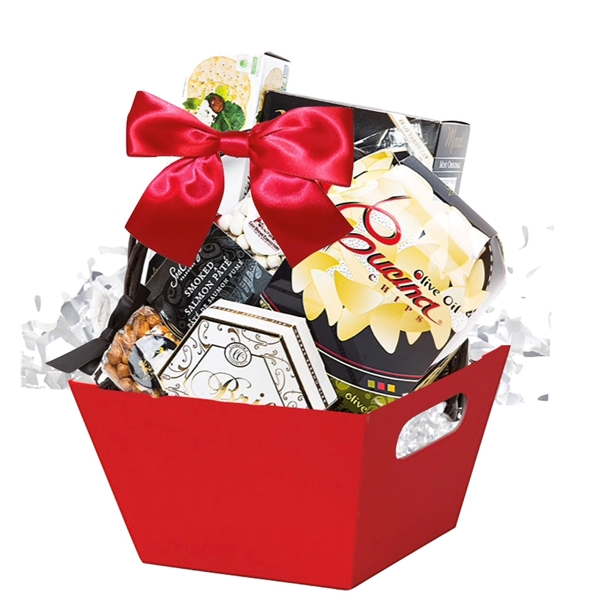
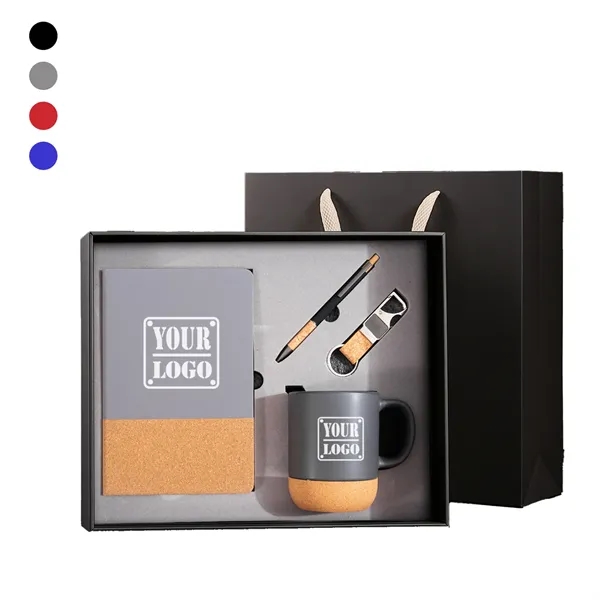
- Branded mugs, pens, and keychains with massive logos
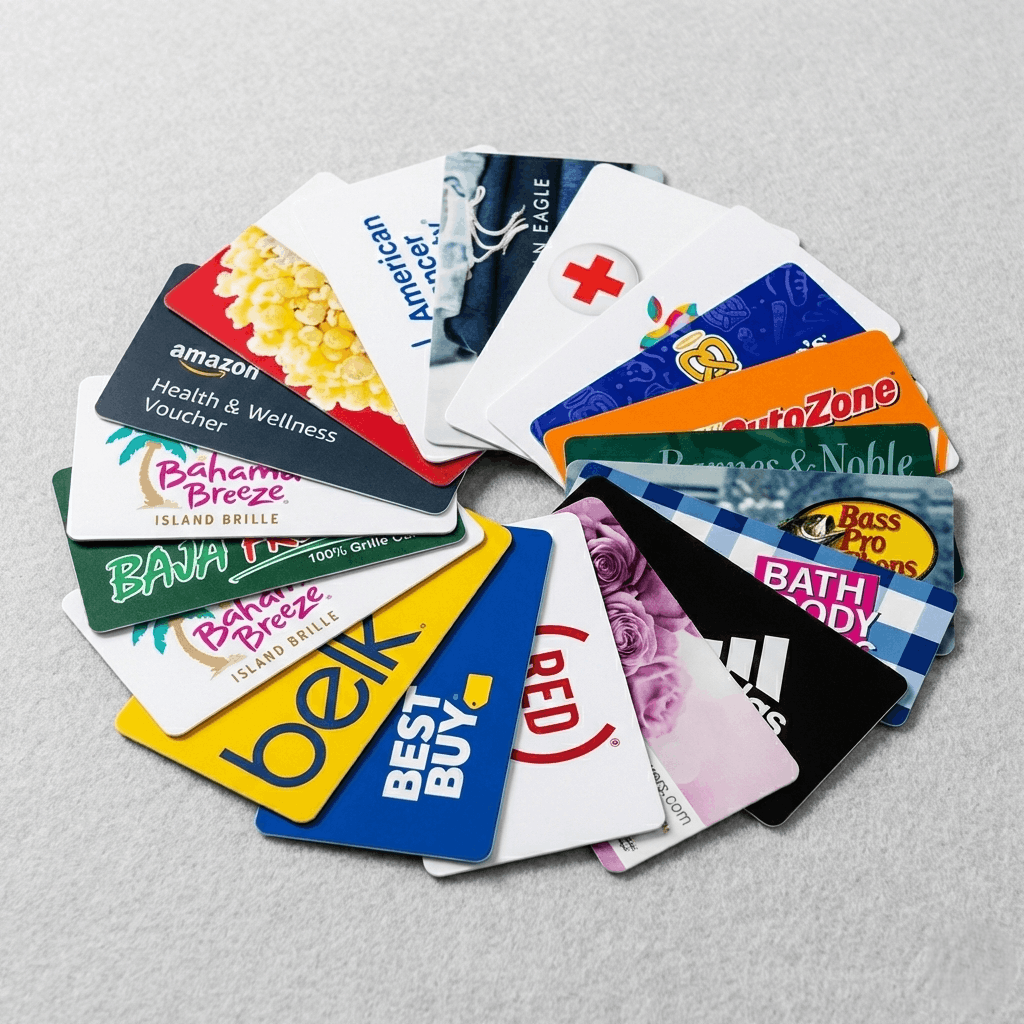
- A digital gift card that arrives with a generic “Thank you for your business” line
Client reaction:
“Nice of them.”
They appreciate the gesture, and that is it. The gift disappears into a cupboard or gets shared around the office. By March, no one remembers where it came from.
When Level 1 makes sense:
- Extensive lists of clients
- Tight budgets
- Compliance-heavy industries where anything more is risky
Level 1 is better than nothing, but it rarely changes the relationship.
Level 2: Appreciated (Functional)
Here, the gift becomes genuinely helpful. It feels considered, even if it is not deeply personal.
Examples:
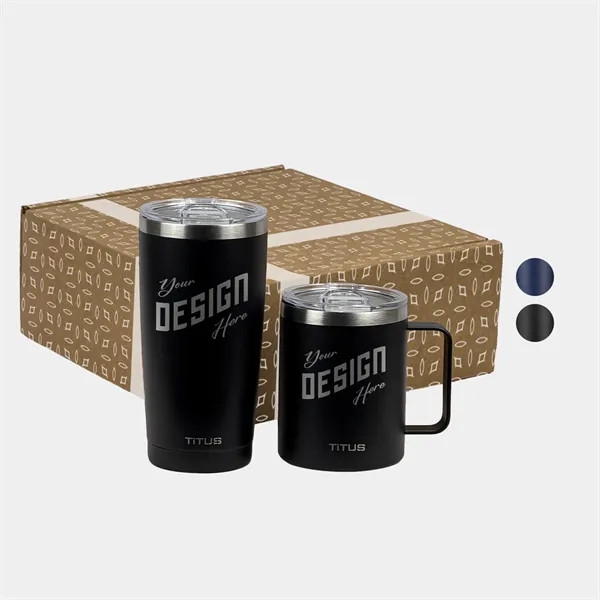
- Premium insulated drinkware that looks and feels high-quality.
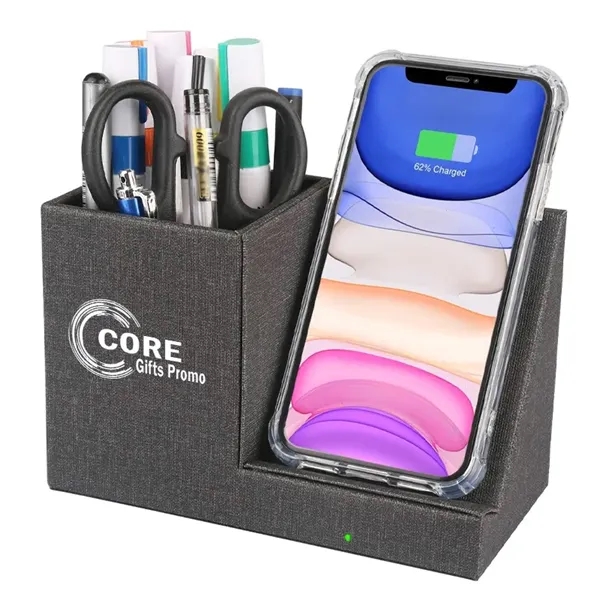
- Wireless chargers, desk stands, cable organizers
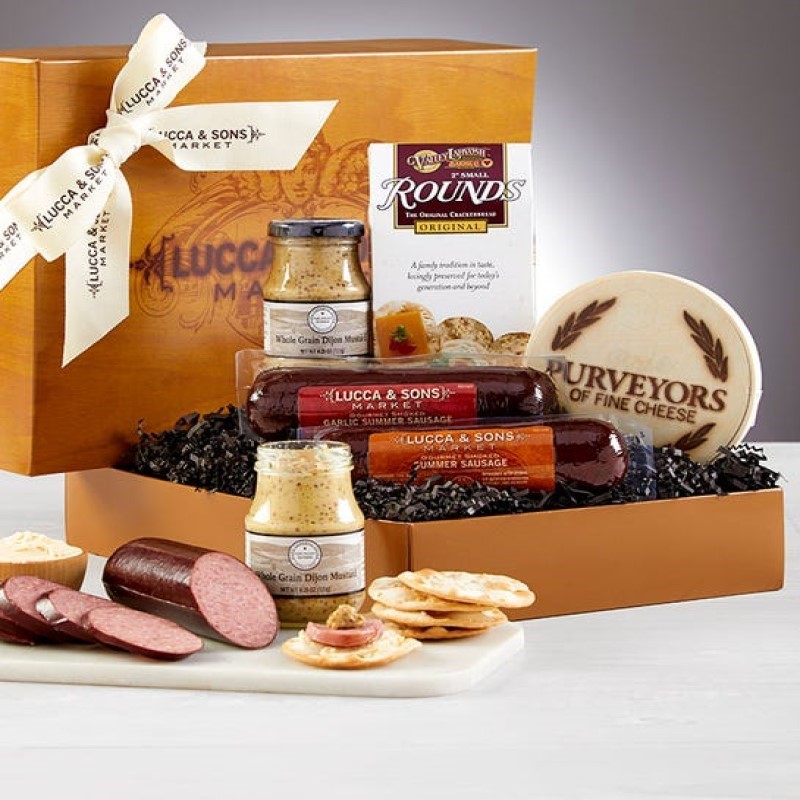
- Gourmet snacks with clear dietary labels and simple, clean branding
- Notebooks and planners that feel good to hold, not flimsy pads

Client reaction:
“This is useful. I will keep this on my desk.”
Now your brand is a part of their daily routine. They reach for your mug during calls. Your charger sits on their desk. You exist in their workspace, not just in their inbox.
When Level 2 makes sense:
- Ongoing clients who deserve more than a token
- Quarterly touchpoints
- Post-project thank you gifts.
This is the minimum level BlinkSwag aims for in most of our curated collections.
Level 3: Memorable (Personalized)
At this level, gifting feels unmistakably human. The client can tell you did not just click “Send to all”.
Examples:
- A coffee kit for the client who jokes about needing espresso to survive Q4

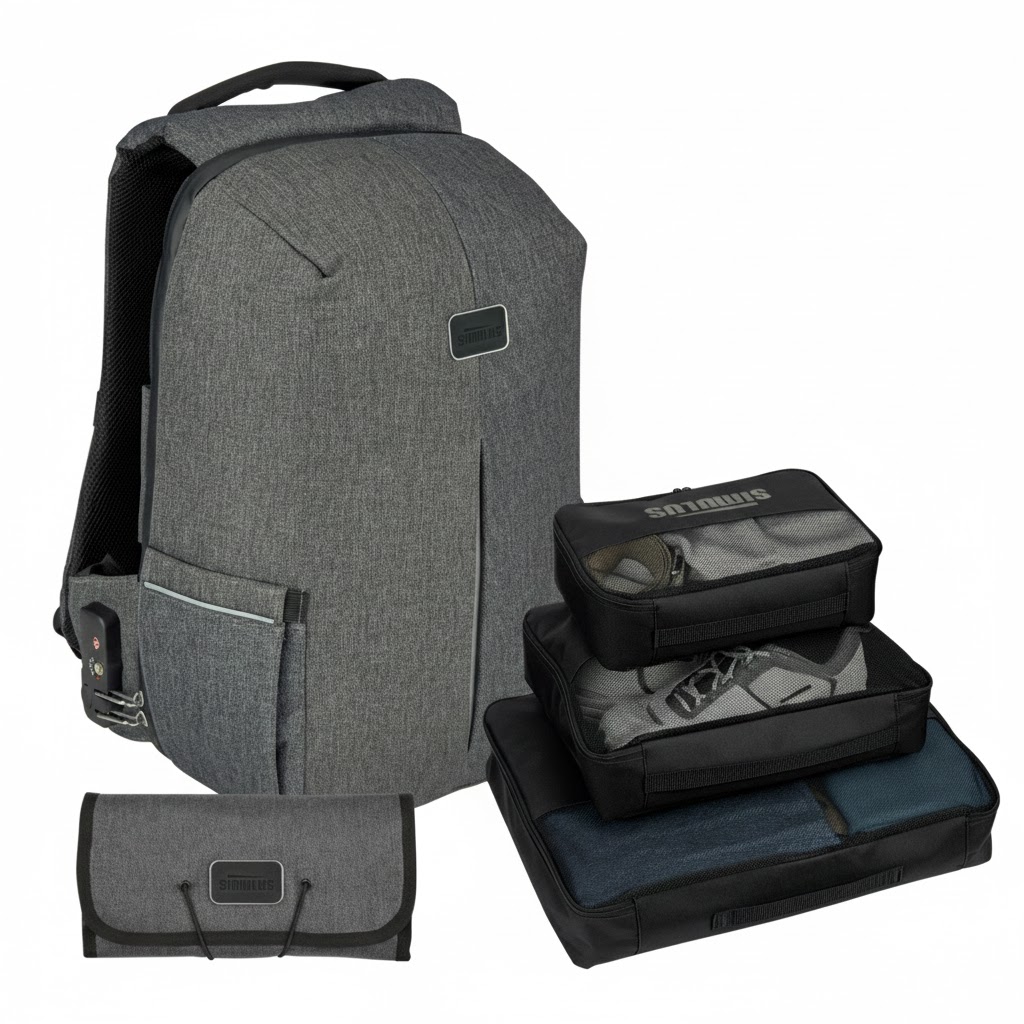
- Travel gear for the account champion who flies every week
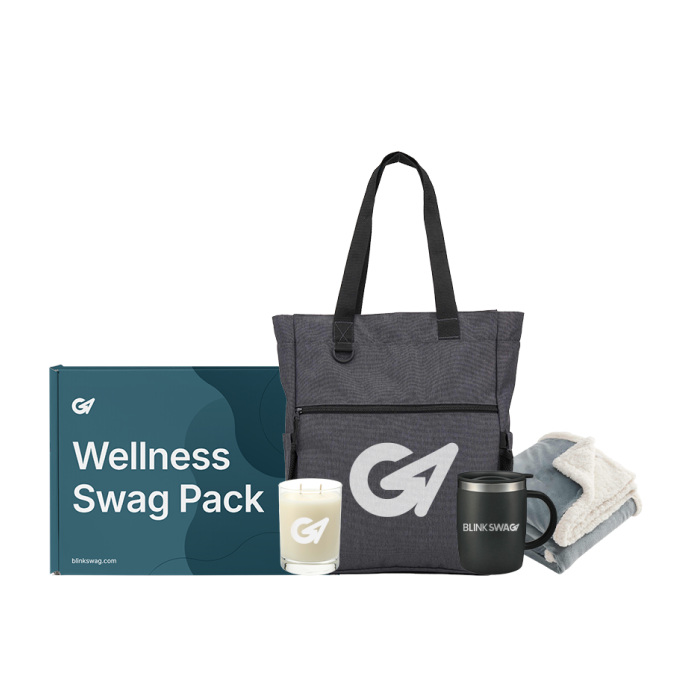
- A wellness kit for the founder who mentioned burnout on a call
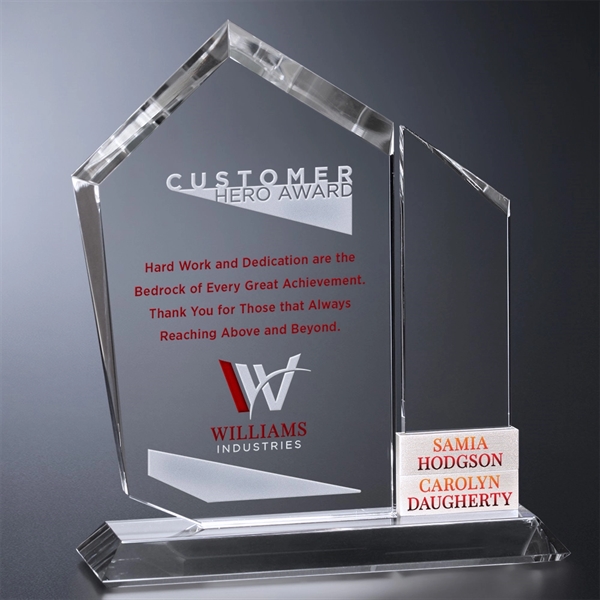
- An engraved desk item that references a project milestone, not just your logo
Client reaction:
“They really know me.”
You get more than a quick “thanks”. You get a thoughtful reply. It gets mentioned in the next meeting. The gesture becomes part of how they describe your relationship.
When Level 3 makes sense:
- Strategic accounts
- Key decision makers who champion you internally
- Renewal anniversaries
- Make-or-break moments after a challenging project.
BlinkSwag helps teams reach Level 3 at scale through:
- Preference tagging
- Choice-based portals
- Collections designed around roles and personalities
Level 4: Shareable (Story Worthy)
This is where gifting begins to resemble marketing.
The gift does not just land well. It becomes a story.
Examples:
- A curated experience kit plus a follow-up experience, such as a wine tasting box plus a hosted session
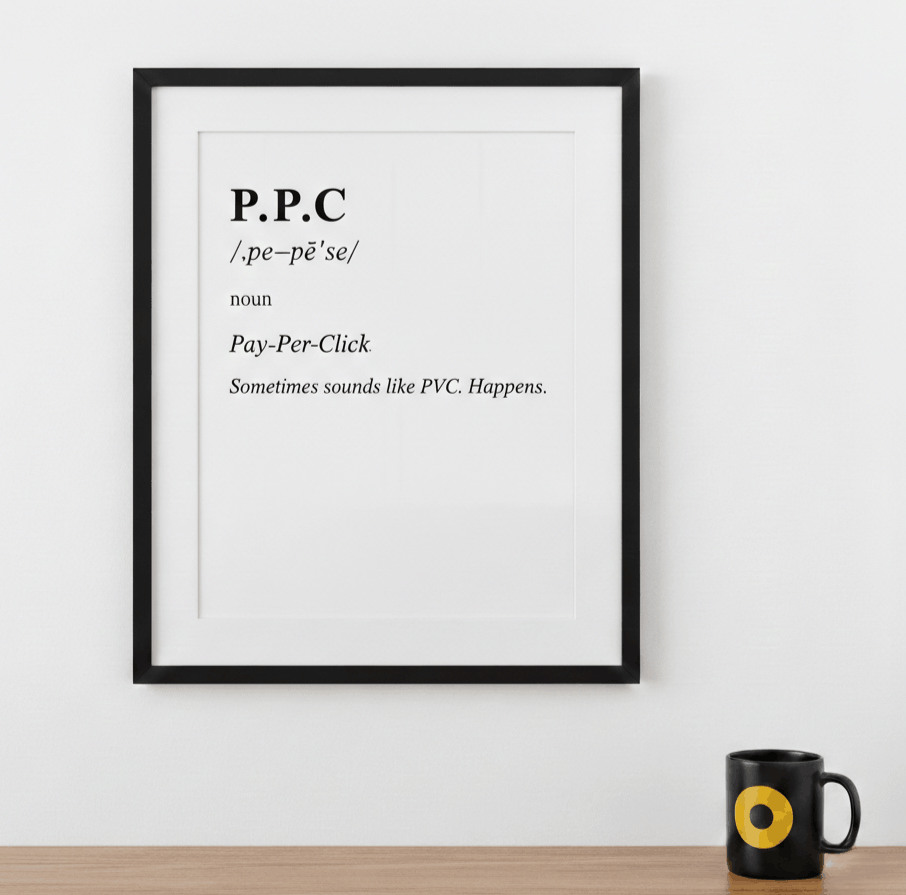
- A gift that references an inside joke or key moment in your work together, framed or printed in a clever way
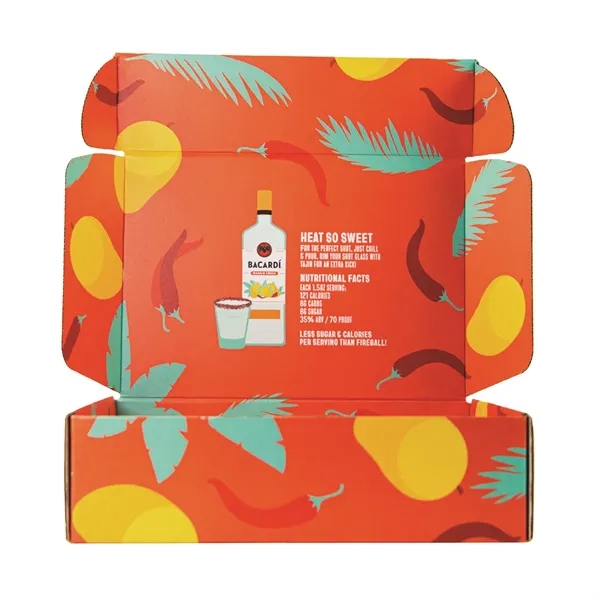
- A beautifully designed unboxing experience that invites photos and videos
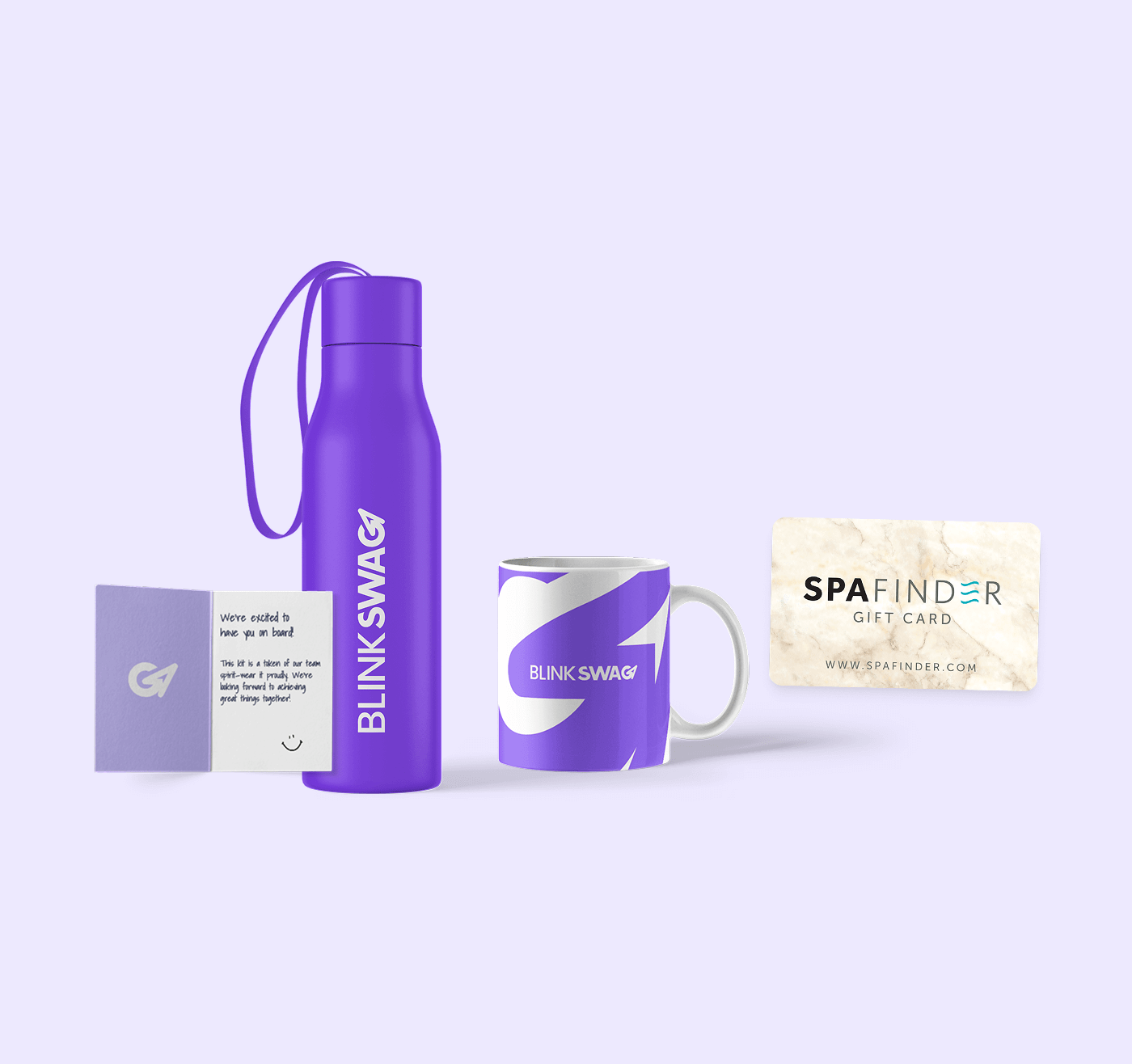
- A combined experience: handwritten card, thoughtful physical item, and a digital voucher for something they genuinely enjoy

Client reaction:
“I have to show this to someone.”
They share it with their team. They post it on LinkedIn. They mention it when another vendor asks about “how your partners treat you”.
This is where referrals and long-term loyalty often begin.
When Level 4 makes sense:
- Top 10 percent of clients by revenue or strategic value
- Key champions and influencers inside client companies
- Major renewals, multi-year agreements, and save moments.
Quick data anchor:
Teams that move their top clients from Level 1 and Level 2 gifts to Level 3 and Level 4 often see:
- Higher reply and meeting acceptance rates in the next 90 days
- More referrals and introductions
- Better renewal and expansion conversations
You do not need Level 4 for everyone. You do need it for the relationships that carry your revenue targets.
Where BlinkSwag Fits In This Spectrum
BlinkSwag is built to help you:
- Remove the drag of “What do we send this time?”
- Get out of the Level 1 trap.
- Normalize Level 2 and Level 3 across your client base.
- Reserve Level 4 for the accounts that truly deserve a bigger moment
With curated collections, preference-based options, and packaging that is designed to feel premium, BlinkSwag raises the floor so even “simple” gifts land at the appreciated tier.
From there, we utilize data, triggers, and personalization options to elevate your most essential relationships into a memorable and shareable space.
Micro Assessment: Where Are You On The Spectrum?
You can drop this little check at the end of a section, or turn it into a form:
- The last three gifts you sent to clients
- Were they generic or preference-based?
- Were they timed with a holiday or a meaningful milestone?
- Did anyone share them publicly or mention them unprompted later?
If most of your answers feel like “generic, holiday, polite thank you”, you are living in Level 1 and Level 2. The upside above that is where the real ROI lives.
“Want to see where your current gifting sits on the Delight Spectrum? Take the 3-minute assessment and get a simple action plan.”
How Much Should You Spend? The Client Gifting Budget And ROI Framework
Most teams handle client gifting budgets in one of two ways:
- “We have some money left. Let’s send something.”
- “Let’s allocate a flat amount per client and hope it is enough.”
Neither approach ties spend to client value, retention, or revenue.
A better way is to set budgets by client tier and tie them to actual risk and reward.
Step 1: Sort Clients By Tier
A simple model:
- Tier 1: Strategic Accounts
Top 10 to 20 percent of clients by revenue, influence, or growth potential. - Tier 2: Core Clients
The middle group that drives most of your stable revenue. - Tier 3: New Clients And High-Potential Prospects
Early-stage relationships you want to nurture.
This does not need to be perfect. Even a rough segmentation is better than treating everyone the same.
Step 2: Set Budget Ranges Per Tier
Here is a starting point you can adjust to your numbers.
Tier 1: Strategic Accounts
- Typical annual client value: 100,000 to 1,000,000 or more
- Suggested gifting budget: 0.1 to 0.5 percent of annual value
- That usually works out to 200 to 500 per year per client.
- Touchpoints: 2 to 4 moments
- Example: onboarding celebration, midyear check-in, renewal, one surprise
These are the accounts where losing just one can hurt the entire plan. A thoughtful gift plan is a cost-effective form of insurance.
Tier 2: Core Clients
- Annual value: 10,000 to 100,000
- Suggested budget: $75 to $150 per year per client
- Touchpoints: 1 or 2 meaningful moments, such as a holiday and an anniversary
Here, gifts support steady satisfaction. You remind them that they are not just another logo in your pipeline.
Tier 3: New Clients And Prospects
- Annual value: under 10,000, or not yet won
- Suggested budget: $30 to $75 per year per account
- Touchpoints: one or two points, such as a welcome kit or a “thank you for trusting us” moment after launch
These gifts smooth the onboarding experience and support better close rates.
Step 3: Look At The ROI, Not Just The Spend
Here is where gifting becomes a finance conversation, not just a “nice to have”.
Take a simple example:
- You manage 50 strategic clients
- Each strategic client is worth 100,000 per year on average.
- Your Tier 1 gifting budget is $350 per client per year.
Total Tier 1 gifting spend:
50 clients x 350 = 17,500 per year
If this program prevents just one strategic client from quietly drifting to a competitor at renewal, you keep 100,000 in revenue.
That represents a return of more than five times the entire gifting budget from one client.
Often, it is more realistic than that. A thoughtful, structured gifting plan can:
- Improve renewal rates across the segment
- Increase expansion and upsell conversations.
- Increase referral volume from clients who feel genuinely valued.
You are not paying for “stuff”. You are paying to support the health of the relationships that carry your income.
Step 4: Allocate Your Total Budget
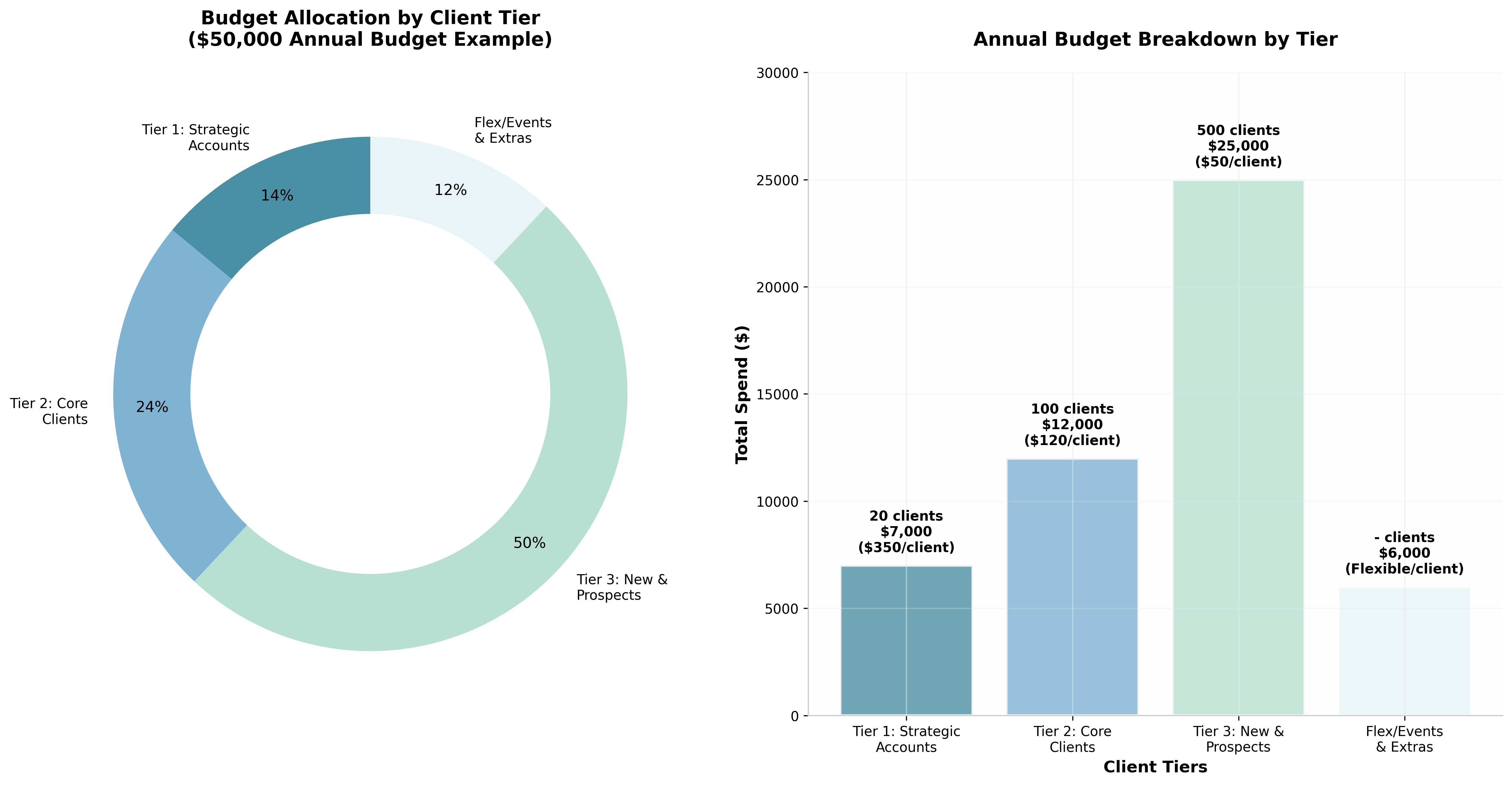
Use something like this as a starting layout for a 50,000 annual gifting budget:
| Tier | Number of Clients | Budget Per Client | Total Spend | Share of Budget |
| Tier 1 | 20 | 350 | 7,000 | 14 percent |
| Tier 2 | 100 | 120 | 12,000 | 24 percent |
| Tier 3 | 500 | 50 | 25,000 | 50 percent |
| Flex / Events / Extras | – | – | 6,000 | 12 percent |
| Total | – | – | 50,000 | 100 percent |
The exact numbers will change by company. The principle stays the same.
- Strategic accounts deserve a higher level of attention and quality.
- Regular accounts should feel consistently valued.
- New and prospective accounts should feel welcomed and remembered.
Step 5: Use BlinkSwag To Enforce The Plan
This is where BlinkSwag becomes more than a catalog.
Inside BlinkSwag, you can:
- Connect client tiers from your CRM
- Set budget caps and preferred gift ranges by tier.
- Create curated collections for each segment.
- Let reps or CSMs choose within guidelines, without needing manual approvals every time.
So instead of:
“I guess I will scroll through an endless catalog and hope I pick something that fits.”
You get:
“This client is Tier 1, here are approved Level 3 and Level 4 gift options within budget. Choose one, add a note, send.”
That is how you move from guesswork to a repeatable, controlled system.
A Simple Mental Check
Ask yourself:
- Do we currently spend more on random, last-minute gifting than on planned, tier-based gifting?
- Do we know how much we spend per client per year?
- Could we tell our CFO, right now, how many clients our gifting program likely saved last year?
If the answer is “no” or “not really”, there is a lot of value sitting on the table.
“Want to see what a structured, tier-based client gifting budget looks like for your own numbers? Use the Client Gifting ROI worksheet and map it in ten minutes.”
Corporate Gifting Compliance: How to Delight Clients Without Crossing the Line
Client gifting only works when it feels thoughtful and safe. The fastest way to damage trust is to put a client in an uncomfortable position with a gift they cannot accept.
Most articles stop at “check your company policy.” That advice is vague and risky.
A more innovative approach is to design gifting with compliance in mind from day one.
Why Compliance Matters More Than Ever
Many client-side teams operate under strict internal rules:
- Public sector and government organizations
- Healthcare and life sciences
- Financial services and regulated industries
- Enterprise procurement-driven environments
In these settings, even a well-intentioned gift can be rejected or quietly reported if it exceeds policy limits.
The goal is not to avoid gifting. The goal is to gift confidently.
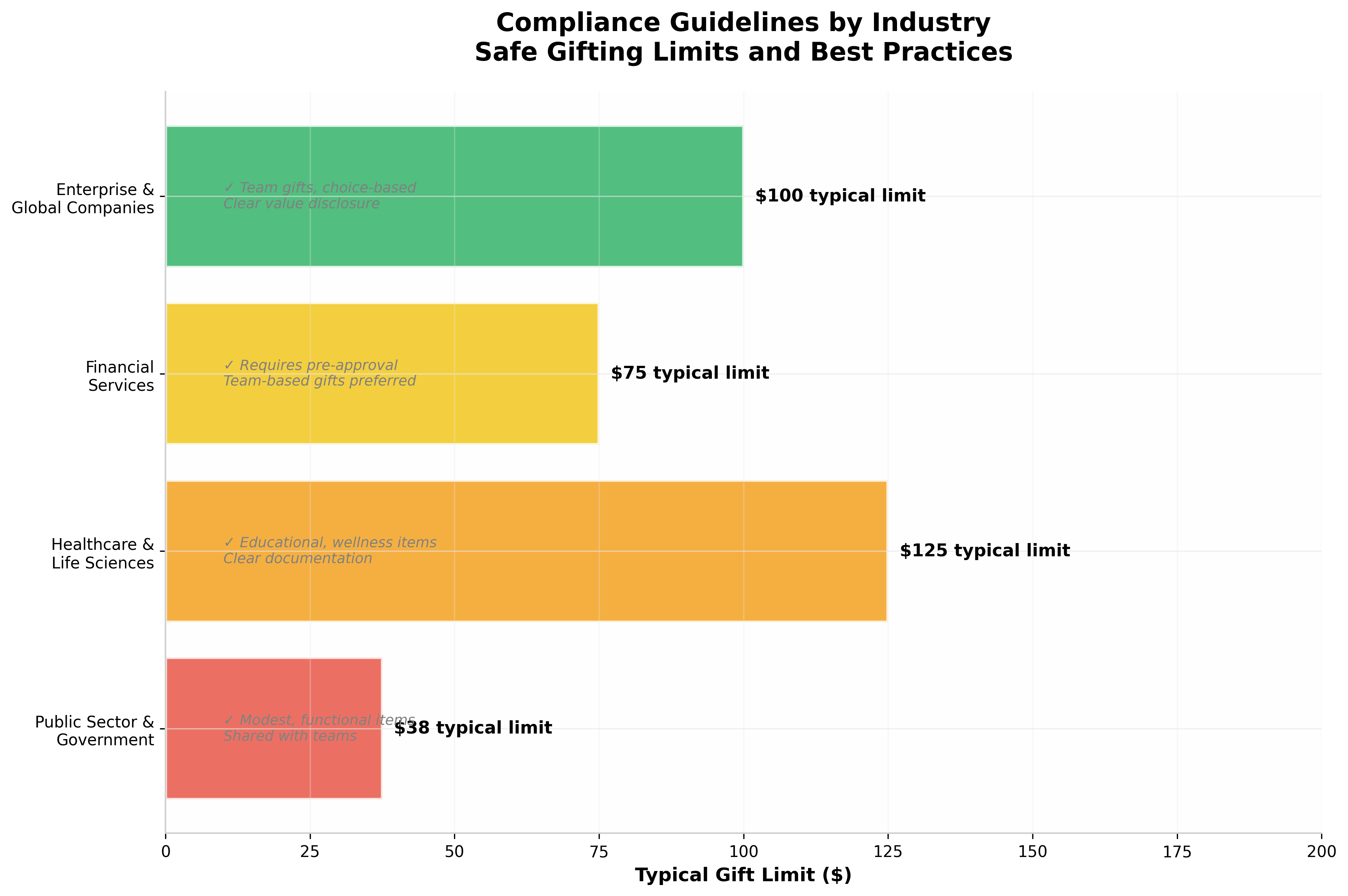
Practical Gift Value Guidelines by Industry
These are standard ranges used by many organizations. Always confirm specifics, but these benchmarks keep teams safe.
Public Sector and Government
- Typical limit: 25 to 50 per recipient
- Best approach: modest, functional items or food shared with teams
- Avoid: luxury items, experiences, or anything that looks personal.
Healthcare and Life Sciences
- Typical limit: 100 to 150
- Best approach: educational items, modest wellness kits, food with clear documentation
- Avoid: personal luxury, cash equivalents, or anything that could be interpreted as influence.
Financial Services
- Often requires pre-approval for gifts of $50 to $100
- Best approach: branded essentials, desk items, or team-based gifts
- Avoid sending high-value items to individuals.
Enterprise and Global Companies
- Policies vary by region and role.
- Best approach: team gifts, choice-based options, clear value disclosure
- Avoid: surprises without internal checks.
BlinkSwag Advantage for Compliance
BlinkSwag allows teams to:
- Set gift value caps by client type or industry
- Create approved collections per segment.
- Log gift value automatically for reporting.
- Support global shipping with customs and duty awareness.
This removes the fear factor that causes teams to default to boring gifts.
“International gifting note: U.S. companies must comply with FCPA when gifting foreign clients, especially government officials. Keep gifts under $50 for international public sector recipients, document all gifts clearly, and avoid anything that could be perceived as bribery or influence.”
Smart Gifting Triggers: Automate Delight Without Losing the Human Touch
The biggest reason gifting programs fail is timing. When gifting is manual, it gets delayed or forgotten.
Automation solves this, but only if it is done thoughtfully.
The Right Moments to Trigger Client Gifts
Instead of asking “What should we send this quarter?”, ask “What moments actually matter to clients?”
High-impact trigger moments include:
- Deal closed or contract signed
- Client onboarding completion
- First major milestone delivered
- 90-day relationship mark
- Contract renewal
- Referral or testimonial given
- Major product launch or expansion
These moments carry emotion. Gifting works best when it amplifies that emotion.
Example: CRM Triggered Gifting Workflow
A simple example many BlinkSwag clients use:
- Trigger: Deal marked “Closed Won” in CRM
- System checks deal value and client tier.
- Gift options are selected based on tier rules.
- The account owner receives a notification 48 hours prior to the email being sent.
- Rep can personalize a note or swap a gift.
- Gift ships with tracking and logging
This allows for the intentional giving of gifts without requiring manual work.
Automation Without Losing Control
BlinkSwag workflows allow:
- Automated triggers
- Approval gates for high-value gifts
- Manual overrides for exceptional cases
- Visibility for managers and finance
You keep the human touch. You lose the chaos.
The Gift Selection Decision Tree: How to Choose the Right Gift Every Time
One of the most challenging questions teams ask is simple:
“What should I send this client?”
A decision tree removes guesswork.
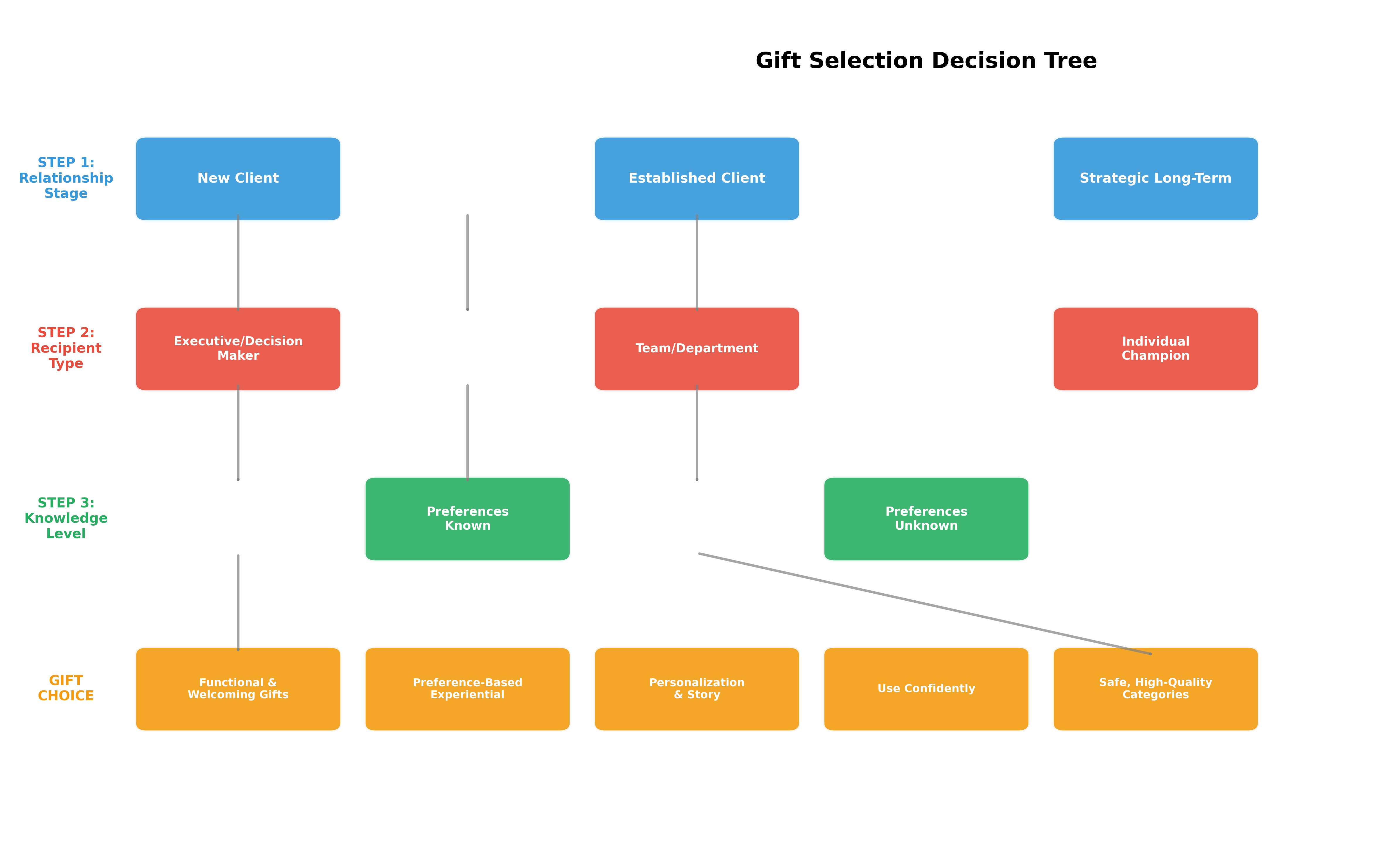
Step 1: What Stage Is The Relationship?
New Client
- Prioritize functional and welcoming gifts.
- Focus on usefulness and ease.
- Avoid anything too personal.
Established Client
- Introduce preference-based or experiential elements.
- Reference shared history or milestones.
Strategic Long-Term Client
- Invest in personalization and story.
- Experiences and thoughtful packaging matter more than logos
Step 2: Who Is The Recipient?
Executive or Decision Maker
- Productivity-focused items
- Premium quality, subtle branding
Team or Department
- Shared gifts that encourage internal discussion
- Food, experience kits, or office-friendly items
Individual Champion
- Preference-matched gifts
- Personalized notes that acknowledge their role
Step 3: What Do You Know About Them?
When preferences are known:
- Use them confidently
When preferences are unknown:
- Default to safe, high-quality categories
- Premium drinkware
- Tech accessories
- Wellness or desk organization
BlinkSwag choice-based portals are mighty here. Clients select what they actually want, reducing waste and increasing satisfaction.
The Client Gift Calendar: Why Timing Beats Holidays
Holiday gifting is crowded. Everyone does it. That does not mean you should skip it. It means you should not rely on it.
The strongest gifting programs spread moments across the year.
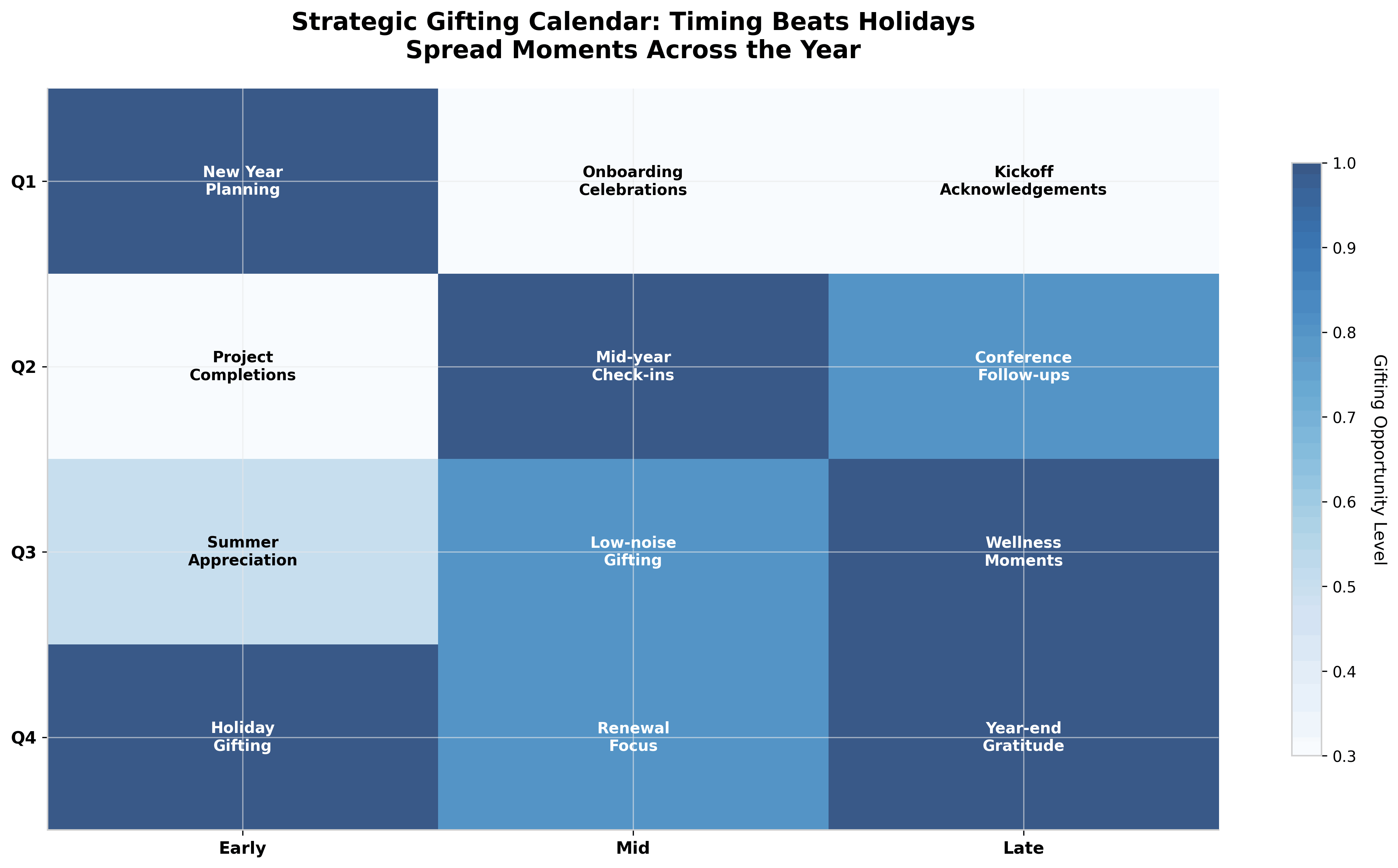
A Smarter Gifting Calendar
Q1
- New year planning gifts
- Onboarding celebrations
- Kickoff acknowledgements
Q2
- Project completion thank yous.
- Mid-year check-ins
- Conference follow-ups
Q3
- Summer appreciation
- Low noise gifting window
- Wellness-focused moments
Q4
- Holiday gifting
- Renewal-focused personalization
- Gratitude messages that reference the full year
Unexpected gifts in quiet months often outperform expensive holiday gifts in crowded inboxes.
Personalization Tiers: Scaling Thoughtfulness From 10 Clients to 500
Personalization does not have to mean chaos.
Think in tiers.
Tier 1: Generic
- Logo only
- Low impact
Tier 2: Quality Branded
- Subtle branding
- Better materials
Tier 3: Preference Matched
- Role or interest-based
- High engagement
Tier 4: Story Integrated
- References shared moments
- Emotional connection
Tier 5: Bespoke Experience
- Custom, experiential, memorable
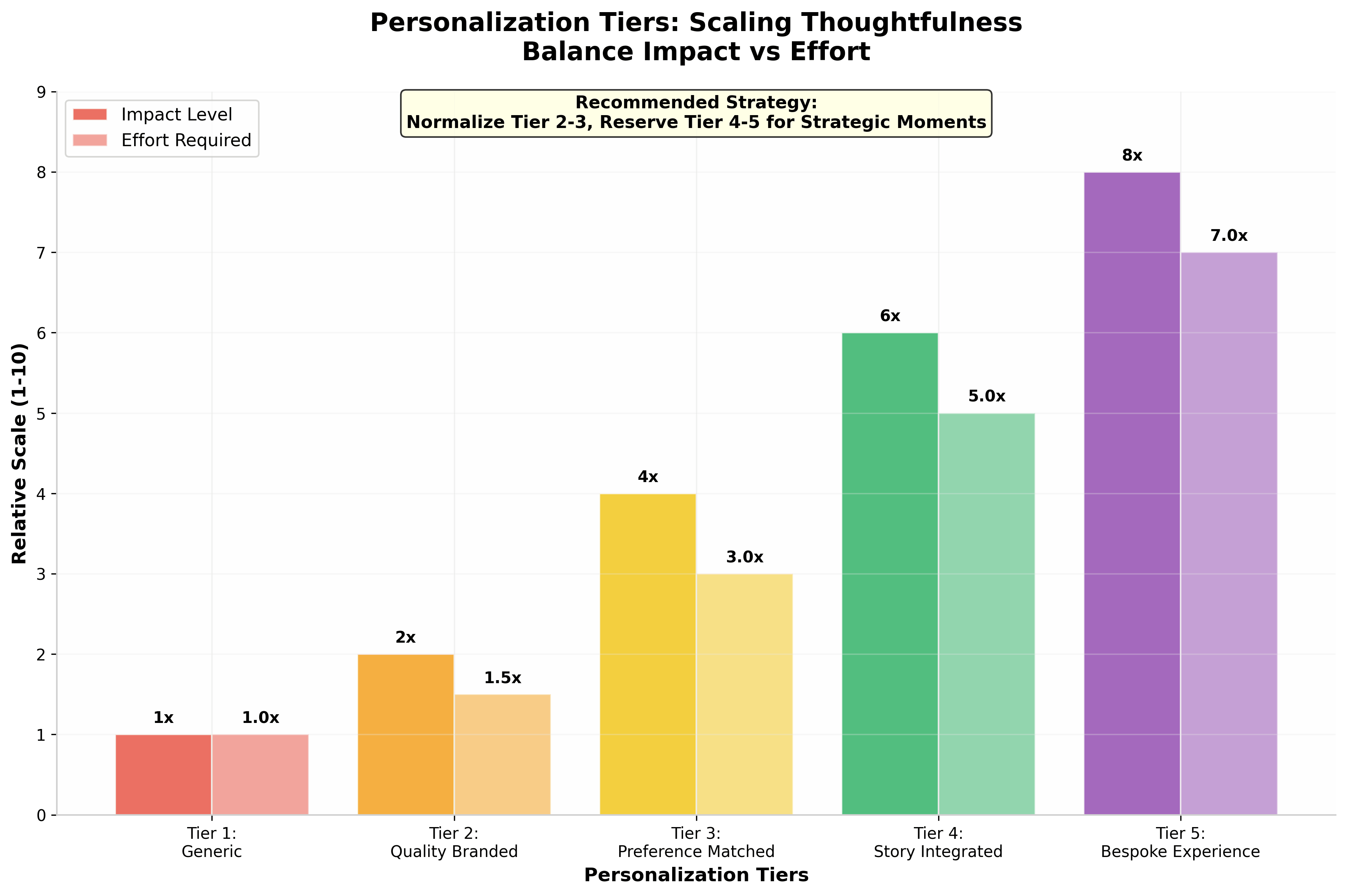
Most programs should aim to normalize Tier 2 and Tier 3, reserve Tier 4 and Tier 5 for strategic moments.
BlinkSwag helps enforce this balance without manual policing.
The Unboxing Experience: Where Emotion Actually Happens
The gift is only half the experience. Presentation does the rest.
Client’s notice:
- How the box looks when it arrives
- How easy it is to open
- Whether the note feels real or copied
- Whether the packaging feels intentional
A strong unboxing experience follows a simple sequence:
- Clean the outer shipping box
- Branded inner packaging
- Thoughtful reveal with filler or structure
- Gift presented neatly
- Personalized note on top
This is what turns a gift into a photo opportunity.
Measuring What Matters: Proving Gifting ROI
If you cannot measure it, you cannot improve it.
Track more than shipping confirmation.
Key metrics to monitor:
- Gift acknowledgement rate
- Follow up meeting acceptance within 30 days.
- Referral activity post gift
- Renewal and expansion rates
- Engagement compared to non-gifted clients
BlinkSwag dashboards help teams connect gifting activity to real outcomes.
Why BlinkSwag: From Random Gifts to a Client Delight System
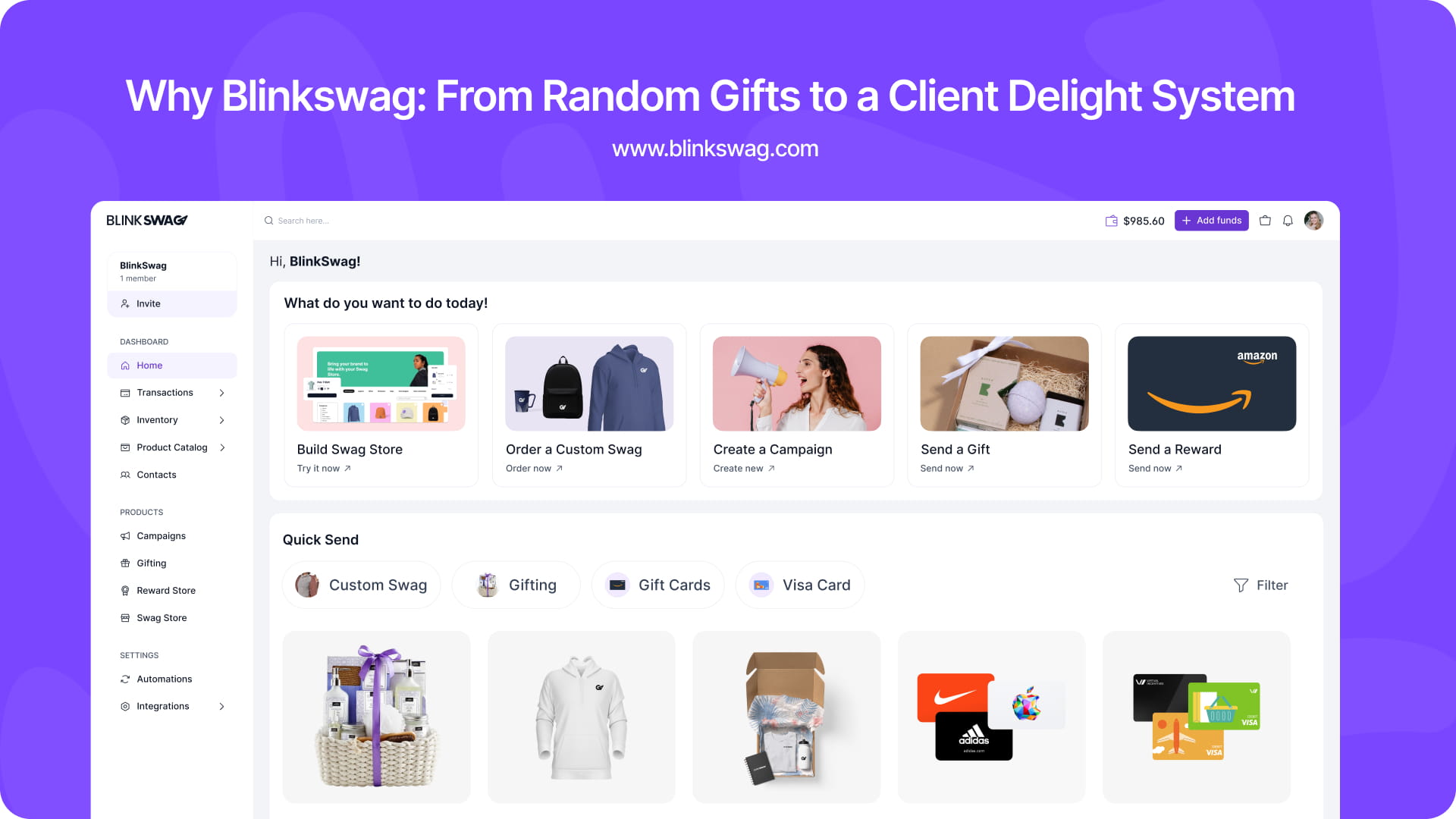
Most gifting vendors assist you in purchasing items.
BlinkSwag helps you build a system.
With BlinkSwag, teams get:
- Curated collections designed for real use
- Choice-based gifting that reduces waste
- CRM triggered automation
- Global fulfillment and compliance awareness
- Budget controls and reporting
- Attribution and engagement visibility
This is how gifting becomes an integral part of your retention and growth strategy, not just an end-of-year scramble.
Choose Your Next Step
To enhance client gifting, select the step that aligns with your current level of expertise.
Understand your current state.
Take the Client Gifting Assessment and see where you sit on the Delight Spectrum.
Plan smarter budgets
Use the Client Gifting ROI worksheet to map spend by tier.
See it in action
Schedule a short BlinkSwag demo and walk through real workflows.
Start gifting with confidence.
Launch a compliant, automated, and human gifting program that actually supports your client relationships.
Corporate gifting should not feel awkward, rushed, or forgettable.
When executed correctly, it becomes one of your most effective and human tools, ensuring client satisfaction long after the contract is signed.