
Christmas & New Year Corporate Gift Ideas 2025–2026: The Intelligence-First Playbook
The $2M Gift Mistake: Why Guessing Is Dangerous in 2025
Picture this.
Your company has spent 18 months nurturing a high-value prospect in Asia, including multiple trips, late-night calls across time zones, and navigating procurement hurdles and legal reviews, the whole journey. Just as the contract is about to close, your team decides to send a “thoughtful” Christmas gift to the key decision-maker.
Somebody, somewhere, chooses a beautifully packaged clock.
In your culture, it’s elegant, timeless, even symbolic of “many good years ahead together.”
In theirs, a clock is tied to funerals and death.
No one says anything directly, but the tone of the relationship changes.
The deal stalls. Emails slow down. That “sure thing” quietly disappears from the pipeline.
That’s not a bad mug choice. That’s a seven-figure mistake caused by one poorly chosen gift.
Now zoom in closer to home.
An employee who’s been with you for four years receives their “special” Christmas gift: a branded hoodie… in the wrong size… in a color they’d never wear. Their remote teammate gets a gift that includes nuts, and they’re allergic. Another team member doesn’t celebrate Christmas at all, but still receives a very loud “Merry Christmas!” box.
None of these people quit tomorrow because of the gift.
But all of them get the same message:
“We don’t really know you. We didn’t think this through.”
In 2025, corporate gifting is no longer a low-stakes “nice touch.” The stakes are higher:
- One culturally insensitive gift can quietly damage a high-value client relationship.
- One tone-deaf employee gift can reinforce the feeling that they’re just a number.
- One sloppy, non-compliant gift to a government contact can trigger uncomfortable questions.
The answer isn’t “better taste” or more time spent scrolling through catalogs.
The answer is better systems and better intelligence.
Instead of starting with, “What should we buy?” the smarter question is:
“How do we build a gifting system that makes it hard to get this wrong?”
That’s what this playbook is about.
You’re going to see three layers that sit underneath every Christmas and New Year corporate gift you send:
- Choice – Stop guessing. Let people choose inside smart boundaries.
- Culture & Compliance – Avoid the invisible tripwires that can damage trust.
- Hybrid Experiences – Combine physical gifts with experiences that actually create memories.
Once those layers are in place, picking products becomes the easy part.
The 2025 Corporate Gifting Intelligence Framework: Choice, Culture & Compliance
Most holiday gift guides jump straight to “50 ideas under $50.”
If you’re responsible for genuine relationships—employees, clients, partners—you need something more reliable than guesswork and vibes.
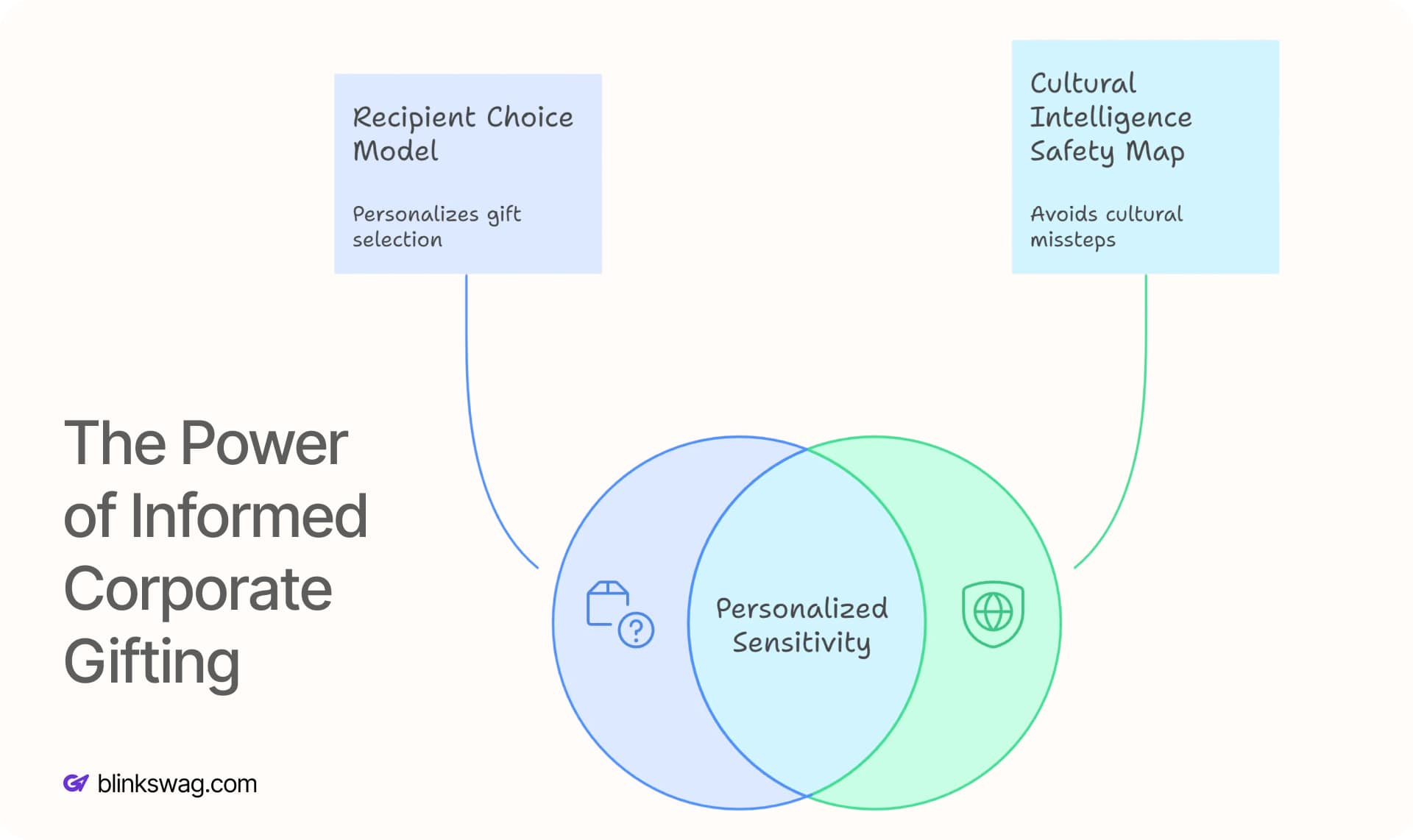
The Corporate Gifting Intelligence Framework gives you three systems that sit under every decision you make:
- A Recipient Choice Model, so you’re not gambling on preferences.
- A Cultural Intelligence Safety Map to help you avoid unintentionally offending anyone.
- A Hybrid Experience Model so your gifts don’t feel like “more stuff” in a crowded drawer.
Once you understand these three, budget tables and gift tiers suddenly make sense.
The Recipient Choice Model: Stop Guessing, Start Letting People Pick

A lot of gifting stress comes from one simple truth:
You’re trying to predict what hundreds of different people will like.
You’ve probably felt at least one of these:
- The blanket vs. speaker dilemma
You send a weighted blanket, but the recipient hates heavy blankets and would have loved noise-canceling headphones instead. - Size and color roulette
You order apparel, only to receive a wave of “It doesn’t fit” messages or see your hoodie in a drawer, tags still attached. - Food and allergy landmines
You send a gourmet snack box that includes nuts, gluten, or alcohol to someone who can’t go near any of those.
None of that is malicious. It’s just guessing at scale.
How Choice-Based Gifting Actually Works
Instead of “We picked this for you,” the system becomes:
- You define the rules
- Set a budget, such as $40 per recipient.
- Select a curated collection within your budget (for example: tech, wellness, drinkware, or WFH essentials).
- Set a budget, such as $40 per recipient.
- Recipient gets a link.
- They receive an email or SMS:
“We’ve set aside a holiday gift for you. Pick the one that fits you best.”
- They receive an email or SMS:
- They choose their gift.
- They see a small, curated selection (3–6 options) aligned with your brand and budget.
- They pick the color, size, or variation they genuinely want.
- They see a small, curated selection (3–6 options) aligned with your brand and budget.
- They confirm the address & details.
- They enter or confirm their shipping address.
- No extra spreadsheets for you. No chasing for addresses.
- They enter or confirm their shipping address.
- You get data—not drama.
- You see who redeemed, what they chose, and how many gifts are still pending.
- Next year, you’ll already know who prefers tech, wellness, or snacks.
- You see who redeemed, what they chose, and how many gifts are still pending.
The result: less stress, fewer returns, far fewer “This wasn’t really me” reactions.
Instead of trying to be psychic, you’re being considerate and systematic.
When to Use Choice vs. Pre-Selected Gifts
Sometimes it still makes sense to send one carefully chosen item. The question is when.
Use a simple matrix like this:
Scenario | Recommendation | Why |
Team under 20 people | Pre-select + quick survey | You know them; personal touch still scales |
Team of 20–200 | Choice-based gifting | Too many preferences to guess reliably |
Remote/international teams | Choice-based (strongly) | Solves sizing, taste, and regional differences |
Strategic client accounts | Curated pre-selected gift | Shows intention and effort |
Broad mid-tier client list | Choice platform or e-card | Efficient, respectful of their preferences |
Think of it this way:
- Small, tight-knit group? You can afford to curate manually.
- Larger, distributed group? Choice is no longer a luxury, it’s a risk-reduction tool.
How BlinkSwag Fits Into the Choice Model
A choice-based approach sounds complex—unless the heavy lifting is handled for you.
This is where a platform like BlinkSwag slides in nicely:
- Curated collections locked to your budget tiers
- Built-in size and color selection for apparel
- Allergy and dietary flags for food and wellness items
- A live redemption dashboard so you can see who has chosen what, and where it’s going
You’re not sending people into an online warehouse to pick anything.
You’re inviting them into a curated collection that aligns with your brand, budget, and values.
Practical takeaway: Let them choose inside your rules.
You keep control of the budget and brand; they control what actually shows up on their doorstep.
The Cultural Intelligence Safety Map: Avoid Relationship-Killing Gift Mistakes

A gift doesn’t live in a vacuum. It is embedded within a culture, a belief system, and a set of local rules.
When you send Christmas and New Year gifts across borders (or even inside a diverse team), you’re not just sending an object—you’re sending a message.
Most teams still rely on gut feeling here. That’s how you end up with:
- A clock was sent to a Chinese partner, where clocks can be associated with death and funerals.
- A leather gift to someone in a region where cattle are sacred, or animal products are sensitive.
- A wine hamper to a recipient who doesn’t drink for religious or personal reasons.
- A very loud “Merry Christmas!” box was sent to someone who doesn’t celebrate Christmas at all.
No one may confront you directly. But internally, it registers:
“They don’t get us. They didn’t do their homework.”
Instead of crossing your fingers and hoping, you can run every gift through a simple three-step cultural pre-flight check.
Step 1: Religion & Belief System Check
Ask yourself (or your team):
- Could alcohol be an issue here?
- For some Muslim, recovering, or conservative recipients, it’s not just unwelcome—it’s non-negotiable.
- Are there any known restrictions on pork, beef, or animal products?
- Hindu recipients may avoid beef and certain types of leather.
- Jewish and Muslim recipients may avoid pork or anything that isn’t clearly compliant with their dietary laws.
- Hindu recipients may avoid beef and certain types of leather.
- Is this person likely to celebrate Christmas at all?
- For many colleagues and clients, a neutral “Season’s Greetings” or “Happy Holidays” is far safer than a particular religious message.
- For many colleagues and clients, a neutral “Season’s Greetings” or “Happy Holidays” is far safer than a particular religious message.
You won’t always know the answer—but you can at least avoid obvious missteps.
Step 2: Regional Symbolism Check
Now think about geography:
- Colors:
- White can be associated with mourning in parts of Asia.
- Purple can be tied to funerals in some Latin American cultures.
- White can be associated with mourning in parts of Asia.
- Numbers:
- The number 4 can be associated with death in certain cultures, including China and Japan.
- In many Western countries, it can be considered unlucky.
- The number 4 can be associated with death in certain cultures, including China and Japan.
- Objects:
- Clocks and sharp knives can have strong negative symbolism in some cultures.
- Green hats in China can carry a negative connotation of infidelity.
- Clocks and sharp knives can have strong negative symbolism in some cultures.
You don’t need to memorize every rule. You just need a system that flags common patterns before gifts go out.
Step 3: Legal & Compliance Check
Then there’s the tedious but crucial part: law and policy.
Some examples:
- Specific public sector or government employees may only accept gifts below a small dollar value.
- Some companies have strict internal policies regarding the acceptance of gifts above a specific limit.
- Some regions have complex rules about shipping alcohol or other controlled items.
- In some cases, gifts exceeding a certain threshold may result in tax implications for the recipient.
When you’re dealing with clients, partners, or government entities, a quick compliance pass goes a long way.
A Handy Overview: Global Gift “Danger Zones”
Here’s a simplified view you can adapt into your own internal guidelines.
(Think of this as a starting point, not legal advice.)
Region / Culture | Risky Gift Type | Why It Can Be Risky | Safer Alternative | Severity |
China | Clocks, some timepieces | Often associated with funerals / bad luck | Premium tea sets, red/gold items | 🔴 High |
China / Japan | Sets of 4 items | Number 4 can be linked to “death” | Sets of 3, 5, or 8 | 🔴 High |
Middle East (many) | Alcohol, pork products | Religious restrictions for many recipients | Dates, sweets, tech accessories | 🔴 High |
India (many regions) | Leather and some beef | Cattle can be sacred; beef-sensitive contexts | Canvas, metal, tech, sustainable swags | 🟡 Medium |
Jewish recipients | “Merry Christmas” only | Excludes non-Christmas observers | “Happy Holidays” or “Season’s Greetings” | 🟡 Medium |
Government (US, etc.) | High-value gifts | Strict ethics and value limits may apply | Small tokens or charitable donations | 🔴 High |
Severity guide:
- 🔴 High – Can seriously damage the relationship or create compliance problems. Avoid unless you’re sure.
- 🟡 Medium – Could cause discomfort if you misjudge. Conduct further research or opt for a safer alternative.
- 🟢 Low – Minor etiquette concerns; usually easy to recover from with an apology.
When in Doubt: Use the “Safe Defaults” List
Some categories are generally easier to keep culturally neutral and widely acceptable:
- High-quality tea or coffee sets (without strong religious or political branding).
- Practical tech accessories (cable organizers, chargers, stands).
- Charity-linked gifts where the recipient can direct a donation.
- Experience vouchers that allow the recipient to choose their own event or experience.
They won’t be perfect in every case, but they’re far less likely to cause serious offense.



How BlinkSwag Fits Into the Choice Model
If you’re sending gifts to a global team or client base, manually tracking all of this can be challenging.
This is precisely where a cultural safety layer is helpful:
- A human team or workflow that quickly reviews your gift list by country and recipient type.
- Automatic flagging of obvious risks (alcohol to specific regions, certain symbols or messages).
- Suggestions for safer alternative items from the same budget and category.
BlinkSwag can act as that extra layer of review, so you’re not relying on one person’s Google search at the last minute.
Practical takeaway: Before you send anything worldwide, run it through a structured cultural check.
A 10-minute review is cheaper than a damaged relationship.
The Hybrid Experience Model: When a Mug Isn’t Enough

There’s a reason a lot of people quietly roll their eyes at holiday swag.
They already have three mugs, two hoodies, and a drawer full of pens.
Another physical object doesn’t automatically create a connection—especially for remote teams.
What people increasingly value is experience:
- A moment they can share with their team or family.
- A memory tied to your brand that actually feels good to revisit.
- Something that brings a bit of warmth or joy to a season that’s already noisy.
That doesn’t mean physical gifts don’t matter. It means the strongest experiences combine both.
Model 1: Event-in-a-Box
In this model, the physical gift is the setup.
The real magic is in the shared experience that follows.
Examples:
Physical Kit | Paired Experience | Best For |
Cocktail shaker + ingredients | Live virtual mixology class | Remote teams, social groups |
Gourmet coffee sampler | Virtual coffee tasting with a roaster | Coffee-loving teams |
Art supplies (canvas, brushes) | Guided painting session | Creative or mixed teams |
Cooking ingredients + recipe card | Live online cooking class | Foodies & team bonding |
Everyone receives the same kit → everyone joins the same session → everyone shares the same story afterwards.
The physical gift stays on their desk or in their kitchen.
The experience stays in their memory.
Model 2: The Unlock Code Strategy
Here, the physical item is accompanied by a hidden or obvious digital “unlock.”
For example:
- A premium notebook with a gift card inside:
“Three months of access to a learning platform.” - A wireless charger with a gift card linking to a digital subscription.
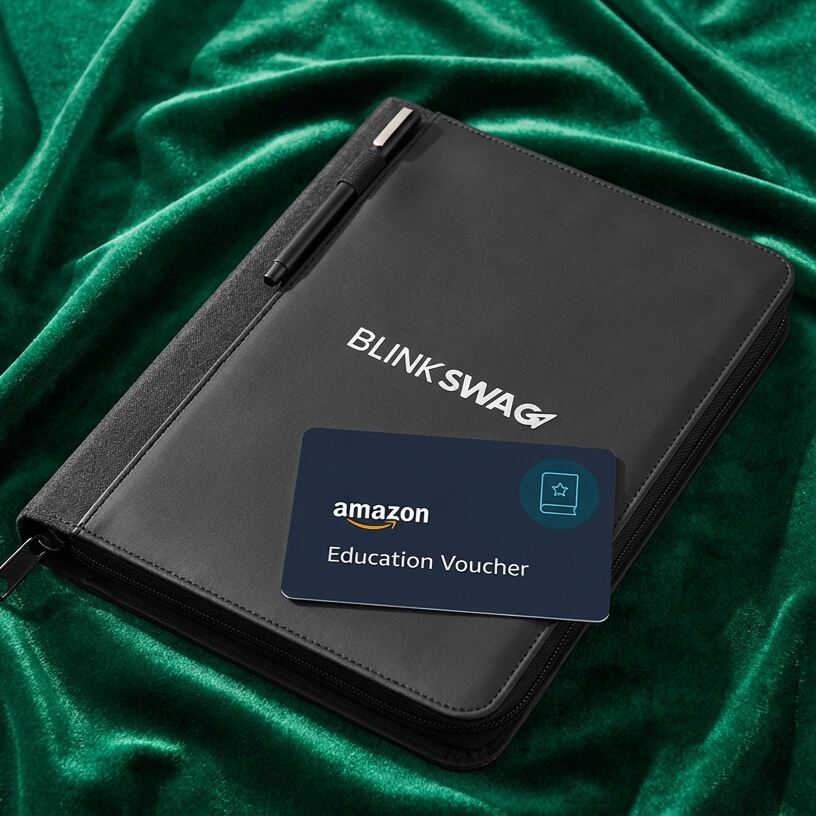
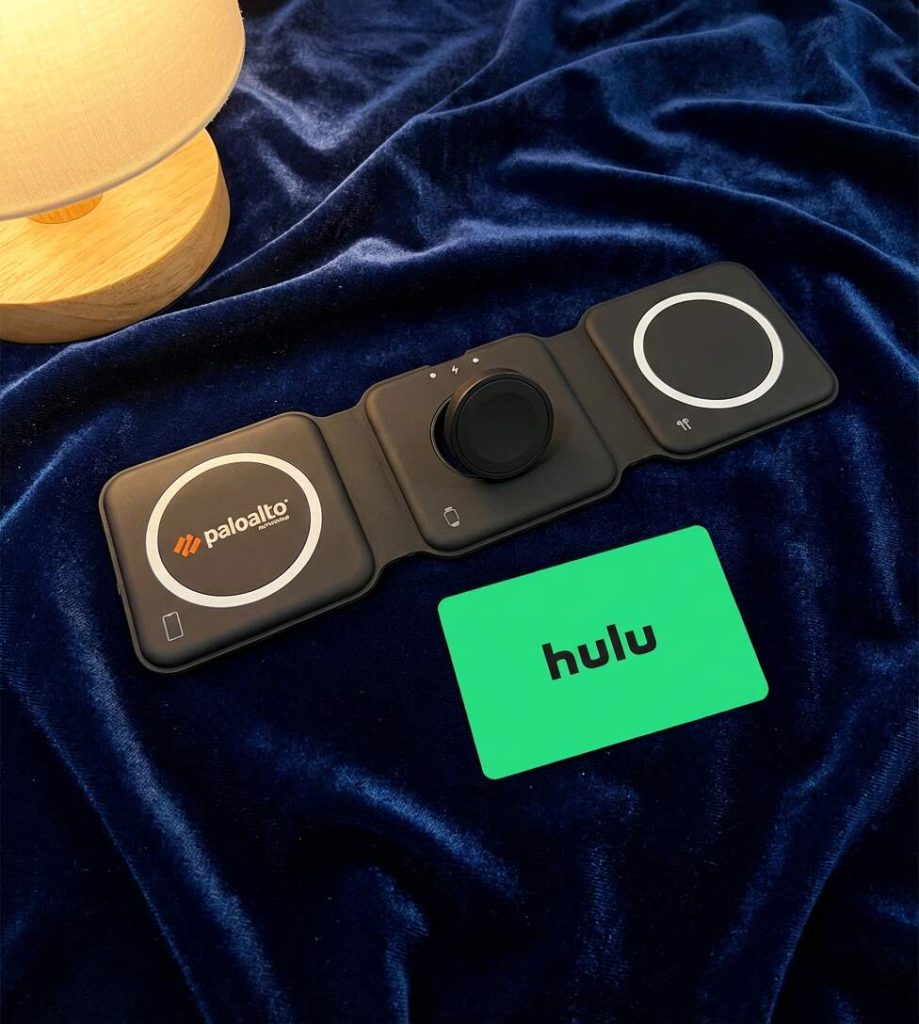
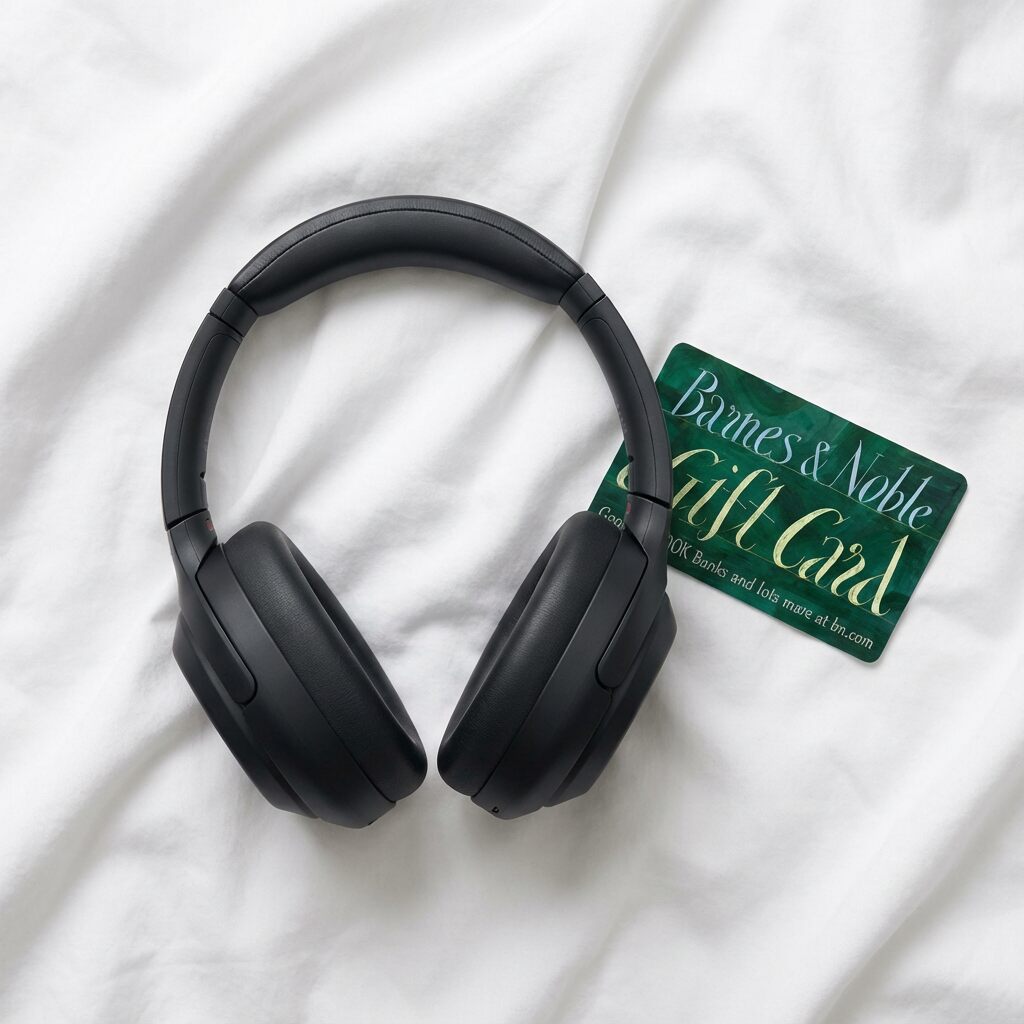
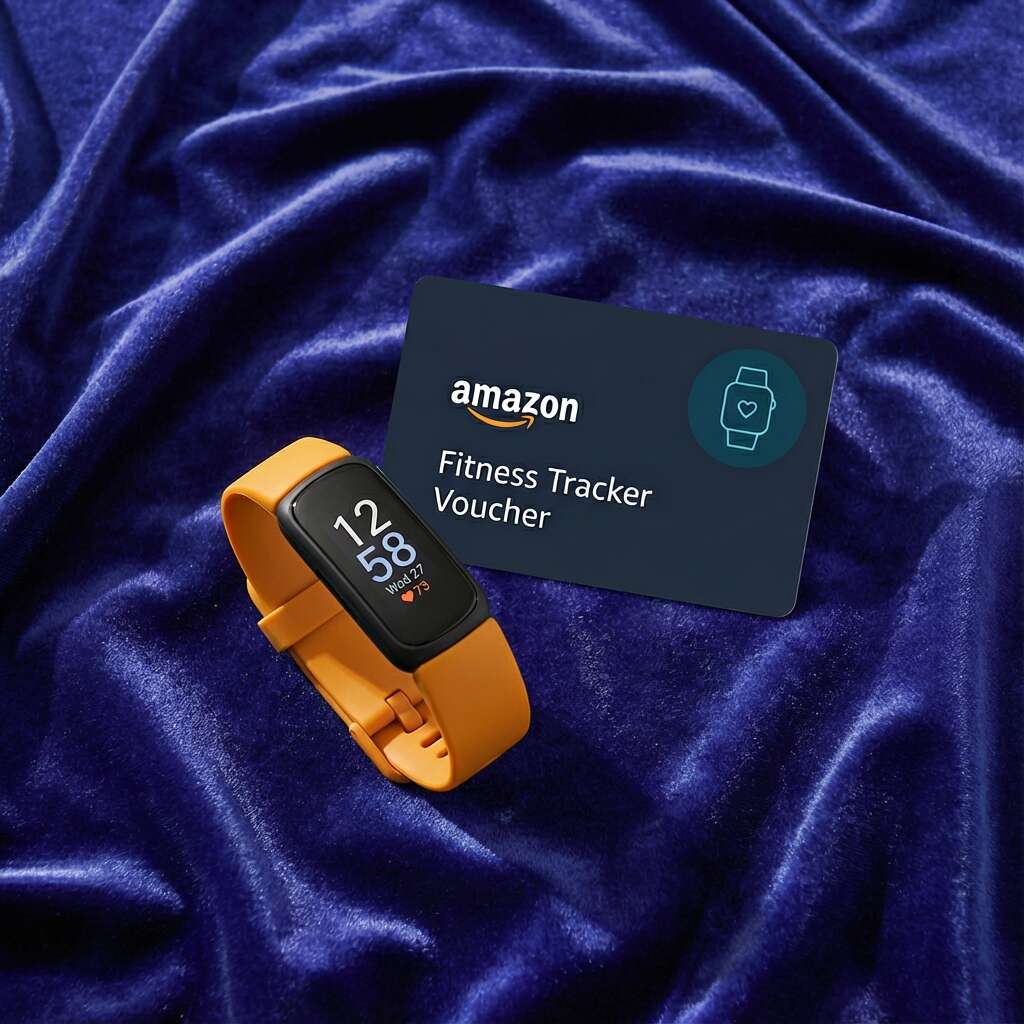
The flow looks like this:
- They open the box and enjoy the physical gift.
- They notice the QR code or unique link.
- They redeem it and get a second wave of value—an app, a course, a digital resource.
You’re creating two touchpoints from one gift: the unboxing moment and the digital discovery.
Model 3: Choose-Your-Experience Add-On
You can also keep the physical gift simple and let them pick the experience layer.
For example:
- Physical gift: a premium BlinkSwag drinkware set.
- Inserted card: “As part of your holiday gift, pick one of these experiences on us:
- – Virtual escape room with your team
- – Online cooking class.
- – Three months of a meditation app.
- – Donation to a cause you care about.”
This is another place where choice and experience meet.
You set the budget; they choose the experience that fits their life.




Physical vs Digital vs Hybrid: A Simple Comparison
Here’s a simple, conceptual way to think about the trade-offs:
Model | Example | Perceived Value | Connection Level | Best For |
Physical-only | Hoodie + mug | Medium | Medium (short-lived) | Large teams, tight budgets |
Digital-only | E-gift card only | Low–Medium | Low (quick, transactional) | Last-minute, transactional touches |
Hybrid | Box + virtual event or digital unlock | High | High (shared memory) | Remote teams, key clients, and managers |
Hybrid gifts usually cost more per person than a simple hoodie or mug.
However, they also tend to generate more conversation, share more stories, and foster more goodwill.
How BlinkSwag Fits in Hybrid Gifting
This hybrid approach can be surprisingly manageable when you have the right partner:
- Pre-curated “event in a box” kits with all the logistics handled.
- Packaging designed for both unboxing videos and practical reuse.
- Room for your brand in both the physical and digital elements.
Optional QR codes or cards that link to your chosen digital experiences, portals, or thank-you messages.
Practical takeaway:
Utilize hybrid gifting where relationships matter most—such as with remote teams, long-tenured employees, and strategic clients.
Use physical-only when you need broad coverage on a tighter budget.
Holiday Budget Benchmarks: How Much to Spend per Recipient in 2025–2026

Once the intelligence layer is in place—choice, culture, and hybrid experiences—the next question shows up fast:
“Okay, but how much should we actually spend?”
There’s no universal magic number, but there are practical ranges that keep you competitive, respectful, and compliant without overshooting.
Think of budgets across two dimensions:
- Who you’re gifting (employee, manager, client, strategic partner)
- What role does the gift play (broad appreciation vs. relationship-defining moment)
Here’s a simple way to frame it for Christmas and New Year gifting:
Holiday Budget Benchmarks
- Employees (individual contributors):
- Typical range: $25–$50 per person
- Lower end for huge teams or lighter-touch recognition
- Higher end when adding hybrid elements or single-box experiences
- Managers/team leads:
- Typical range: $50–$100
- These are often your culture carriers; going a little deeper here can send the right message.
- Regular client accounts:
- Typical range: $50–$150
- The higher side makes sense when the annual revenue or lifetime value is substantial.
- Strategic/key accounts and executive leadership:
- Typical range: $100–$250+
- This is where curated, thoughtful gifts or hybrid experiences make the most sense, not random luxury items.
As a broad guide:
Most companies take Christmas and New Year’s gifting seriously, allocating a budget of $25 to $75 per recipient, with higher investments reserved for VIP clients and executive-level relationships.
Rather than fixating on “the right number,” match each budget band to:
- Your overall headcount or client list
- The role that the group plays in your business
- Whether you plan to use choice-based gifting, hybrid experiences, or simple physical gifts
Once that’s clear, tiers start to feel less arbitrary and more like a strategic approach to holiday gifting, rather than a shopping spree.
Gift Ideas by Tier (With Choice & Hybrid Flags)

With the framework and budget ranges in place, you can finally tackle the question everyone asks first:
“So what should we actually send?”
The answer depends on tier and context—but the intelligence layer still guides every decision.
Tier 1: Under $25 — Safe, Useful, Culturally Neutral
This tier is your “wide coverage” lane. Perfect for:
- Large employee populations
- Frontline staff
- High-volume partner lists where a thoughtful token is appropriate
Ideas that usually work well in this band:
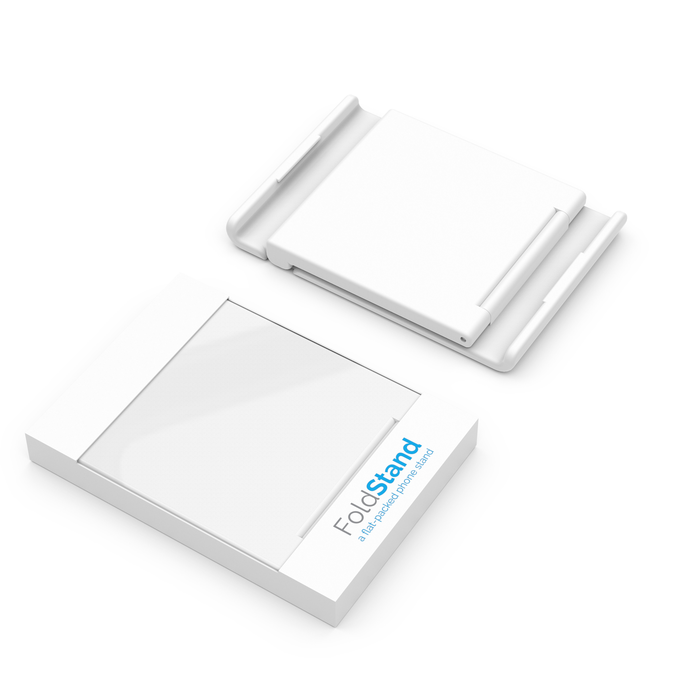
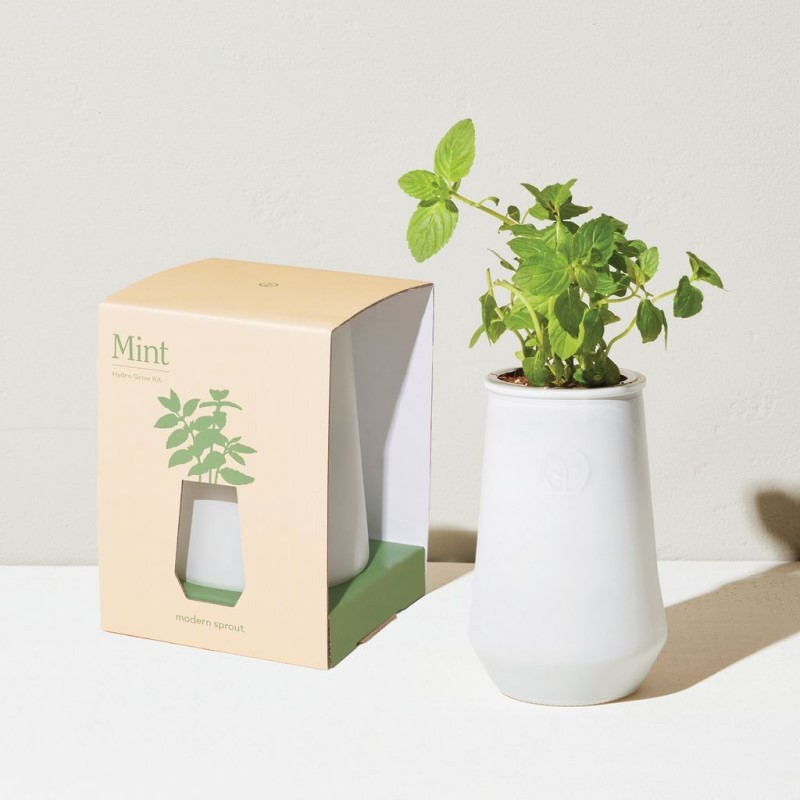
- Practical desk items (mouse pads, organizers, phone stands)
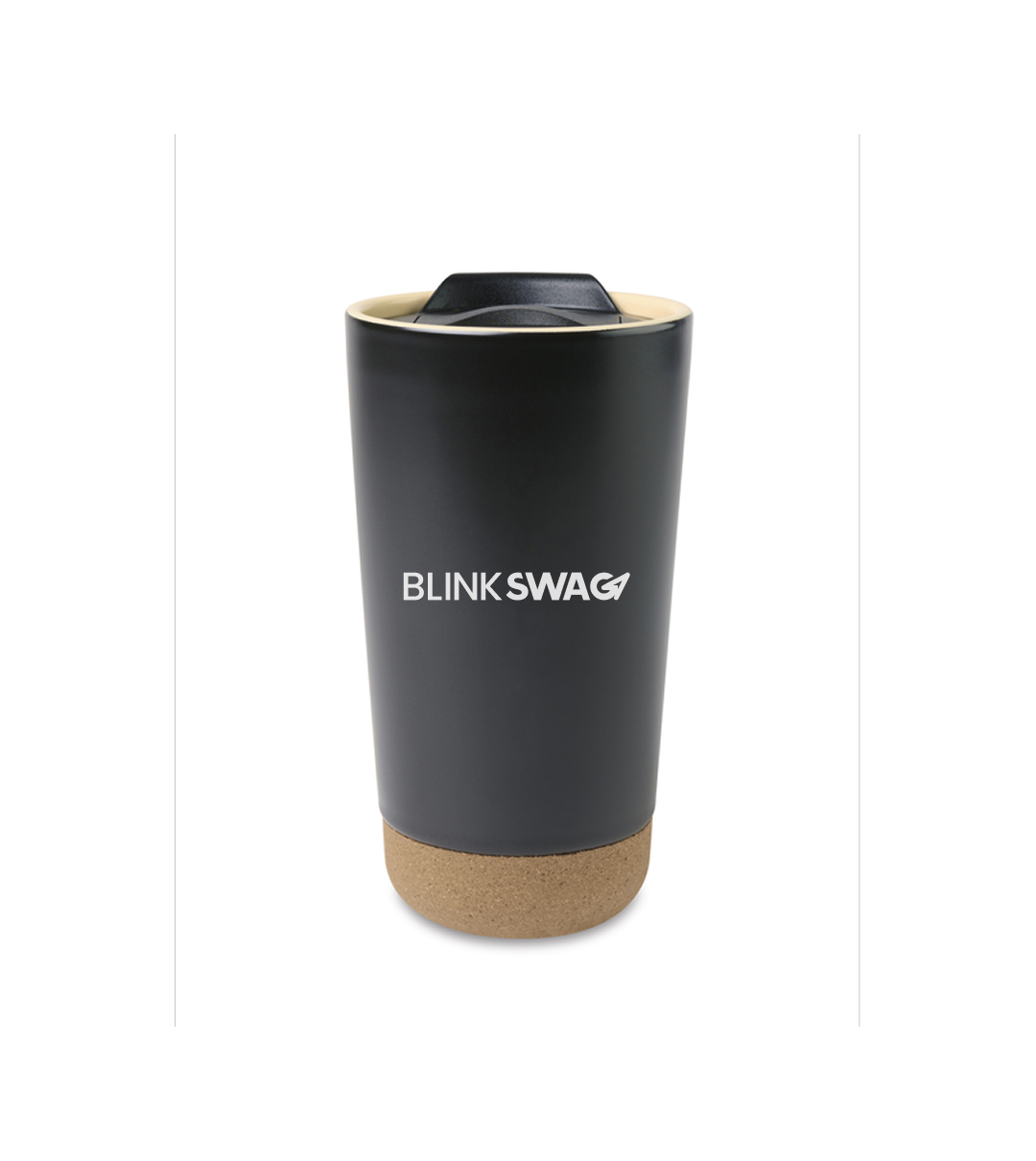
- Quality mugs or basic drinkware with understated branding
- Simple holiday treat packs (with clear ingredient labels and non-alcoholic options)
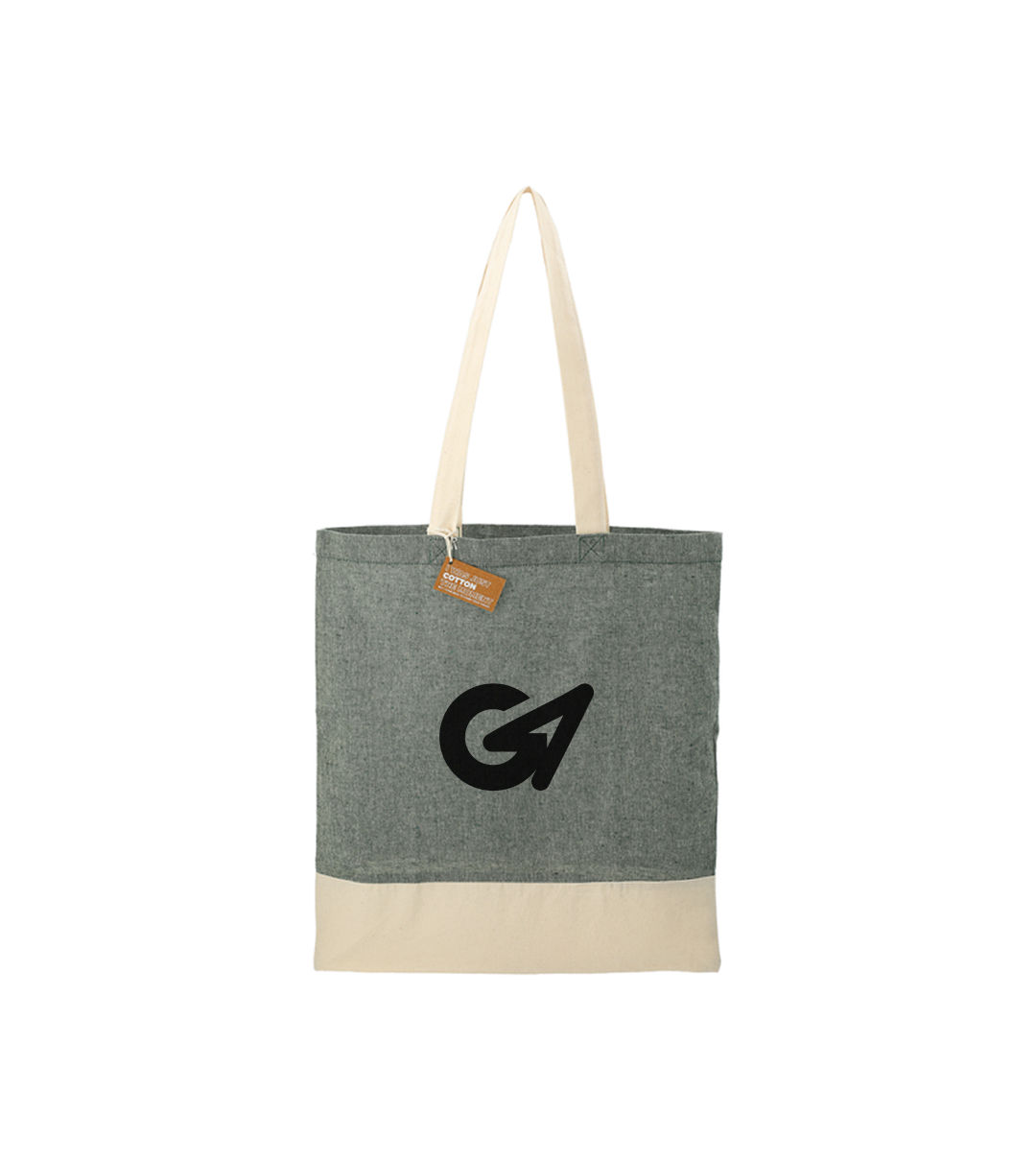
- Reusable tote bags or small WFH accessories
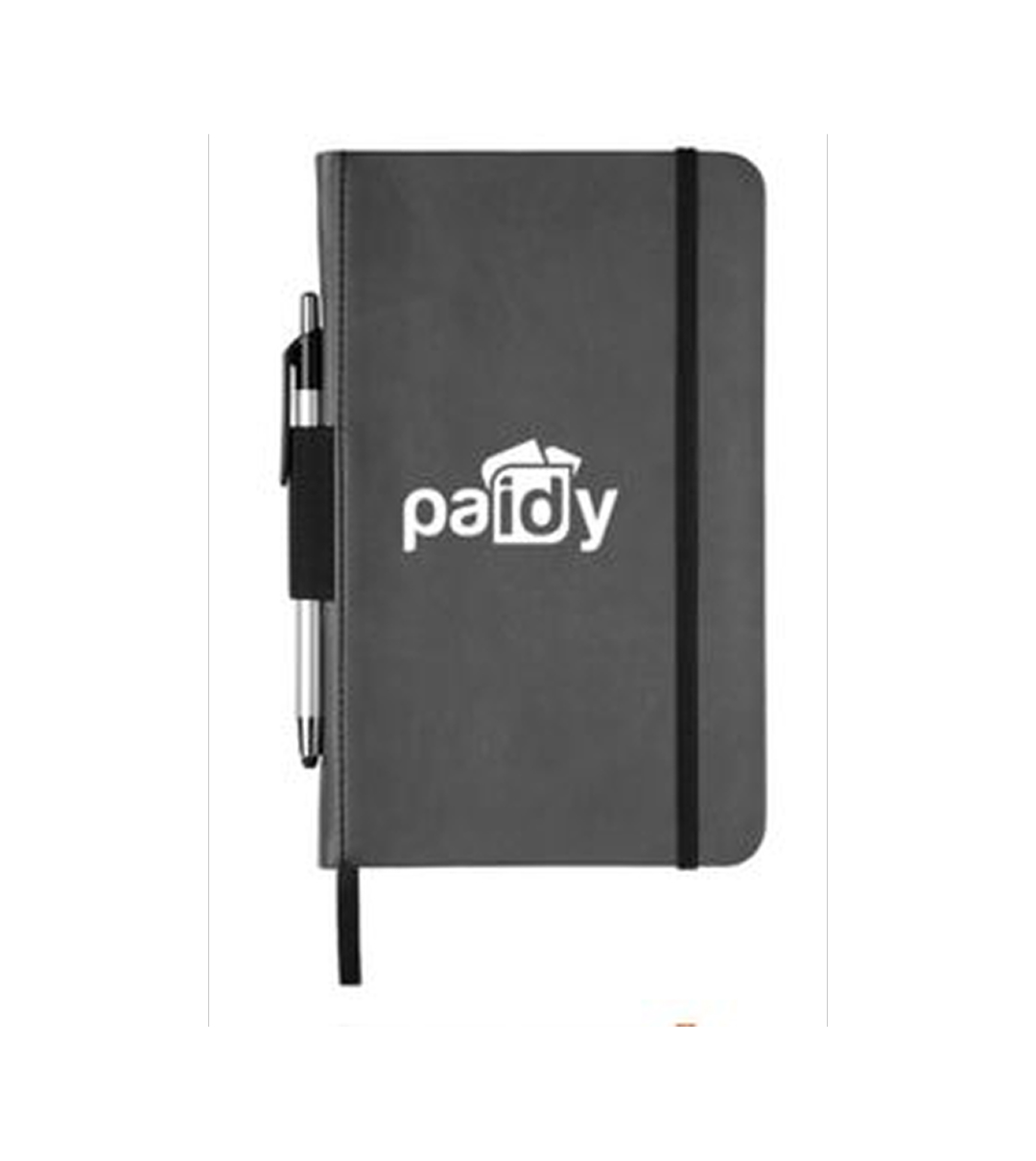
- Notebooks and pen sets that actually feel nice to use



Where possible, lean toward:
- Culturally safe categories like tech accessories, stationery, and neutral snacks
- Simple, recyclable packaging rather than glossy, waste-heavy wraps
Choice platforms can still help at this tier—especially for:
- Different color preferences
- Slightly different kit combinations (for example: coffee vs. tea vs. snacks)
However, the primary goal at this level is equitable and practical recognition that doesn’t feel thoughtless.
Tier 2: $25–$50 — The Sweet Spot for Most Teams
This is the range where Christmas and New Year gifts start to feel more considered without straining budgets.
Best suited for:
- Most employees in companies with 50–500 staff
- Client contacts where you want more than a token gesture
- Remote teams where gifts double as WFH upgrades
Ideas that tend to perform well:
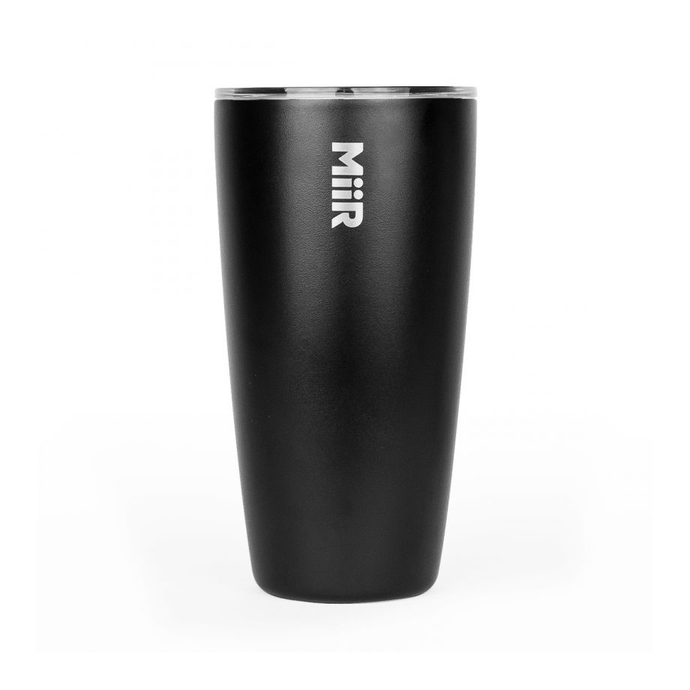
- Premium insulated drinkware sets that work year-round
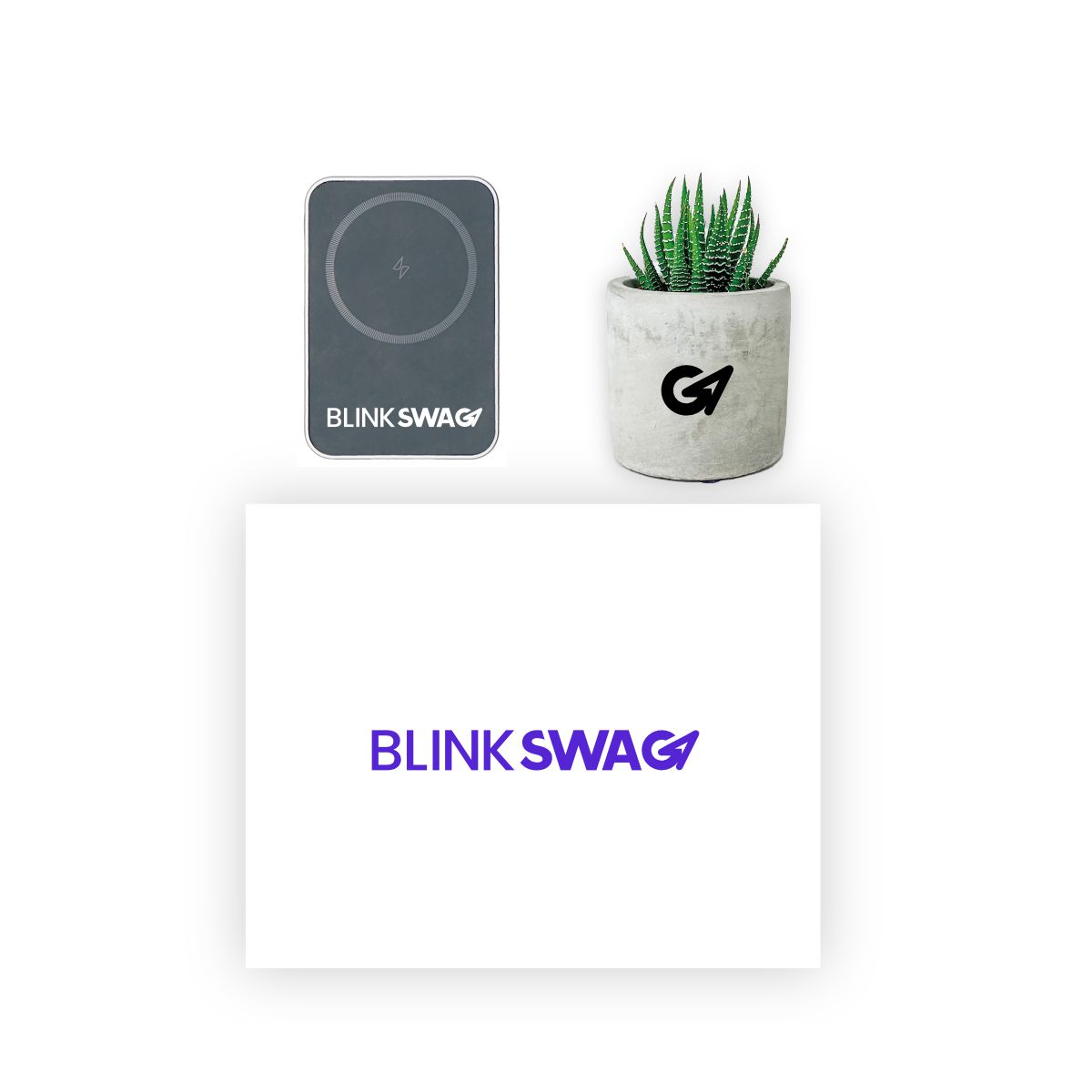
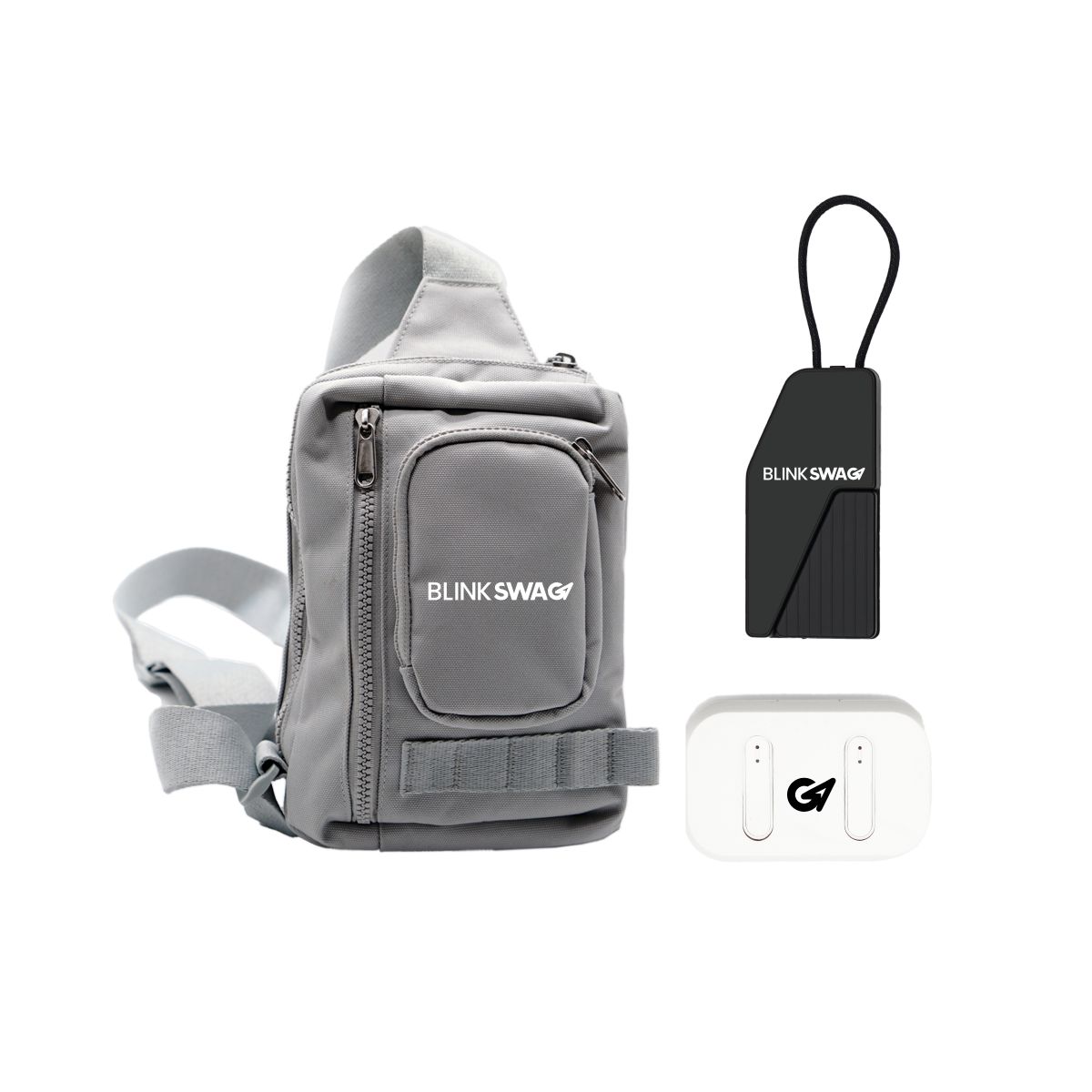
- Wireless chargers, stands, or cable organizers
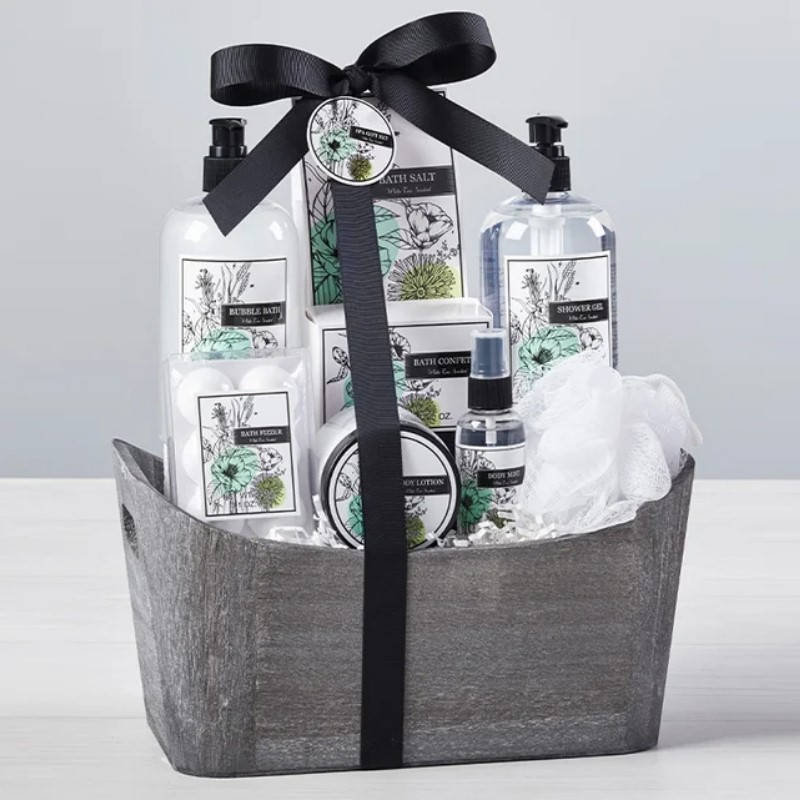
- Compact wellness kits (candle + tea + eye mask, for example)
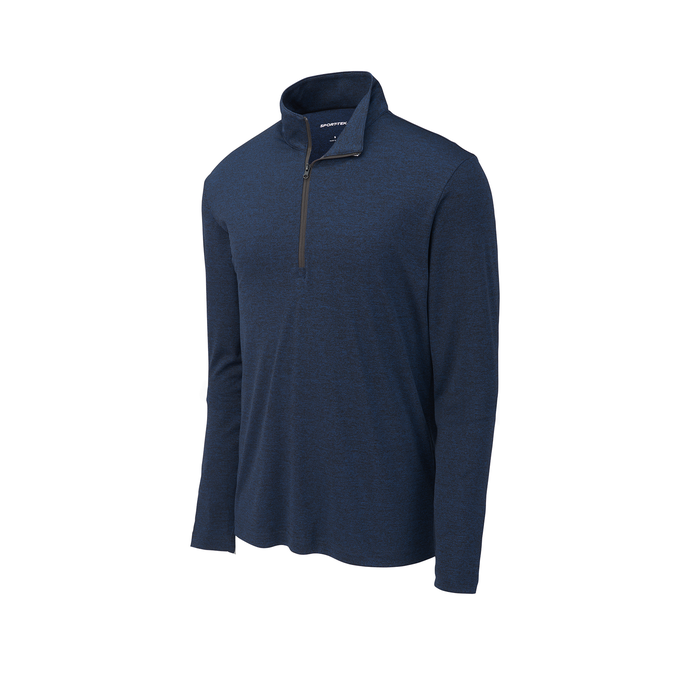
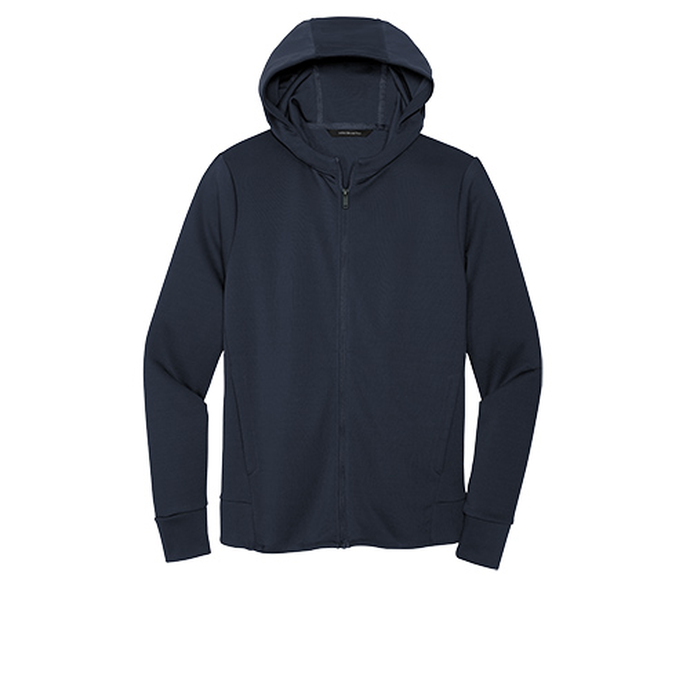
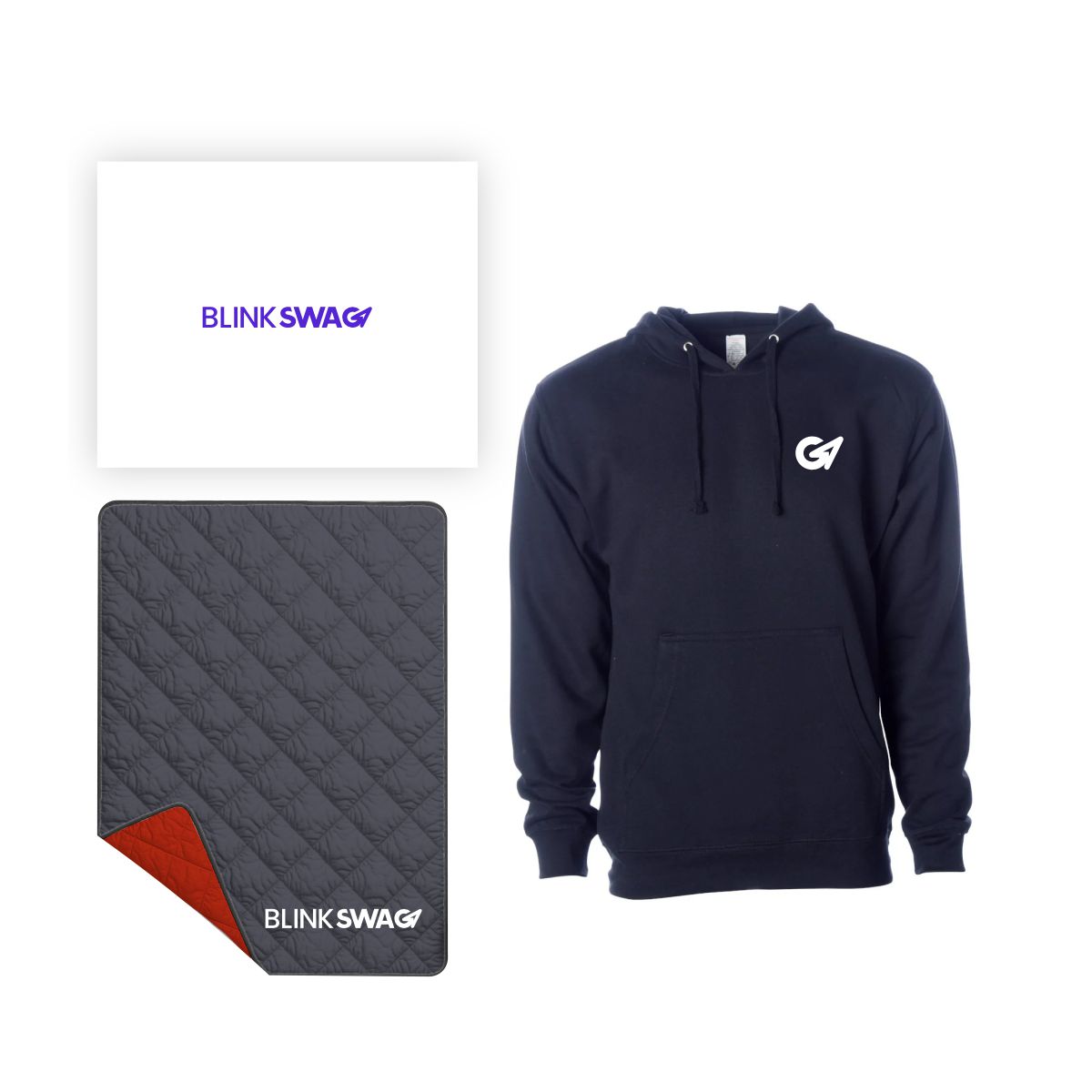
- Branded hoodies, quarter-zips, or fleeces (if you have size data)
- Small subscription samplers (30-day coffee, tea, or wellness box)


This is where choice-based gifting really starts to shine:
- Some people want cozy; others wish to tech.
- Some will be thrilled with a hoodie; others would never wear branded apparel outside.
Letting people pick within a curated $25–$50 collection keeps:
- Your brand consistent
- Your budget fixed
- Their experience personal
Hybrid elements can begin here, too, such as:
- A physical box plus a short-term app subscription
- A drinkware set plus a small digital voucher for a coffee experience
Tier 3: $50–$100 — The Hybrid-Optimized Zone
This range enables you to create genuinely memorable experiences without straying into “luxury-only” territory.
Best for:
- Long-tenure employees
- Managers and team leads.
- Mid-tier client relationships you want to deepen
- Distributed teams where shared moments are challenging to create
Example directions:
- Home office upgrade kits (lamp + organizer + cable management)
- Higher-end wireless headphones or speakers
- Weighted blankets, premium throws, or cozy bundles for winter climates
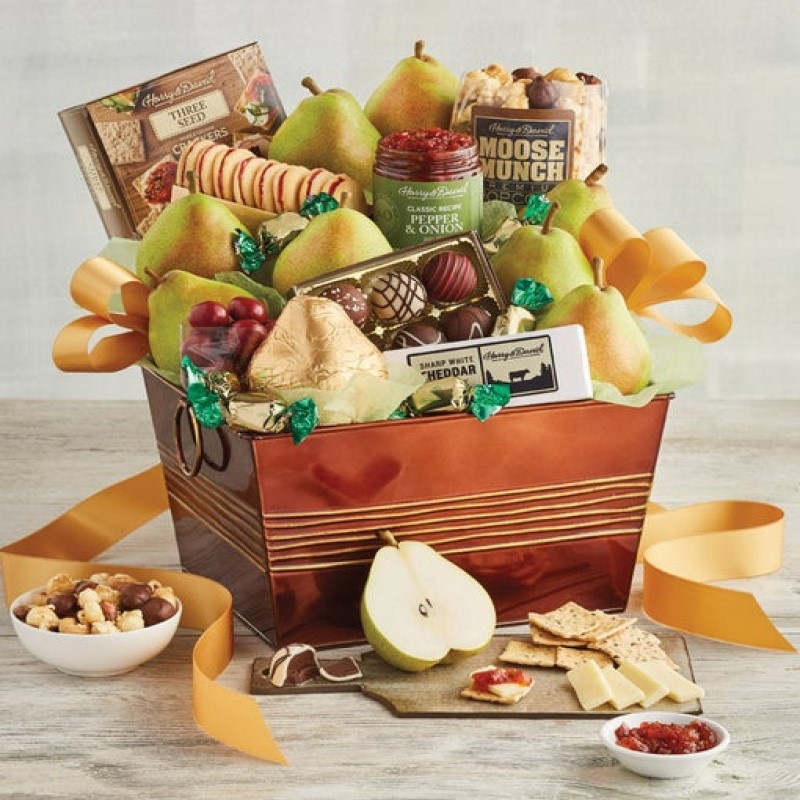
- Multi-month subscription boxes (coffee, snacks, wellness, hobby kits)






Hybrid gifting fits naturally at this tier:
- Cocktail kit + live or on-demand mixology session
- Coffee sampler + virtual tasting with a roaster
- Art kit + guided painting event
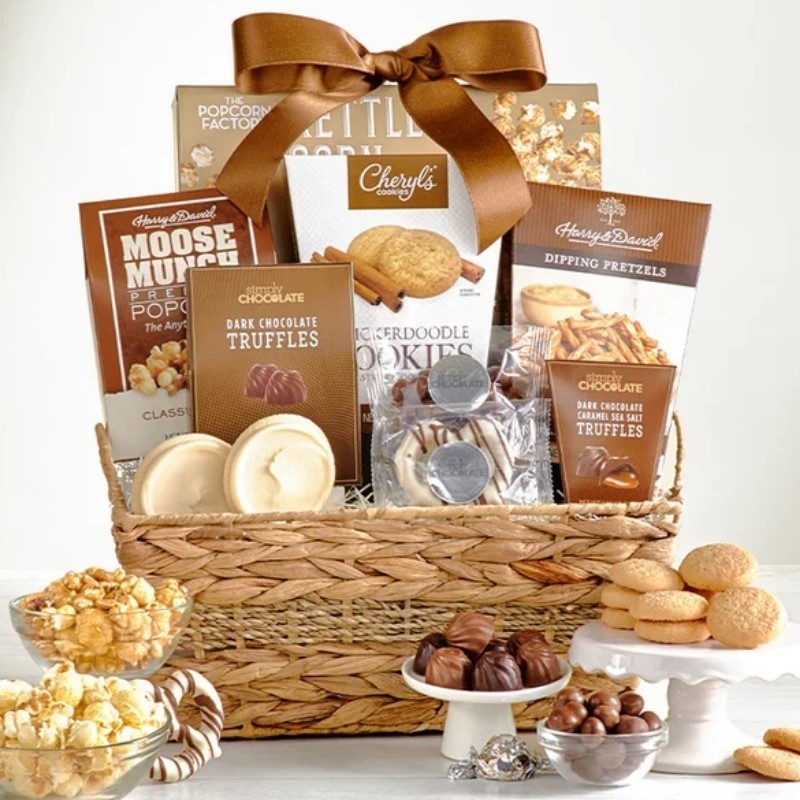
- Snack box + curated game night or virtual trivia
You’re not just sending stuff, you’re sponsoring a moment.
Choice-based platforms can still support this tier:
- Let recipients pick whether they want a hybrid “event in a box,” a tech upgrade, or a comfort-focused package.
- Capture data on which category different segments gravitate toward.
Tier 4: $100+ — Executive & Strategic Account Gifts
This tier isn’t about being flashy. It’s about signaling depth and intent.
Best for:
- Executive leadership
- Strategic or high-lifetime-value client accounts.
- Board members or major partners
Some directions that work well here:
- Curated wine or gourmet food crates, which are culturally appropriate
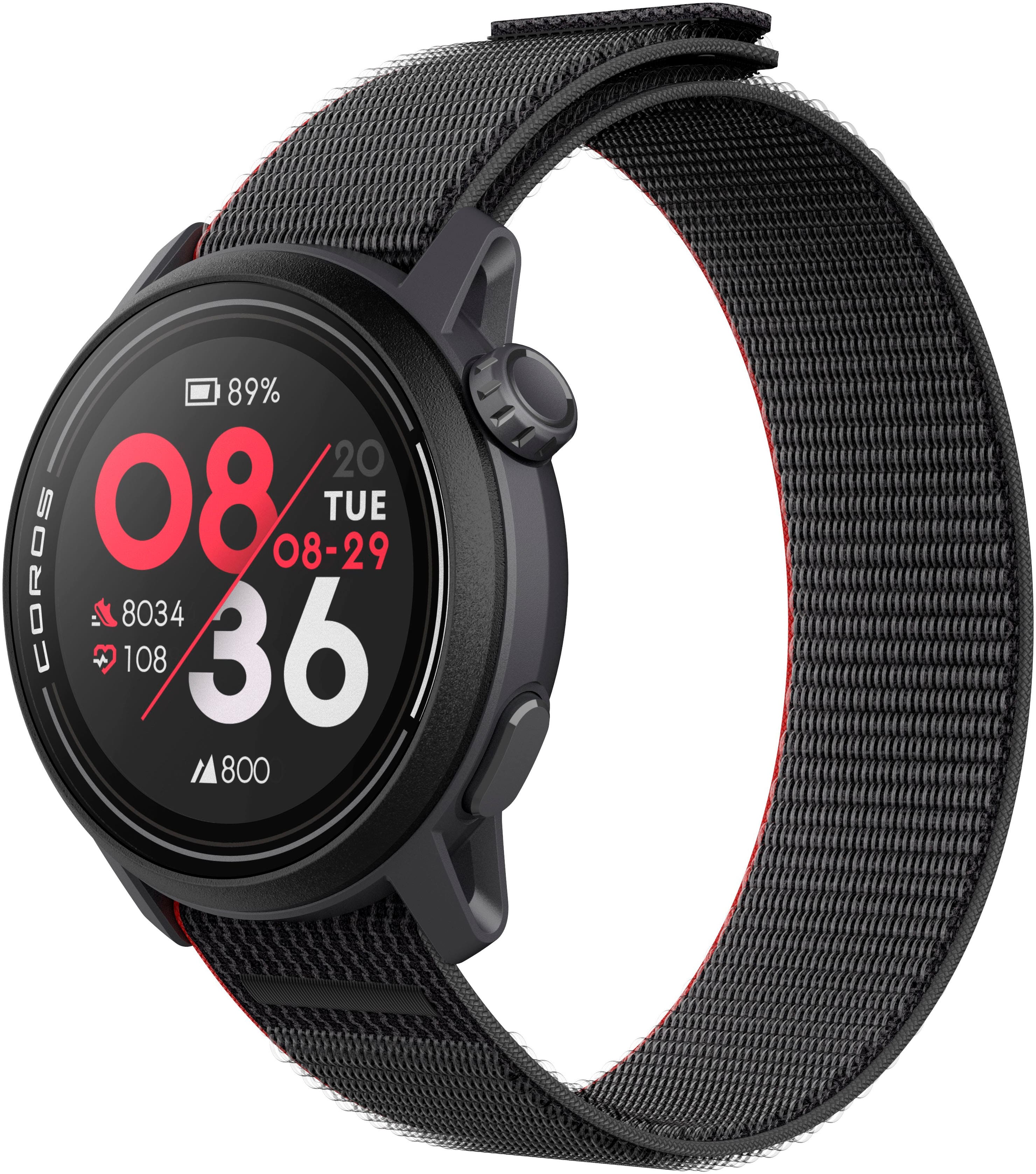
- Premium audio equipment, watches, or high-end desk accessories
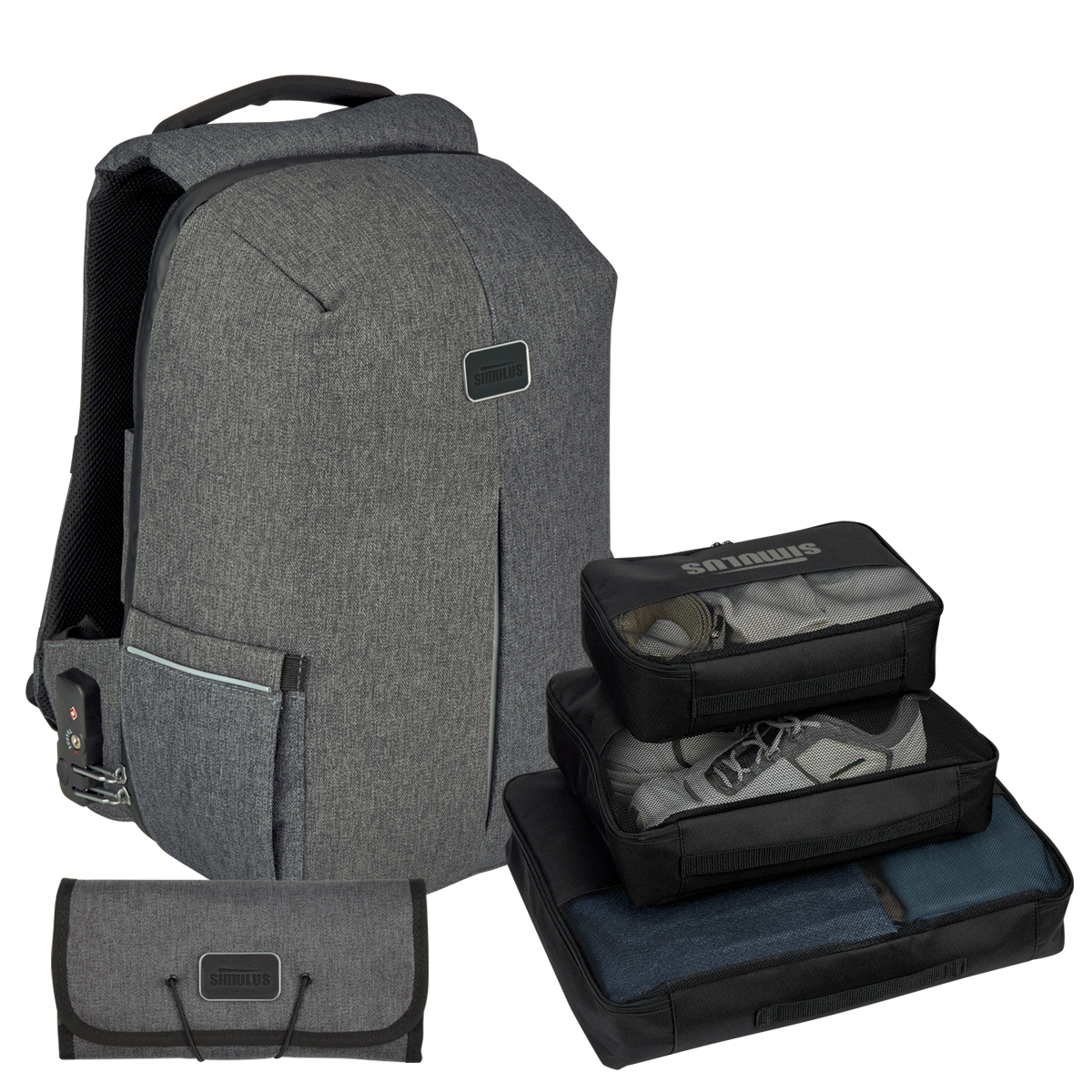
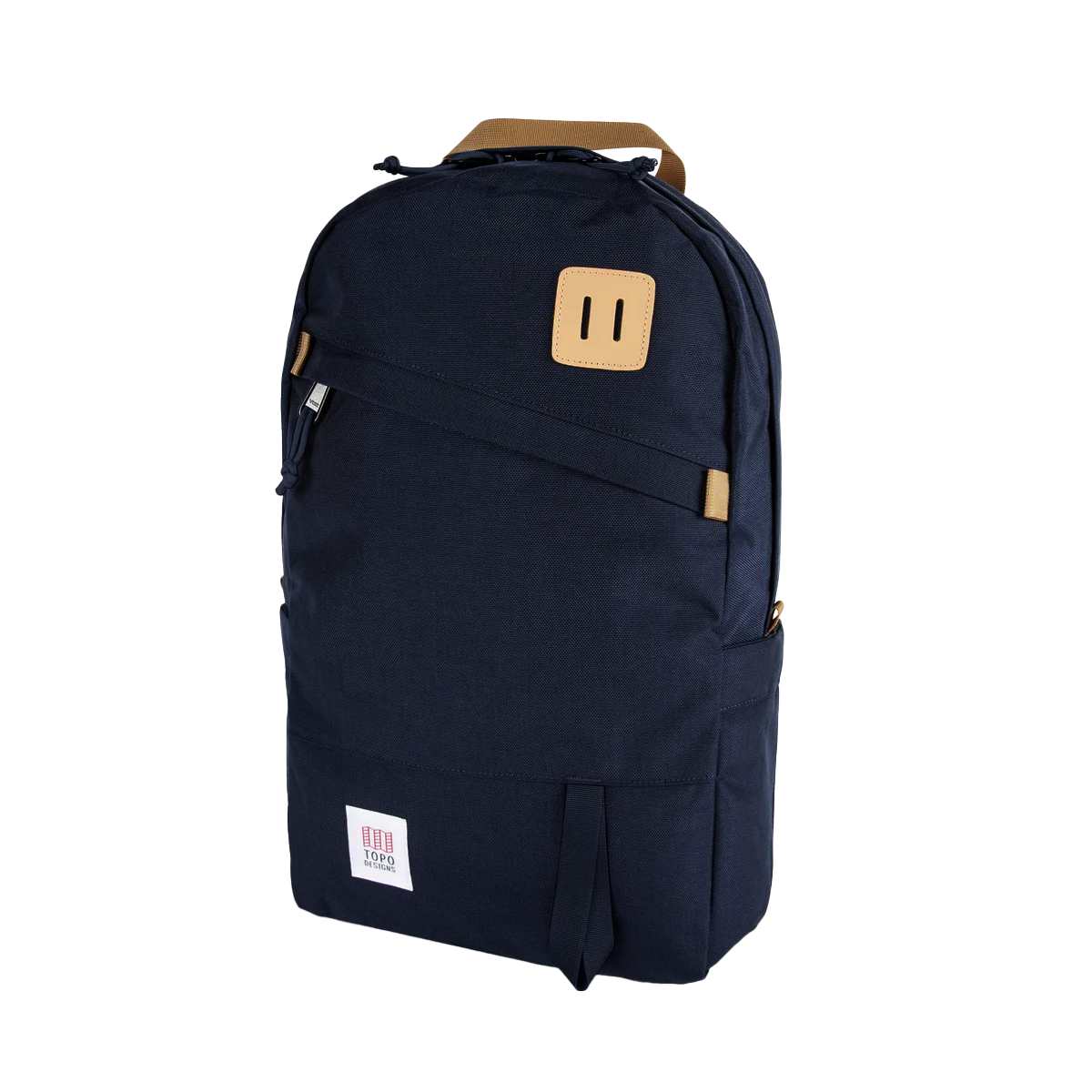
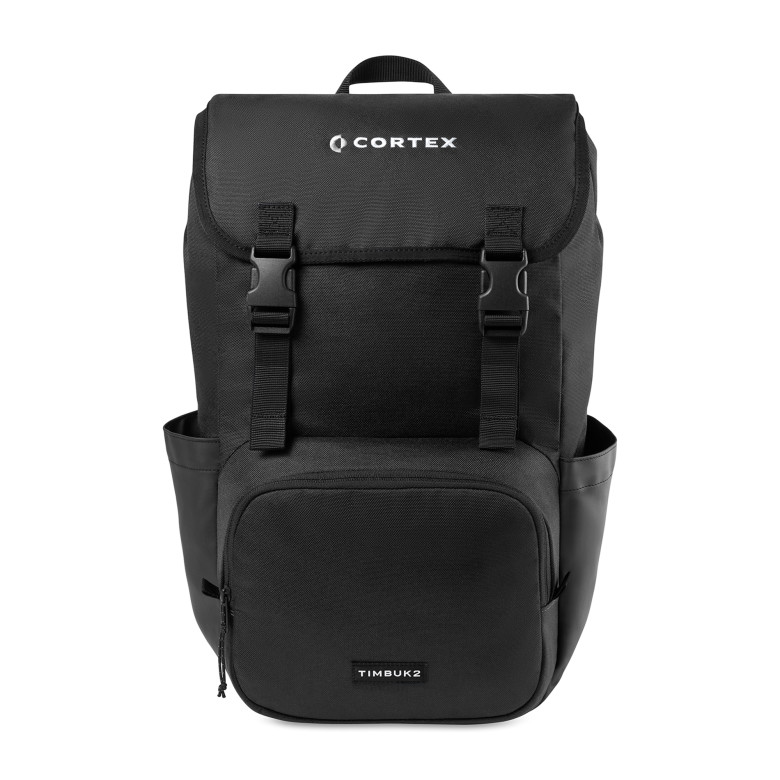
- High-quality weekender bags, backpacks, or luggage pieces
- Experience-forward gifts: special dinners, event tickets, curated tours
- Paired sets: a lasting physical object plus a meaningful experience or donation





In this band, fully curated gifts often work better than pure choice:
- A carefully selected gift, accompanied by a handwritten note and thoughtful packaging, can convey more than a catalog full of options.
- The cultural and compliance framework should be applied rigorously here; mistakes are amplified at higher price points.
Hybrid also works beautifully at this tier:
Consider pairing a physical object (for example, a premium office item) with:
- A learning experience
- A retreat credit
- A charitable sponsorship aligned with their values
A Quick Way to Map Tiers to Strategy
Think of each tier not just as a number, but as a strategy lane:
- Under $25 → Coverage and fairness
- $25–$50 → Thoughtful, scalable personalization
- $50–$100 → Memorable hybrid experiences
- $100+ → Curated relationship signals
When you map your recipients to these lanes, Christmas and New Year gifting stops feeling random and starts feeling intentional.
Trending Christmas & New Year Categories for 2025–2026
Trends shouldn’t drive your whole strategy, but they can sharpen it.
A few themes are clearly shaping holiday gifting right now:
1. Sustainable & Low-Waste Gifts
More recipients are quietly asking:
“What happens to this packaging after I open it?”
Better sustainable choices here might include:
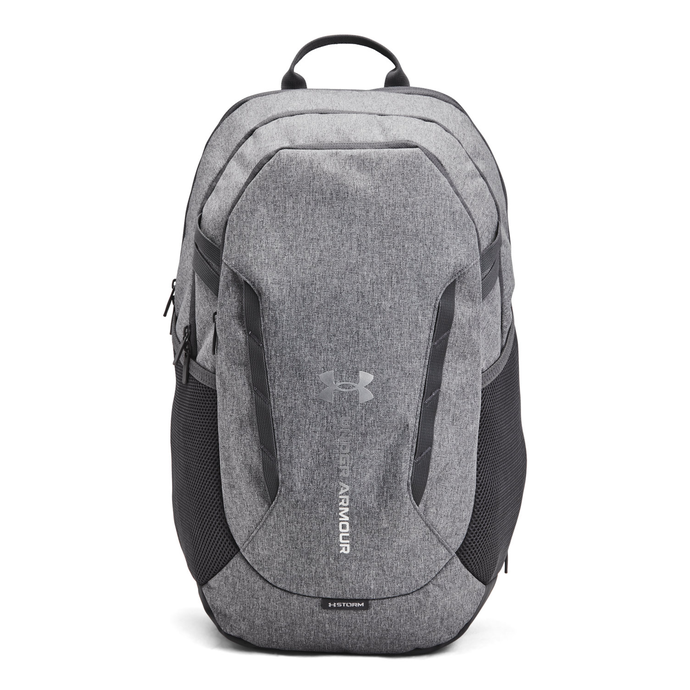
- Reusable or recycled drinkware, bags, and office accessories
- Desk plants or seed kits instead of plastic-heavy decorations
- Packaging that is easy to recycle or reuse, not just impressive for unboxing photos





For Christmas and New Year, this can mean:
- Winter-themed but not overly seasonal items that won’t feel “expired” in January
- Items designed for daily use, not one-time novelty
2. Wellness, Rest & Recovery
Year-end can be both celebratory and exhausting.
That’s why wellness-related gifts often resonate strongly:
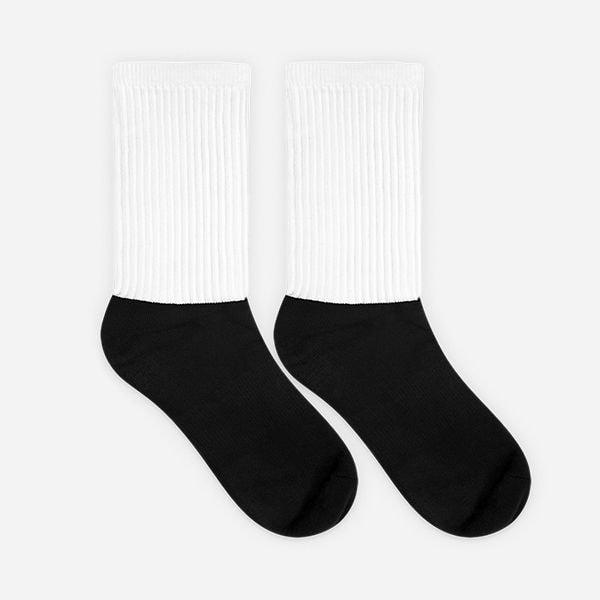
- Cozy blankets, socks, and loungewear
- Aromatherapy kits, candles, or stress-relief bundles
- Short-term subscriptions to mindfulness or sleep apps
- Simple “recharge” kits: tea, journal, pen, eye mask, and a gentle note
Especially when bundled under a message like:
“Rest, recharge, and come back in January with energy—not burnout.”




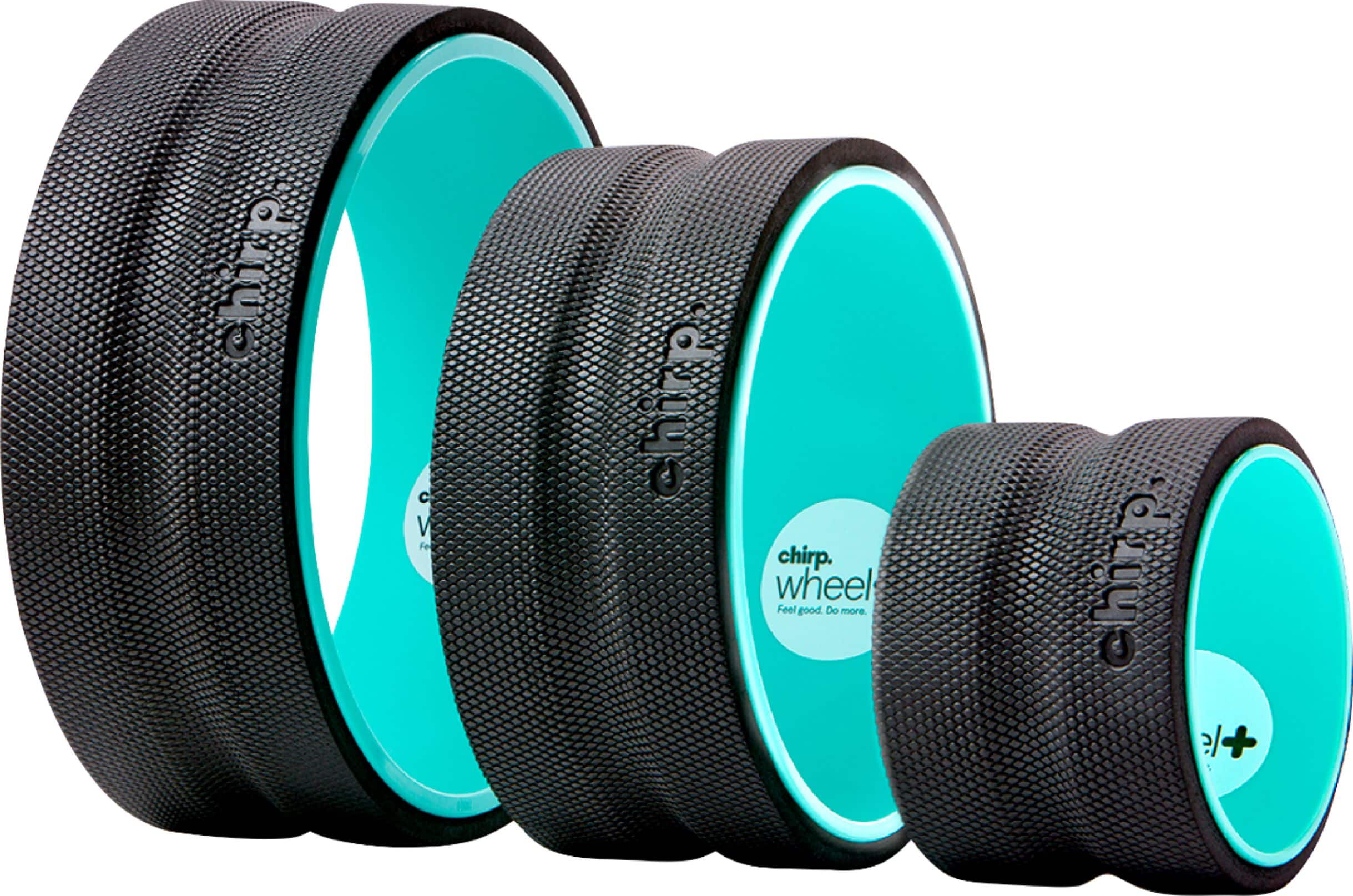

3. Premium but Practical Tech
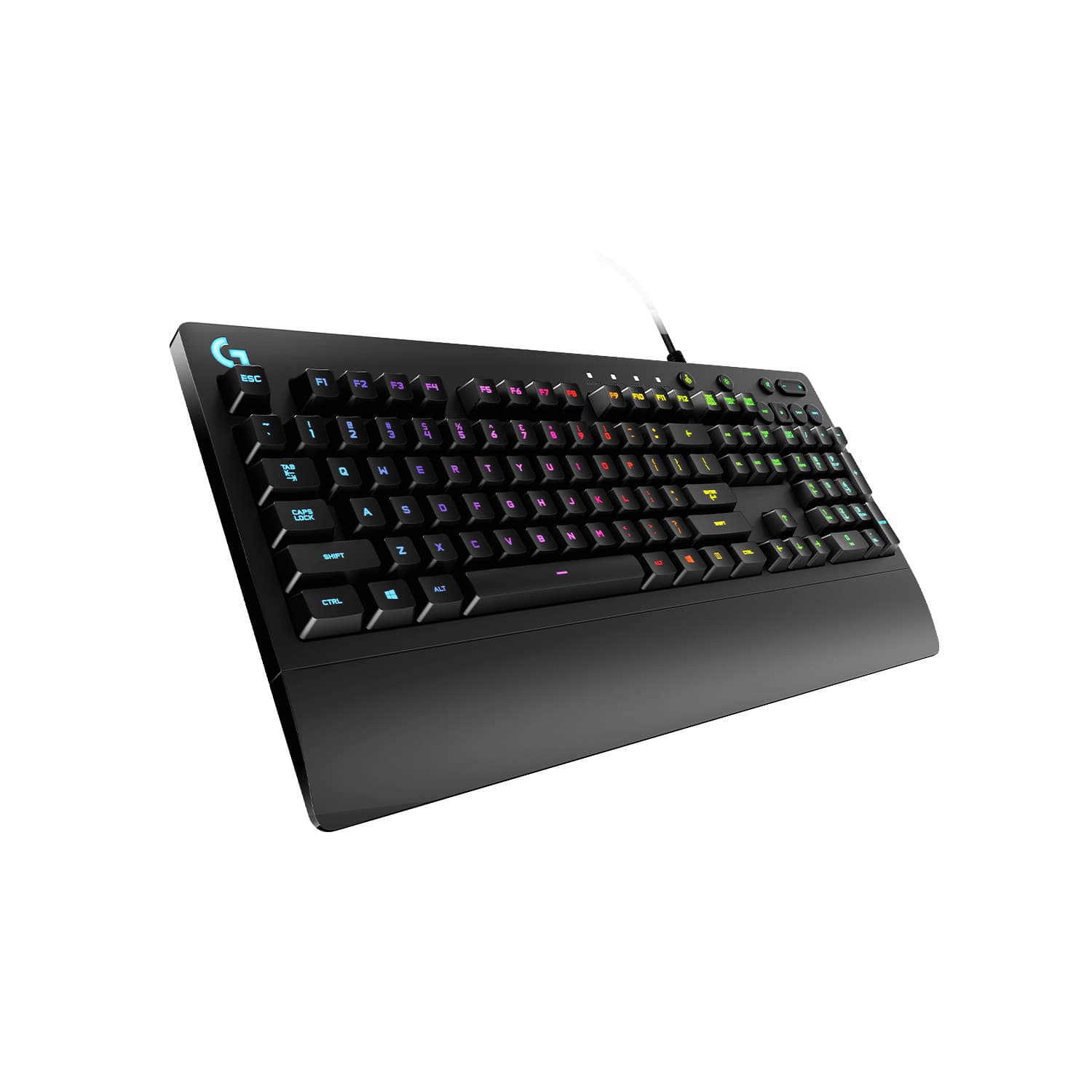
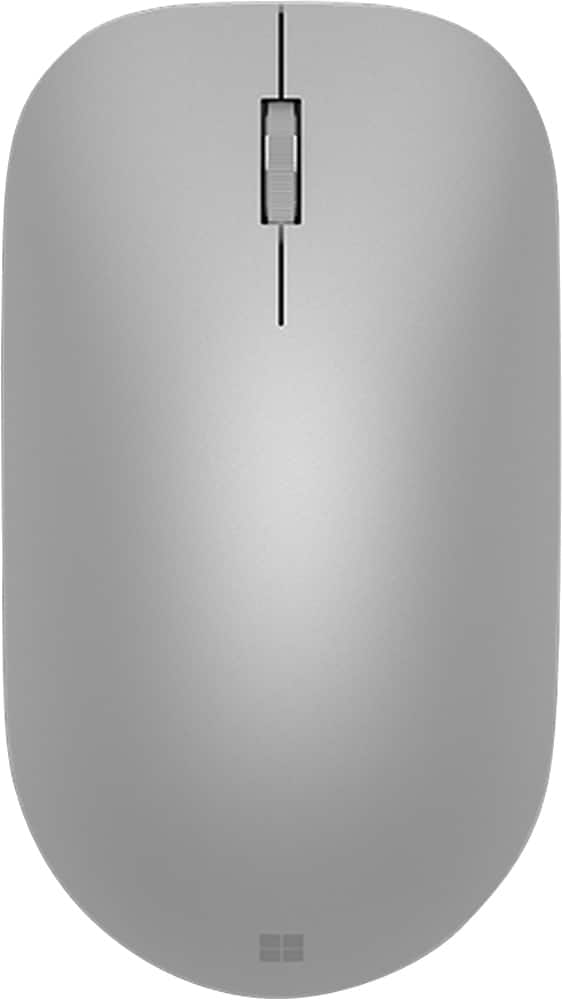
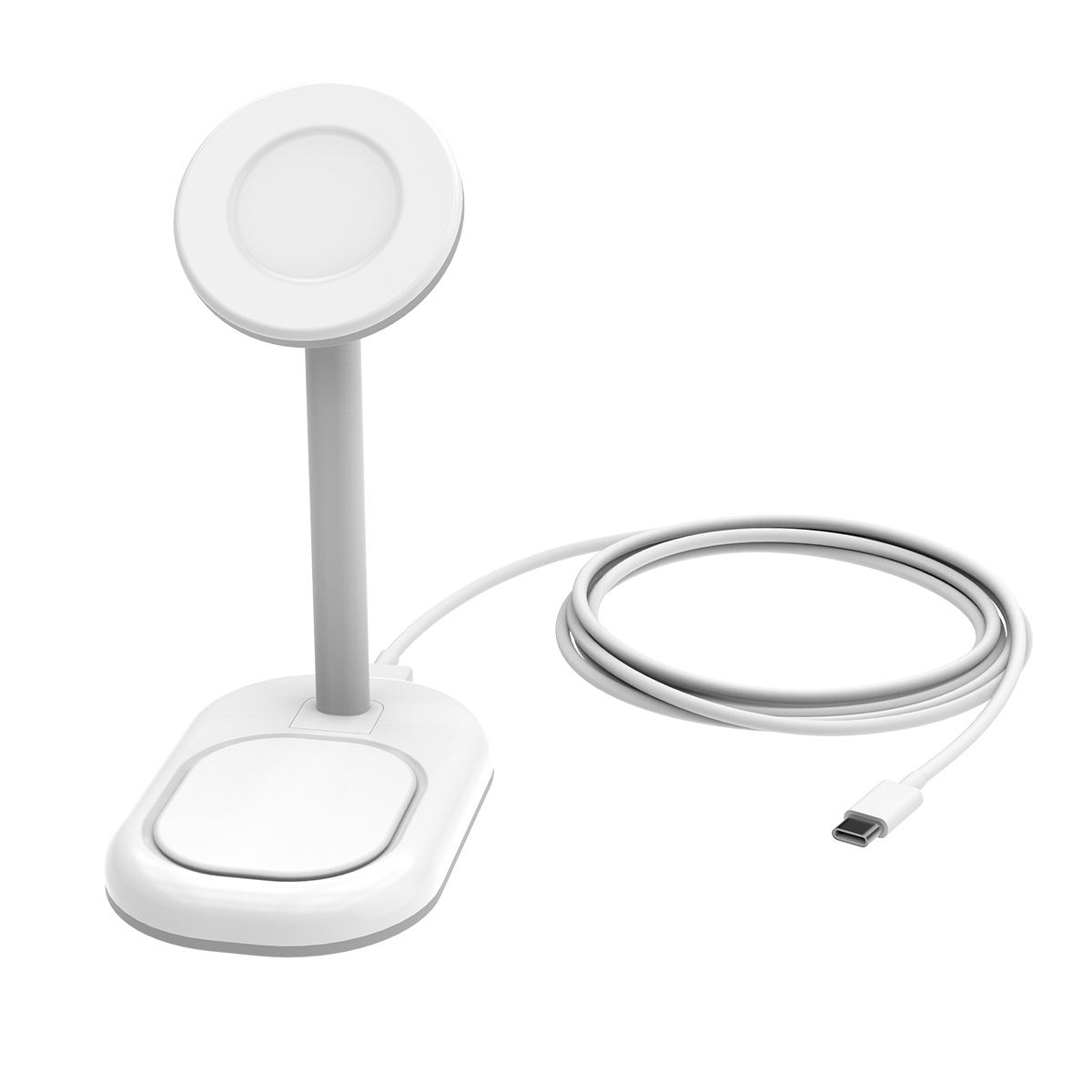
The best tech gifts are the ones that quietly disappear into someone’s daily routine.
Ideas that tend to work:
- Wireless chargers, stands, and docks
- Quality webcams, ring lights, or microphones for remote teams
- Desk-level ergonomic tools like laptop stands or keyboard wrist supports
- Travel-friendly power banks and cable kits
These fit neatly with New Year themes of productivity, focus, and improving work setups.





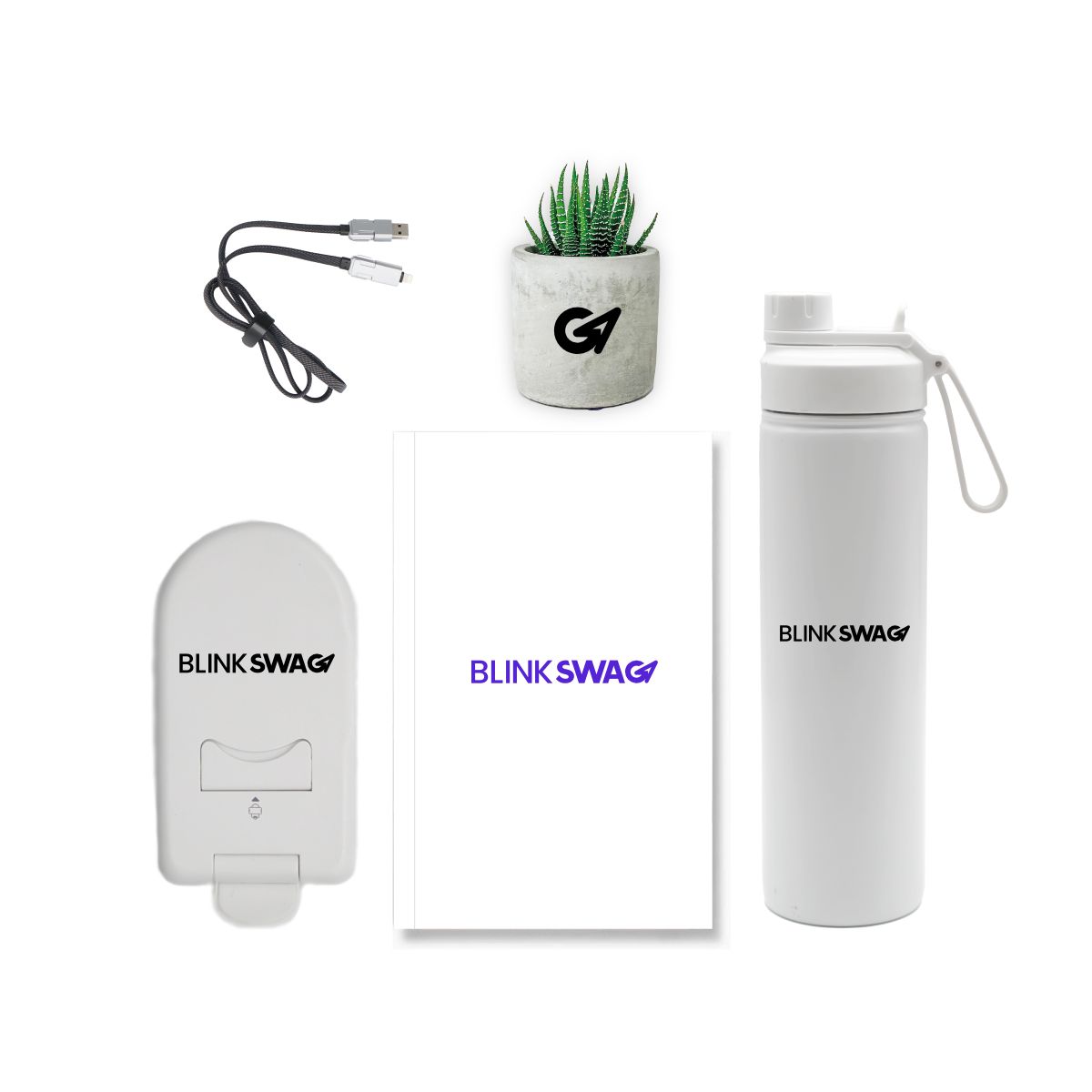
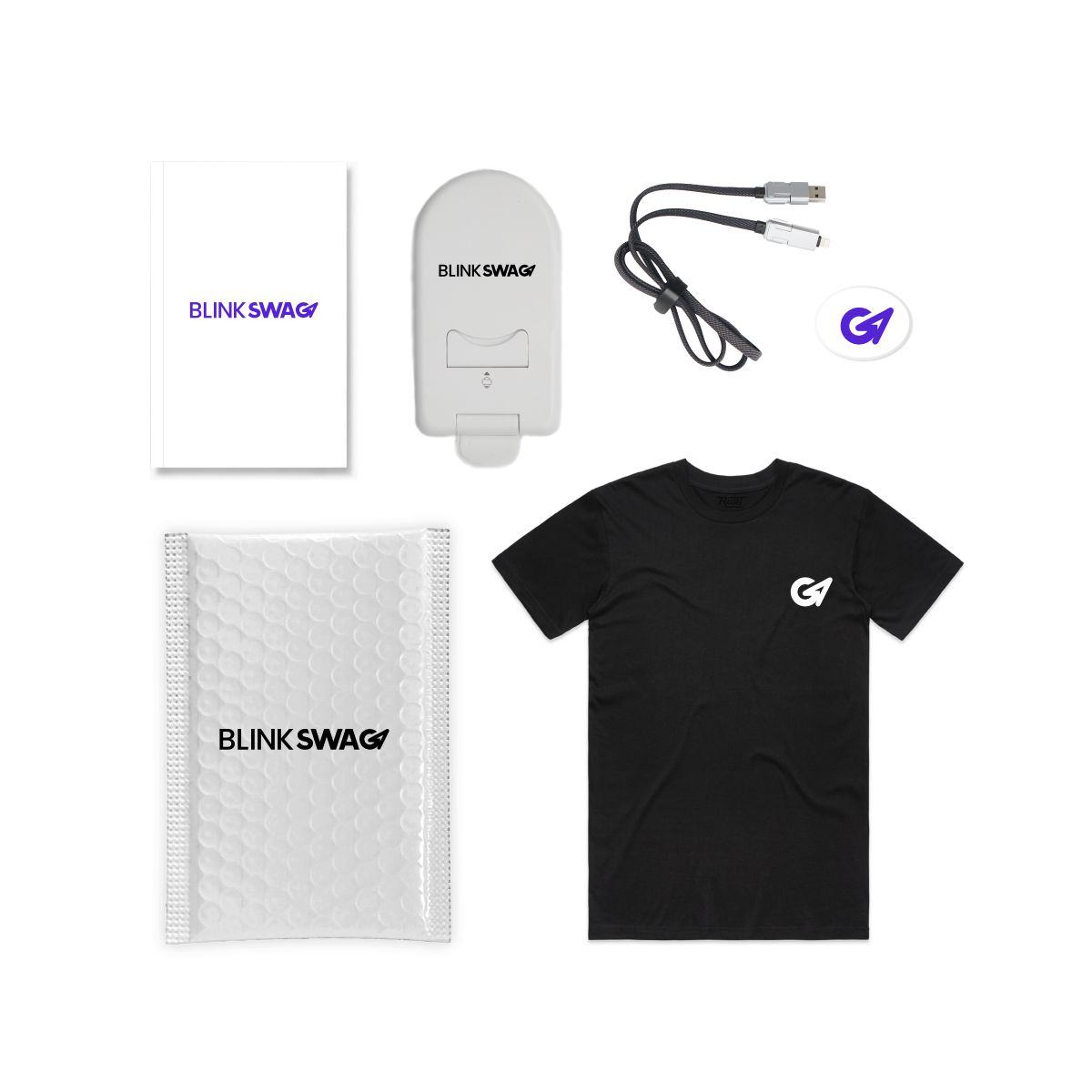
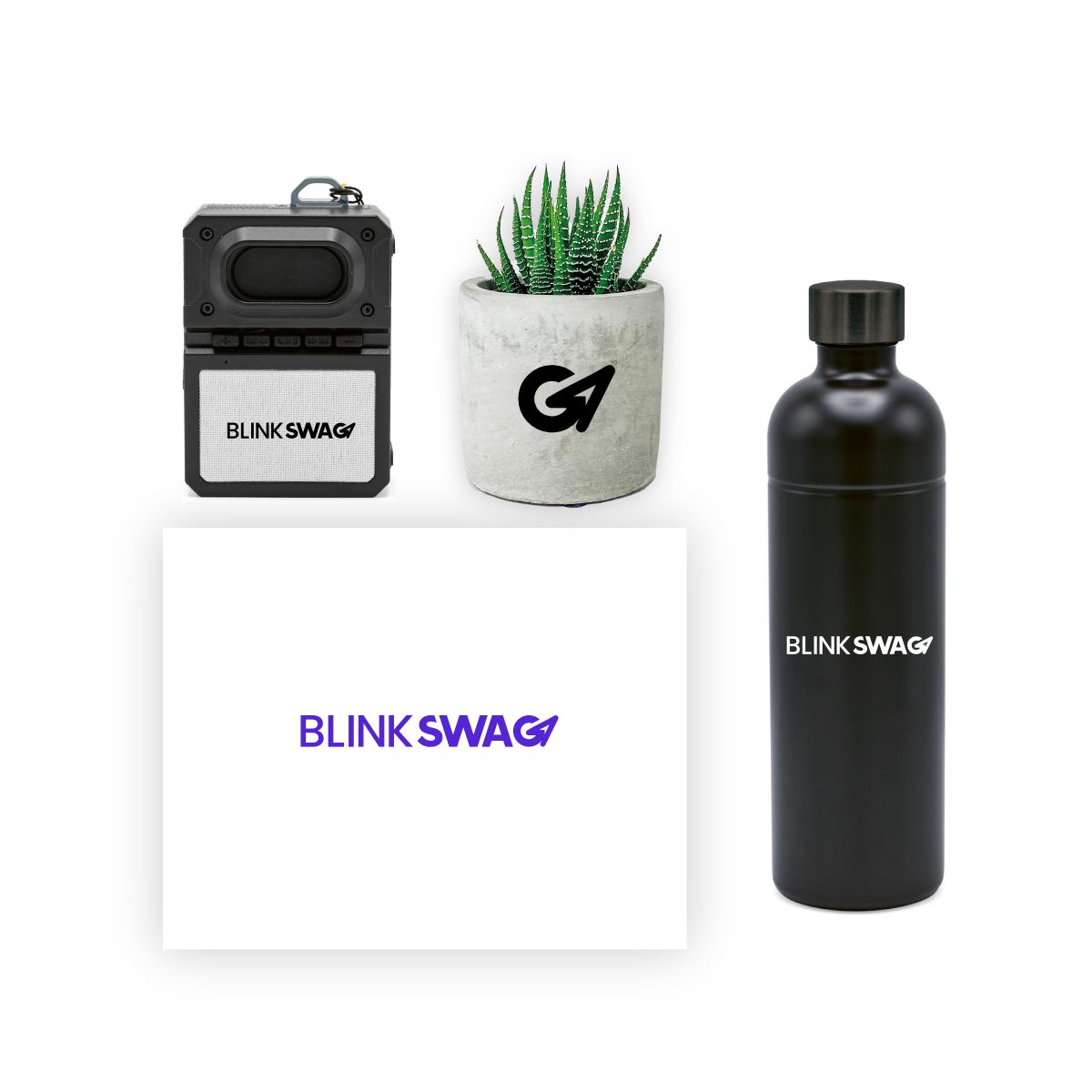
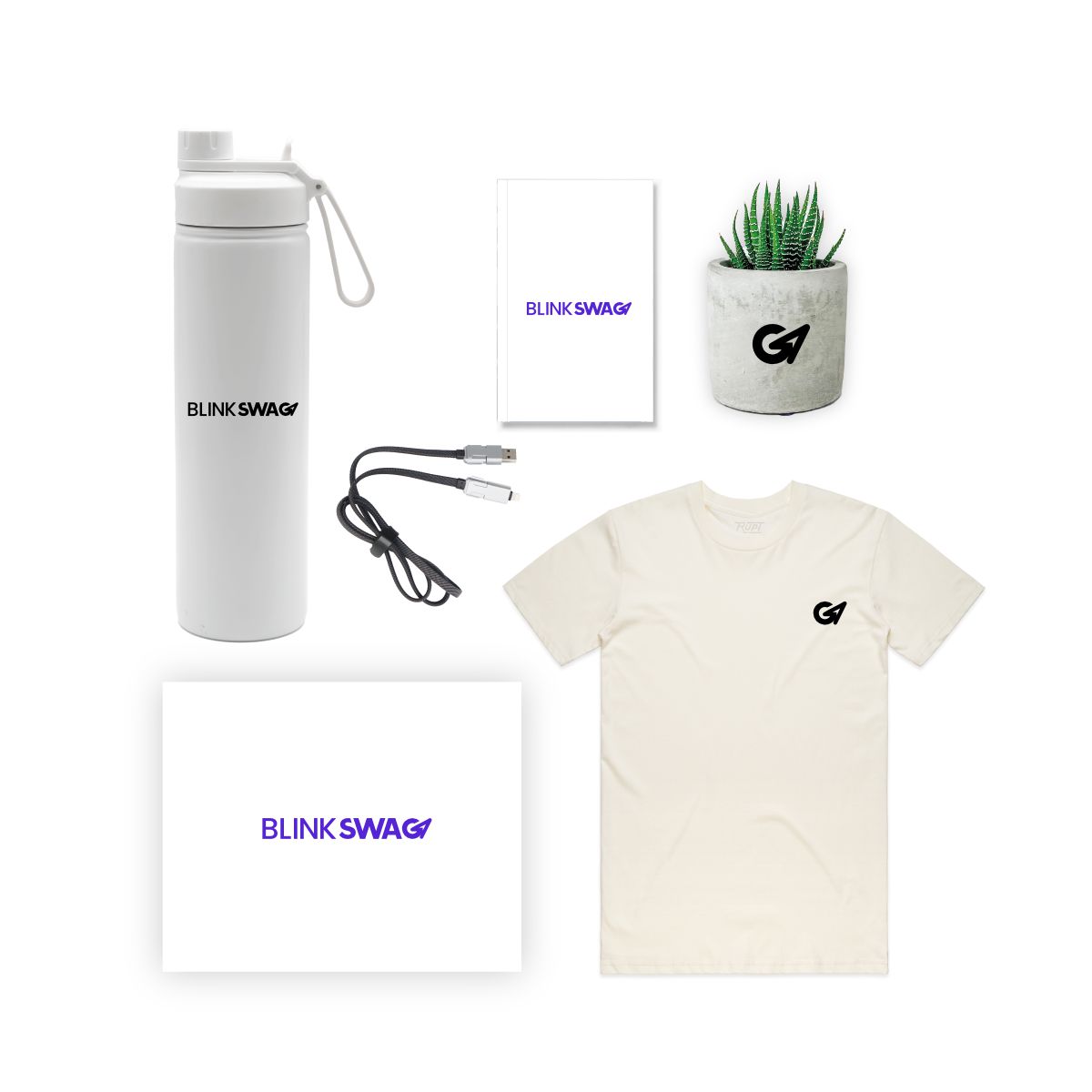
4. Hybrid-Friendly Gifts
Hybrid teams need hybrid thinking.
Gifts that can support both home and office shine here:
- WFH kits that also look good on an office desk
- Drinkware, bags, or tech items that travel easily between locations
- Physical gifts paired with digital experiences, learning, or communities
These items align well with the Christmas/New Year timing because they bridge the gap between “closing out this year” and “starting strong next year.”
5. Cause-Oriented and Charity-Aligned Gifts
For some businesses, the right move is:
“We’re still sending a token gift—but the main impact is going to a cause.”
Options include:
- Compact physical tokens plus a donation in the recipient’s name
- Snack or gift boxes sourced from social enterprises or local small businesses
- Cards explaining how part of the holiday budget supported a specific project
The key is to maintain sincerity and transparency—not performative.





Christmas vs New Year vs “Holiday”: What to Send, and When

Christmas and New Year’s gifting is often treated as a single, blended moment, but you can make your approach more thoughtful—and inclusive—by separating them.
When a Christmas-Focused Gift Fits
A Christmas-specific gift can make sense when:
- Your recipients clearly celebrate Christmas
- You have a long-standing tradition of Christmas gift-giving.
- The culture of the relationship is explicitly Christmas-oriented
These gifts lean into:
- Warmth, comfort, celebration
- Food, drink, shared treats
- Seasonal items that feel right in mid-December
However, always remember your cultural safety check—especially if your team or client list is diverse in terms of religion.
When a New Year-Focused Gift Works Better
New Year gifts often avoid many of the cultural pitfalls Christmas can carry.
They’re perfect when:
- Your audience is mixed—religious, secular, global
- You want to send something that feels forward-looking rather than tied to a specific holiday.
- You view the New Year as an opportunity to discuss plans, growth, and momentum.
Good matches include:
- Journals, planners, and goal-setting kits
- Desk calendars or wall planners with subtle branding
- Productivity or focus-oriented gifts
- Hybrid gifts tied to learning, coaching, or skills
You can even skip Christmas entirely and focus solely on a “New Year, New Chapter” theme.
When to Use Neutral “Holiday” Positioning
Sometimes the safest and most innovative approach is simply:
“Season’s Greetings”
“Happy Holidays”
“Thank you for being part of this year with us.”
This avoids making assumptions about which holidays people observe, while still acknowledging the end-of-year moment.
You can combine messaging:
- Gift ships mid-December
- Card leans on “Holiday” or “End of Year” language.
Any callouts to specific celebrations (such as Christmas or Hanukkah) are optional and tailored to the individual’s preference when you actually know someone’s preference.
Two-Touch Strategy: Christmas + New Year
If your budget allows, consider a simple two-touch sequence:
- December: A warm, comfort-focused holiday gift
- Early January: A lighter, New Year-focused gift around planning, productivity, or wellness
This does three things:
- Spreads your recognition across a longer window
Let’s you use more inclusive language in at least one of the touches. - Keeps your brand present during both the close of one year and the start of the next
Procurement Timeline & Risk Mitigation: The Operational Layer
Even the most brilliant gifting strategy falls apart if everything is rushed and chaotic.
End-of-year gifting has one unforgiving enemy: time.
A simple, realistic timeline can save you from:
- Shipping disasters
- Stock-outs
- Last-minute compromises that ignore your own intelligence framework
Here’s a practical 6–8 week playbook you can adapt.
Week 1: Define, Don’t Buy
- Clarify who you’re gifting to: employees, clients, partners, or specific regions.
- Segment your list into tiers and budget bands.
- Decide whether you’ll use choice-based gifting, standard pre-selected gifts, or hybrid experiences.
- Run a quick cultural and compliance scan over your plan (especially for international or public sector recipients).
This week is about decisions, not purchasing.
Week 2: Lock Partners & Prepare Data
- Select a gifting partner or platform for physical items, choice-based gifting, and any hybrid experiences.
- Finalize budget bands and rough quantities.
- Start gathering or cleaning recipient data:
- Names
- Email addresses
- Shipping addresses
- Any known preferences or restrictions
- Names
If you’re using a choice-based model, this is also when you:
- Define the curated collections per tier
- Approve rough product categories and styles.
Week 3: Approvals & Cultural Safety Check
- Approve mockups or branding placements on gifts and packaging.
- Run your international recipient list through a cultural safety review:
- Flag risky categories for specific countries or regions.
- Swap in safer alternatives where needed
- Flag risky categories for specific countries or regions.
- Decide on messaging language:
- Christmas vs New Year vs neutral holiday wording
- Tone and formality levels for different groups
- Christmas vs New Year vs neutral holiday wording
This is your last safe window to change direction without severe pain.
Week 4: Production & Platform Setup
- Your vendor begins production on physical items, kits, and packaging.
- You or your vendor configure:
- Choice-based portals (if used)
- Budget tiers and product visibility rules
- Personalization options for messages and cards
- Choice-based portals (if used)
Check in on:
- Lead times
- Packaging details
- Any potential stock constraints
Week 5: Shipping and Sending
- Physical gifts begin shipping, or redemption links go out.
- You send coordinated email or Slack/Teams announcements to explain the process:
- What’s coming
- When it should arrive
- What to do if there’s an issue
- What’s coming
If you’re using hybrid gifts, this is also when:
- Event invites are sent
- Calendars hold dates for shared experiences.
Week 6–8: Delivery, Follow-Up, and New Year Touches
- Confirm delivery where possible—especially for high-value recipients.
- Handle any address issues or mis-shipments quickly.
- If you’re doing a two-touch strategy, prepare and send your New Year’s gift in early January.
- Launch a very short post-gift survey to gather feedback and ideas for next year.
Having this rhythm means you’re not reinventing the process every December.
You’re just updating tiers, budgets, and products inside a stable system.
Measuring Impact: Beyond “Nice to Have”
Gifts are emotional, but that doesn’t mean they’re immeasurable.
Once you start treating Christmas and New Year gifting as a program, not a one-off, there are several signals you can watch.
Simple Metrics That Actually Help
You don’t need a complex dashboard to get started. Begin with:
- Redemption rate (for choice-based gifts):
- How many people actually claimed a gift, and how quickly did they do so?
- How many people actually claimed a gift, and how quickly did they do so?
- Delivery success:
- Did gifts arrive on time and in the right place?
- Did gifts arrive on time and in the right place?
- Satisfaction signals:
- Brief post-gift surveys
- Thank-you replies
- Informal comments in team chats or meetings
- Brief post-gift surveys
For clients and partners, track:
- Whether the gift sparked follow-up conversations
- Whether people replied and engaged with your team afterwards
- Whether the gift is tied to invitations, meetings, or check-ins in January
A Lightweight Post-Gift Survey Template
For employees or internal teams, you can keep it very simple:
- “Did your holiday gift arrive on time?”
- Yes / No
- Yes / No
- “How well did your gift match your preferences?”
- Perfect fit
- Pretty close
- Not really my style
- Perfect fit
- “What would you love to see in next year’s holiday gifts?”
- Short free-text field
- Short free-text field
You’re not collecting data for the sake of a report. You’re creating a feedback loop you can feed straight back into your choice-based collections and tiers next year.
How a Platform Helps You See the Full Picture
When your gifting is wired into a platform rather than scattered across spreadsheets, you can see:
- Redemption rates by department, region, or tier
- Which categories (tech, wellness, food, hybrid) are chosen most often
- How many gifts are delayed, returned, or unclaimed
- Which parts of your list might need more attention next year?
That turns Christmas and New Year gifting from “one more thing to manage” into a living dataset about preferences and engagement.
BlinkSwag’s Christmas & New Year Intelligence Suite
All of this sounds great in theory—until you’re juggling hundreds of names, dozens of countries, and a December calendar that never seems to have enough days.
That’s where having a structured gifting partner matters.
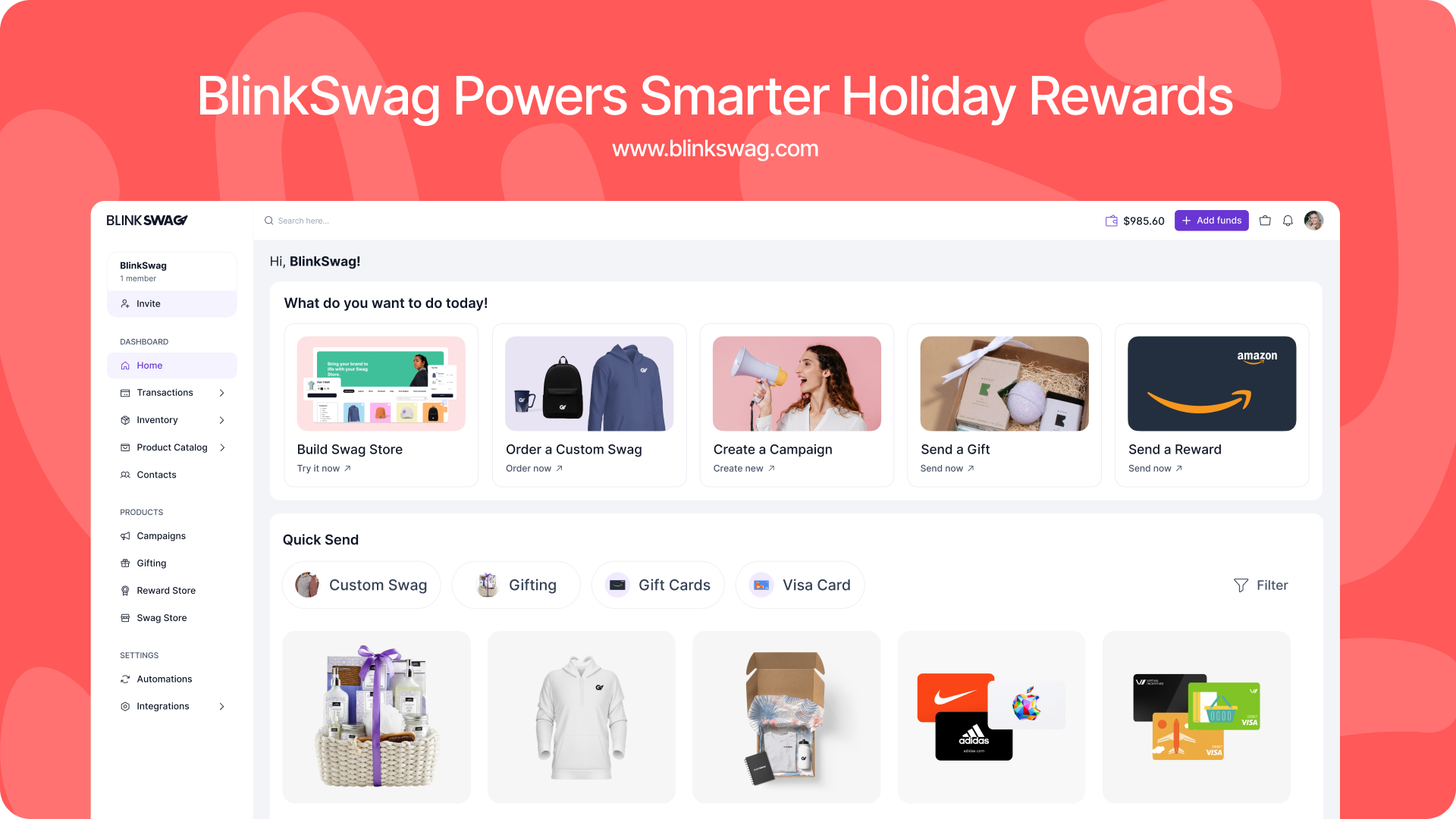
A platform like BlinkSwag can support your Christmas and New Year campaigns across all three intelligence layers:
Choice-Based Gifting
- Curated collections matched to your budget tiers
- Recipient portals that let people pick their gift within your rules
- Built-in handling for sizes, colors, and variations
Address capture and verification so you’re not chasing details manually
Cultural & Compliance Safety
- A simple review step where your gift list is checked for common cultural and regional risks
- Suggested alternatives when a particular item doesn’t fit a specific country or recipient type
- Guidance on safe defaults for mixed or global teams
Hybrid & Experience-Ready Gifts
- Event-in-a-box style kits that pair physical items with shared virtual experiences
- Support for QR codes or cards that lead to digital experiences, subscriptions, or internal landing pages
- Kitting and packaging that makes the unboxing moment feel considered, not chaotic
Fulfillment & Reporting
- Individual shipping for remote and global teams
- Bulk shipping where it makes sense (for central offices or events)
- Basic analytics around redemption, choices, and delivery
- A clearer picture of what should stay, change, or grow in next year’s program
The goal isn’t just “Get gifts out the door.”
The goal is de-risked, data-informed gifting that you don’t have to rebuild from scratch each December.
Frequently Asked Questions
Should we use a choice-based platform or just pre-select one gift?
For tiny teams where you know people well, a single carefully chosen gift can feel personal and thoughtful.
Once your list exceeds 20–30 people—especially if they’re remote or international—choice-based gifting typically yields better results, fewer returns, and less second-guessing. It allows you to maintain a clear budget while entrusting actual preference decisions to the individuals receiving the gifts.
How can we avoid cultural mistakes with international corporate gifts?
Run every decision through three simple checks:
- Beliefs and restrictions (alcohol, pork, beef, certain animal products)
- Regional symbolism (numbers, colors, and particular objects)
- Legal and policy limits (public sector rules, corporate gift caps)
When in doubt, lean toward globally safe categories, such as tech accessories, neutral snacks, tea/coffee sets, and experience or donation options. And if you’re sending at scale, have someone—internally or externally—review your list with cultural sensitivity in mind.
What’s a reasonable budget for Christmas and New Year gifts in 2025–2026?
Many companies allocate a budget of $25–$50 per employee, with increases to $75–$150 for key client accounts or managers, and reserve $100 or more for executives or strategic partners.
The key is to be consistent within each tier, apply your intelligence framework, and avoid stretching budgets so thin that gifts feel like an afterthought.
What’s the best way to handle remote teams spread across multiple countries?
Remote and global teams are where choice-based gifting and hybrid experiences shine.
Let people:
- Choose their own gift from a curated collection
- Enter their shipping details directly.
- Join shared virtual experiences from wherever they are
You avoid customs headaches, wrong sizes, and culturally awkward items while still creating shared moments.
Are hybrid (gift + experience) options really worth the extra cost?
For relationships that matter—such as remote teams, managers, and strategic clients—hybrid gifting tends to deliver a more emotional impact than sending a single object.
You’re not just sending an item; you’re sponsoring a memory: a class, an event, a shared moment. If your budget allows, it’s often better to take a hybrid approach for a select group of people who matter a great deal, rather than spreading basic items too thinly.
When should we start planning corporate holiday gifts?
If you want branded, thoughtful, and culturally aware gifts to arrive before Christmas or early in the New Year, early November is a sensible starting point.
That gives you enough time to:
- Decide on strategy and tiers
- Run cultural and compliance checks.
- Handle production and shipping.
- Fix any surprises before everyone disappears on vacation.
Last-minute gifting is possible—but it usually means limited options, rushed execution, and more risk.
From Guessing to Intelligence-Led Gifting
End-of-year gifting used to be a scramble: someone picks a product, procurement pushes it through, boxes show up, and everyone hopes for the best.
That approach is still common. It’s also risky.
One insensitive gift can bruise a relationship you’ve spent months building. One thoughtless employee gift can quietly reinforce the idea that people are interchangeable. One non-compliant gift to the wrong recipient can trigger questions you do not want.
A better way is available.
When you build your Christmas and New Year gifting around:
- Choice – letting people pick inside smart boundaries
- Culture & compliance – avoiding avoidable harm
- Hybrid experiences – turning objects into shared moments
…you stop gambling and start running a system.
That system doesn’t need to be complicated. It just needs to be intentional:
- Clear tiers and budgets
- A path for recipients to choose
- A safety net for culture and compliance
- A feedback loop you can use to improve next year
The companies that will stand out in 2026 won’t necessarily be the ones spending the most. They’ll be the ones whose gifts show that they understand the people receiving them.
If you’re ready to move from guessing to intelligence-led gifting, this holiday season is the right moment to start.
You don’t have to rebuild the whole thing on your own.
You just have to decide:
“We’re done rolling the dice on gifts. From now on, we’ll treat them like the relationship tools they really are.”